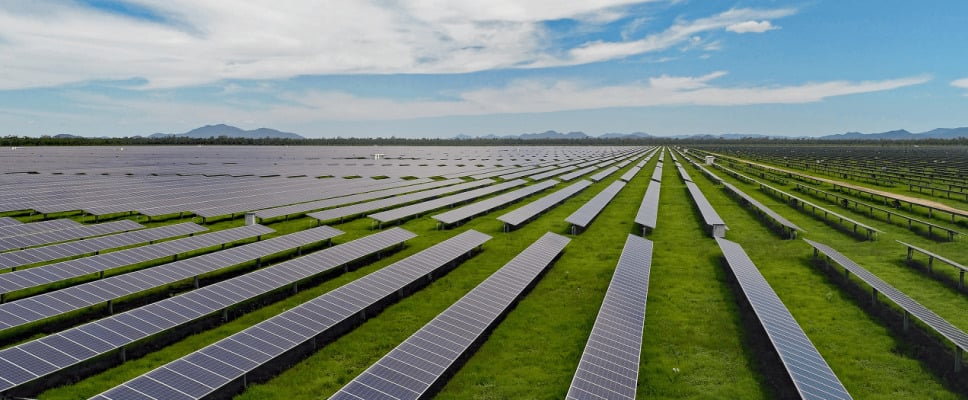
Australia's utility-scale solar PV and wind assets generated a combined 4.6TWh in May 2026, up 10% from 4.2TWh recorded in May 2025
Why it matters: Australia's growth proves that without storage, you're just cannibalizing your own margins—stop pitching solar-only projects before the market leaves you behind.
When Rystad reports a 10% YoY jump in Australian renewables, your first thought shouldn't be "bravo," it should be "how's the curtailment?" Australia is the world’s most advanced laboratory for what happens when solar penetration outpaces grid upgrades. For a developer in Spain, the Netherlands, or Poland, this 10% surge is a preview of the "Cannibalization Cliff."
The Cannibalization Cliff
In Australia, we’re seeing utility-scale assets frequently sidelined by negative pricing. This isn't just an Aussie quirk; it's the inevitable endgame for the European "solar-only" model. If you’re still pitching pure PV in 2024, you’re selling a product that will be economically obsolete before the first inverter swap. We are seeing a shift where companies like Neoen and CEP.Energy are pivoting hard toward four-hour BESS durations just to keep their projects bankable.
The lesson for the European C&I sector is clear: The "Solar Multiplier" era is over. You can no longer assume a linear relationship between installed capacity and revenue. As Australia’s figures show, the volume is there, but the value is migrating from the panels to the software and the cells. If your business model doesn't involve energy management systems (EMS) and hardware like Tesla Megapacks or Sungrow PowerTitan series that can arbitrage these price swings, your 20-year ROI projections are nothing more than creative fiction.