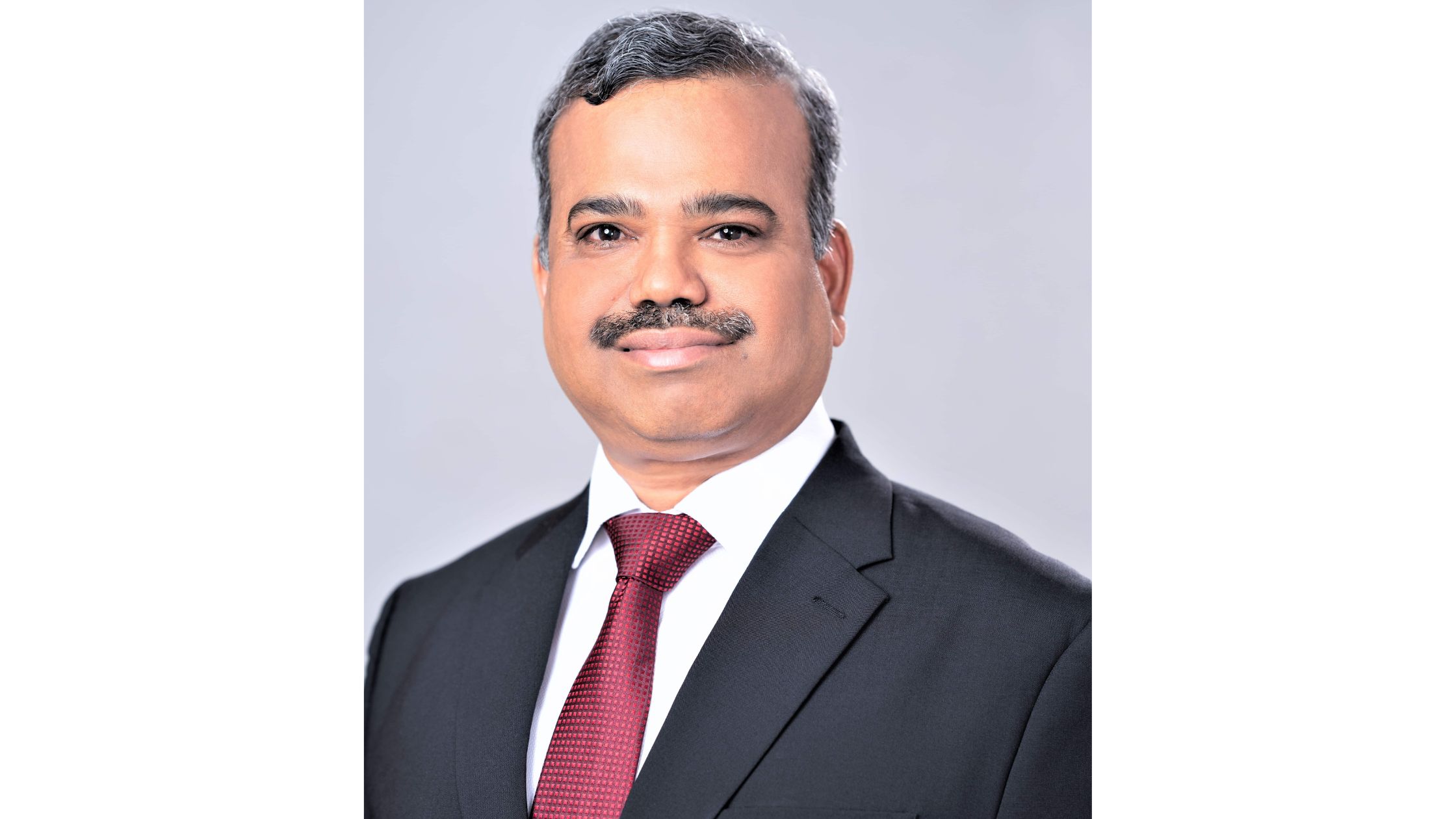
The Government of India has appointed V. Packirisamy as Director (Commercial) at Power Finance Corporation, effective June 2, 2026.
Why it matters: India’s aggressive financing of mega-scale PV means tighter global module supply and less leverage for European installers during price negotiations.
On the surface, the appointment of a new Commercial Director at an Indian state-owned lender seems like a local administrative footnote. If you’re an installer in Essen or a developer in Seville, you probably didn’t have Power Finance Corporation (PFC) on your bingo card today. But ignoring the mechanics of Indian energy finance is a mistake in a globalized supply chain.
The Global Siphon Effect
India is currently the primary rival to Europe for Chinese module capacity. While the EU is bogged down in bureaucratic red tape and fluctuating interest rates, PFC is a massive liquidity tap for 100MW+ projects. With Packirisamy—a 30-year veteran of credit appraisal—taking the commercial helm, we should expect PFC to accelerate the deployment of debt for India's 500GW renewable target. When India’s debt machine runs smoothly, it siphons off the same JinkoSolar and JA Solar TOPCon modules that European wholesalers rely on to keep prices low. If PFC de-risks Indian mega-projects, the 'oversupply' currently sitting in Rotterdam warehouses will evaporate faster than you think.
A Lesson in State-Backed Scale
Unlike the fragmented commercial banking landscape in the EU, where a 50MW project might require a complex consortium, PFC acts as a specialized powerhouse. For European professionals, this is a signal of where the global 'center of gravity' for solar capital is shifting. While we debate the nuances of the Net Zero Industry Act (NZIA), India is installing leaders who know how to move billions into the ground. If you are planning a large-scale procurement for 2027, watch PFC’s quarterly disbursement reports. A spike in their commercial lending is a leading indicator of a tightening global module market and rising EPC costs in Europe.