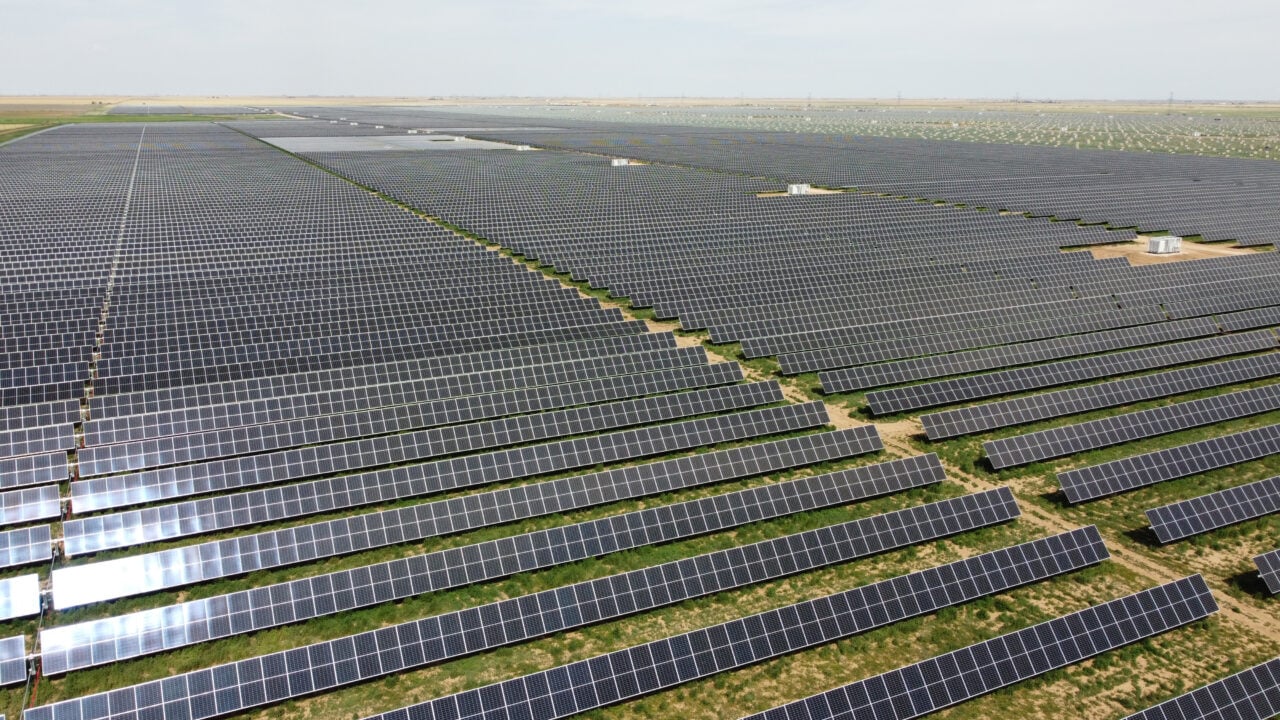
US independent power producer (IPP) Vesper Energy has secured US$236 million in debt financing to back a 201MW solar PV project in Texas.
Why it matters: Global capital is flowing to high-velocity US markets like Texas, leaving slow-moving European projects to fight for more expensive, localized financing.
The Brutal Math of Geographic Arbitrage
Let’s look at the numbers: $236 million in debt for 201MW. That puts the debt portion alone at roughly $1.17 million per megawatt. For a utility-scale project in the ERCOT (Texas) market, that’s a clean, aggressive vote of confidence from lenders. But if you’re a developer in Germany or Poland reading this, don’t get jealous of the cash—get jealous of the speed. Capital is a coward; it goes where it can see the finish line. While we in Europe are wrestling with the Net-Zero Industry Act and waiting 36 months for a grid connection in the Netherlands, Vesper is moving at a pace we haven't seen since the early Feed-in-Tariff glory days.
Why Texas Eats Europe’s Lunch
The real story isn't the dollar amount; it's the velocity of capital. In Texas, the 'Right to Connect' is a functional reality, whereas in most of the EU, the grid queue is where IRR goes to die. If you’re an EPC or a project developer in Spain, your 200MW project is likely burdened by 'environmental compensation' costs and local opposition that can add 15-20% to your soft costs. Vesper’s project benefits from the Inflation Reduction Act (IRA) tax credit transferability—a mechanism far more elegant and liquid than the cumbersome grant applications we see from the European Commission.
The Margin Squeeze for EU Installers
We are competing for the same global pool of capital. Banks like Santander, Nord/LB, and Rabobank—all active in EU solar—are looking at these Texas deals and wondering why they should bother with the bureaucratic 'Permitting Hydra' in Italy or France. To stay competitive, European developers must stop selling 'green energy' and start selling 'certainty.' If you can’t guarantee a COD (Commercial Operation Date) because of a DNO delay, you’re not just losing time; you’re losing the interest of the very lenders who just handed Vesper a quarter-billion dollars. We need to stop obsessing over module prices—which are at record lows anyway—and start obsessing over the €/MWh cost of bureaucracy, which is currently our biggest line item.