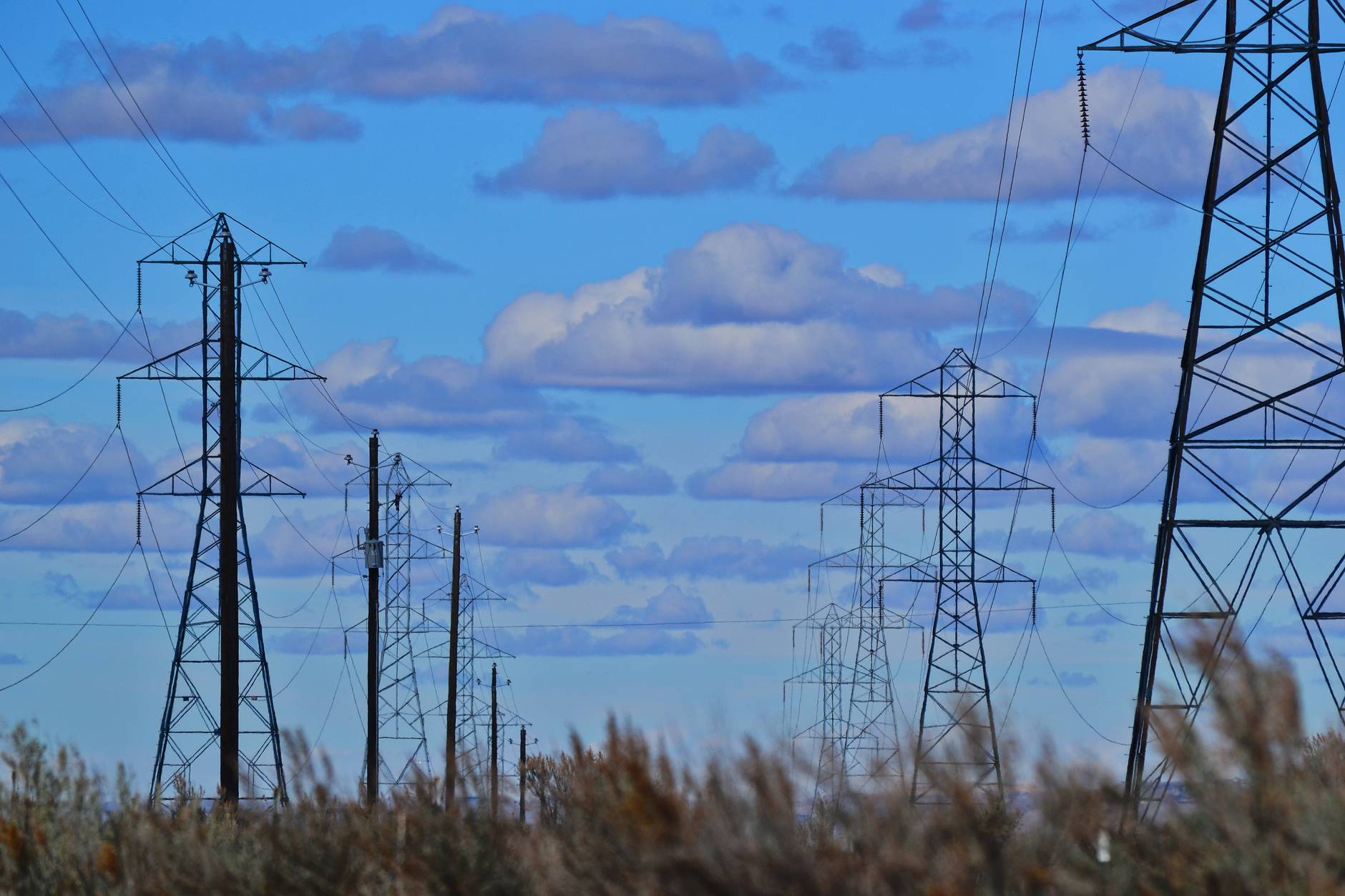
The Department of Energy (DOE) of the Philippines assures that the power supply remains stable despite challenges in the Visayas region, where outages have significantly impacted supply.
Why it matters: Grid instability isn't a failure for the PV industry; it's a high-margin opportunity for those selling resilience and high-end energy management.
The Resilience Premium is Real
When the Philippine DOE uses words like 'stable despite challenges,' any experienced field engineer knows the translation: the grid is on life support. For the European solar professional, this isn't just a distant news snippet from the tropics; it’s a masterclass in the Resilience Premium. In mature markets like Germany or the Netherlands, we often sell solar on LCOE and ESG credentials. In the Visayas, you sell it on one question: 'Can I keep my cold storage running at 2 PM?'
If you are an EPC in Spain or Greece working on islanded systems, the Philippines is your crystal ball. The DOE's mention of 'long-term infrastructure' is a slow-moving bureaucratic ship. In the interim, the gap will be filled by C&I players who realize that €140/MWh for solar+storage is a bargain when the alternative is a dark factory. We've seen this pattern in the South African market—once the grid goes 'unstable,' the market for high-end European energy management systems (EMS) like those from Schneider Electric or Victron explodes because the cost of downtime dwarfs the CAPEX of a battery.