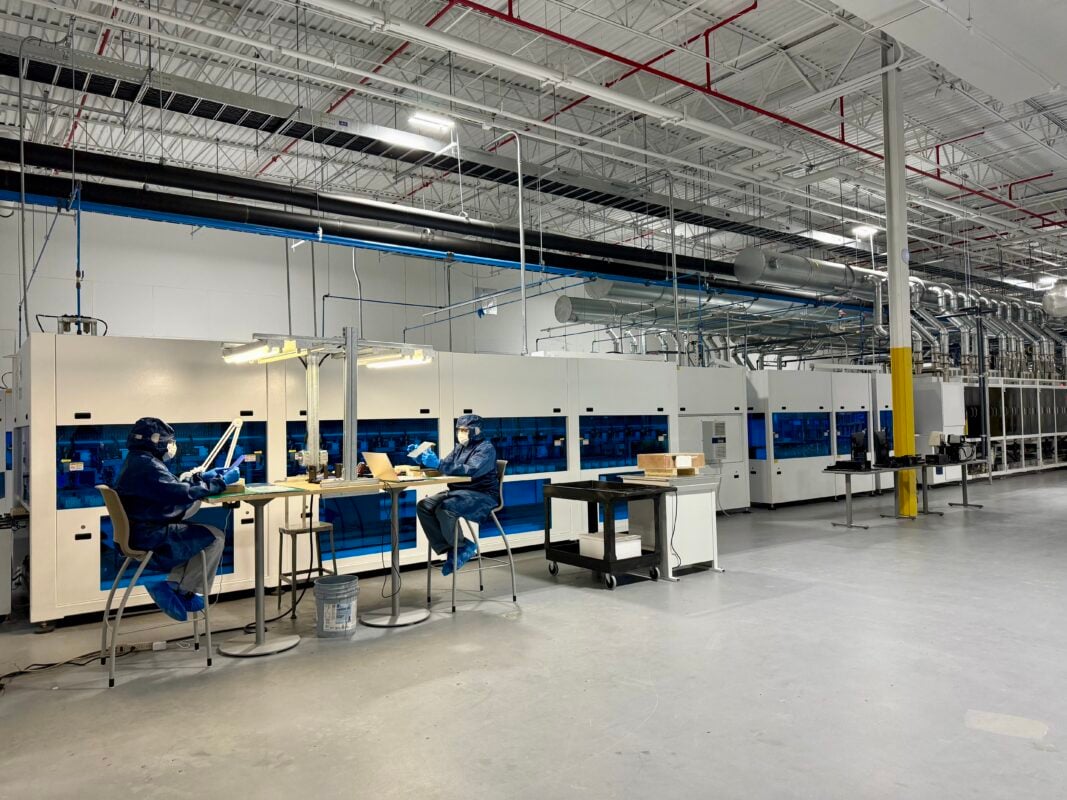
With 66GW of module capacity chasing just 11GW of domestic cells, the supply chain crunch is reaching a critical inflection point.
Why it matters: The US cell shortage will force their manufacturers to cannibalize the global supply of non-Chinese cells, driving up prices for your 'ESG-compliant' European projects.
We are watching a slow-motion train wreck in the US that should give every European developer nightmares. The IRA (Inflation Reduction Act) promised a domestic manufacturing renaissance, but what we’re actually seeing is a massive build-out of 'screwdriver factories'—plants that essentially just glue components together. A 55GW shortfall in domestic cells isn't just a localized American headache; it is a global procurement threat for anyone trying to source non-Chinese hardware.
The 'Screwdriver' Trap
It is significantly easier and cheaper to set up a module assembly line than it is to stand up a high-efficiency N-type cell facility. The US has rushed the easy part. For installers in Germany or the Netherlands, this means the US market is about to become a vacuum. When these 66GW of US factories realize they can’t meet 'Domestic Content' requirements because of the cell gap, they will pivot to outbidding European buyers for every available cell from Southeast Asia or India. If you think your 50MW project in Spain has priority over a US developer backed by a 30% tax credit, think again.
The Money Angle: If you are quoting C&I projects for 2026 based on non-Chinese supply chains, you need to bake in a 15-20% 'US Competition' premium. The Americans are coming for your supply chain, and they have deeper pockets thanks to Uncle Sam.