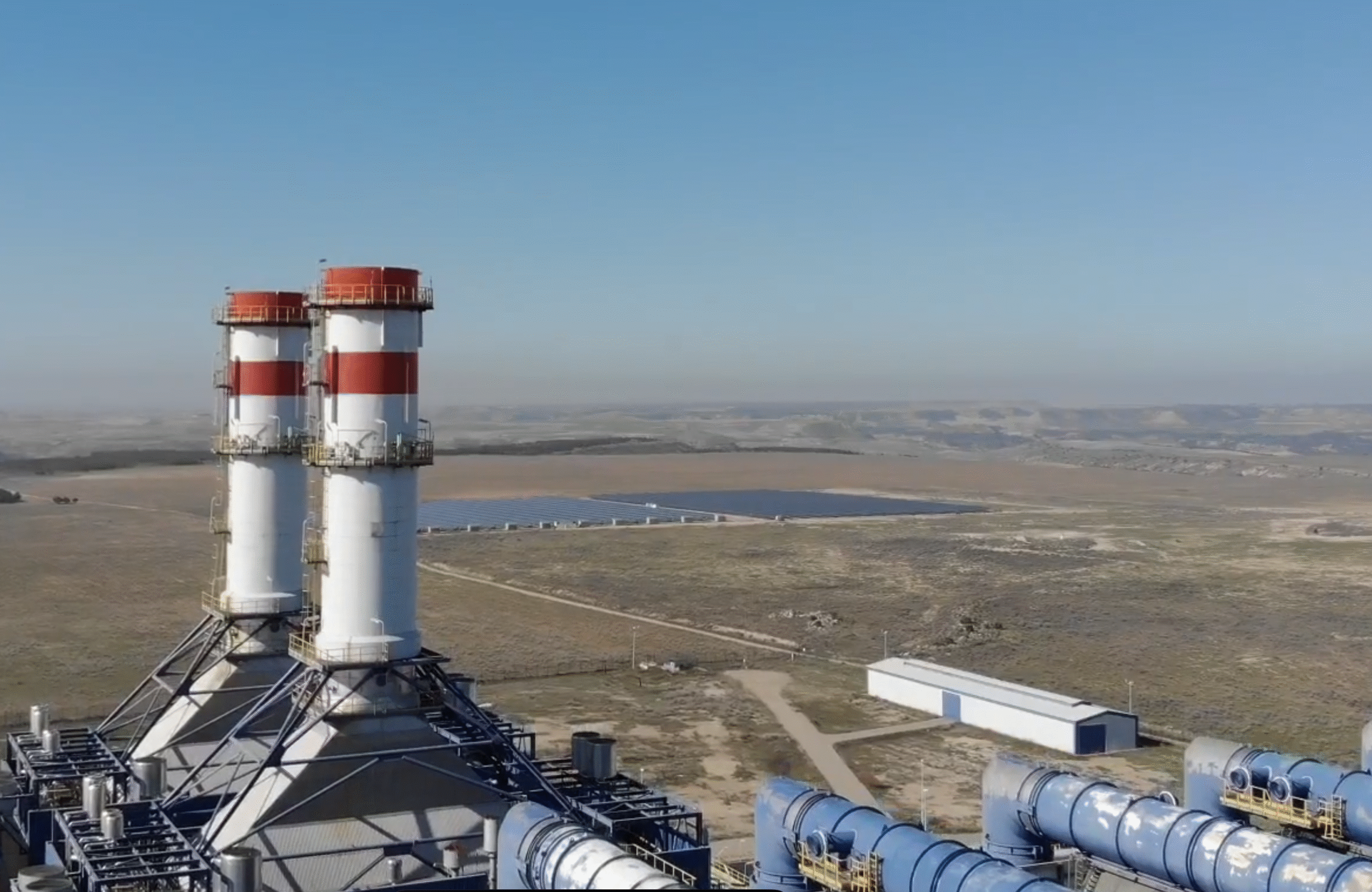
En 2025, la energética obtuvo autorización ambiental para la futura hibridación de la central con la planta fotovoltaica Saurus, una actuación que supondrá una inversión cercana a los 100 millones de euros.
Why it matters: The 'easy' land for solar in Spain is gone; the next phase of the market belongs to those who can hybridize existing fossil fuel or wind assets to bypass grid queues.
While small-scale installers are fighting over rooftop permits, Engie is executing a masterclass in infrastructure arbitrage. By bolting 137 MW of solar onto their existing Combined Cycle Gas Turbine (CCGT) plant in Teruel, they aren't just adding capacity; they are hacking the Spanish grid's biggest bottleneck: Acceso y Conexión.
The Grid Access Cheat Code
In the current Spanish market, securing a new 100MW+ connection point is like winning the lottery while being struck by lightning. By hybridizing, Engie utilizes the existing evacuation infrastructure of the Teruel gas plant. This bypasses years of administrative gridlock and substantially lowers the Levelized Cost of Storage (LCOS) and Energy (LCOE) compared to a greenfield site 50km away that requires new high-voltage lines. If you're a developer wondering why your 20MW project is stalled in the permit phase, this is your answer: the big boys are building on top of their old footprints.
The €0.73/Wp Efficiency Gap
The €100 million price tag for 137 MW sounds steep—nearly €730,000 per megawatt—at a time when module prices are cratering. However, this isn't just about glass and aluminum. Engie is pricing in the strategic value of the Teruel 'Just Transition' zone. They are effectively future-proofing a gas asset that would otherwise face increasing carbon penalties and reduced run-times. For installers and EPCs, this signals a shift: the most lucrative future contracts won't be in open fields, but in complex brownfield 're-powering' or hybridization projects where integration expertise beats low-margin module tossing.
The Cannibalization Defense
By pairing solar with gas, Engie can manage the 'duck curve' of the Iberian market more effectively than a standalone PV farm. They can throttle the gas during the midday solar peak and ramp up when the sun goes down, protecting their overall margins from the zero-euro price hours that are becoming a plague in Spain. If you are selling solar-only PPAs in Teruel or Aragon right now, you are officially competing with a hybrid monster that has zero grid-acquisition costs.