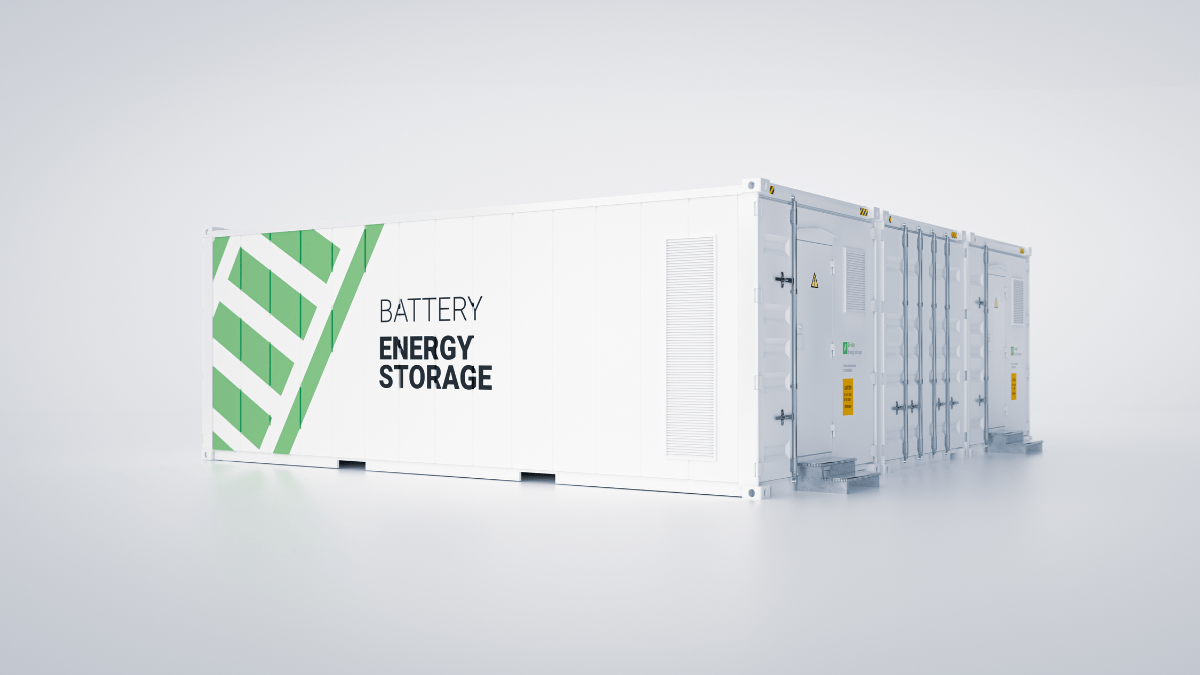
Ganesh Green Bharat Limited (GGBL) has been awarded a 1,000 MWh Battery Energy Storage System EPC project by NTPC Renewable Energy Limited.
Why it matters: Global BESS is hitting GWh scale, turning storage into a low-margin commodity business faster than your current business model can adapt.
While European developers celebrate 20 MWh "flagship" projects in the Ruhr valley or the UK Midlands, India is casually dropping 1,000 MWh (1 GWh) single-EPC orders. This isn't just another press release; it’s a signal that the scale of BESS deployment has officially shifted from "bespoke engineering" to "industrial commodity." If your firm is still treating storage as a high-margin specialty add-on, your lunch is about to be eaten by firms like Ganesh Green Bharat that are mastering the art of the gigawatt-hour.
The Industrialization of the Battery Rack
A 1 GWh project is roughly equivalent to 4,000 shipping containers worth of LFP cells. Managing that logistics chain requires a balance sheet and a procurement department that most European installers simply don't possess. We’ve seen this movie before with PV modules in 2012: the market shifts from 50 kW rooftop installers to 100 MW utility players, and the mid-market gets hollowed out. In Europe, the Net Zero Industry Act aims to keep some of this local, but the sheer velocity of Indian deployment is driving down the global price of balance-of-system (BOS) components at a rate EU manufacturers will struggle to match.
The Revenue Trap
Look at the numbers: GGBL is sitting on a ₹2,212 crore (€245 million) order book. For a European EPC, that’s a healthy pipeline. But the margin on a 1 GWh project is razor-thin. They aren't selling "green energy solutions"; they are selling logistical excellence and risk management. If you are a project developer in Spain or Poland, the arrival of these mega-scale EPCs in the global tender market means your "local expertise" premium is evaporating. You need to stop selling battery capacity and start selling Energy Management System (EMS) integration, because the hardware and the physical installation are becoming a race to the bottom.
Advice for the EU Mid-Market: