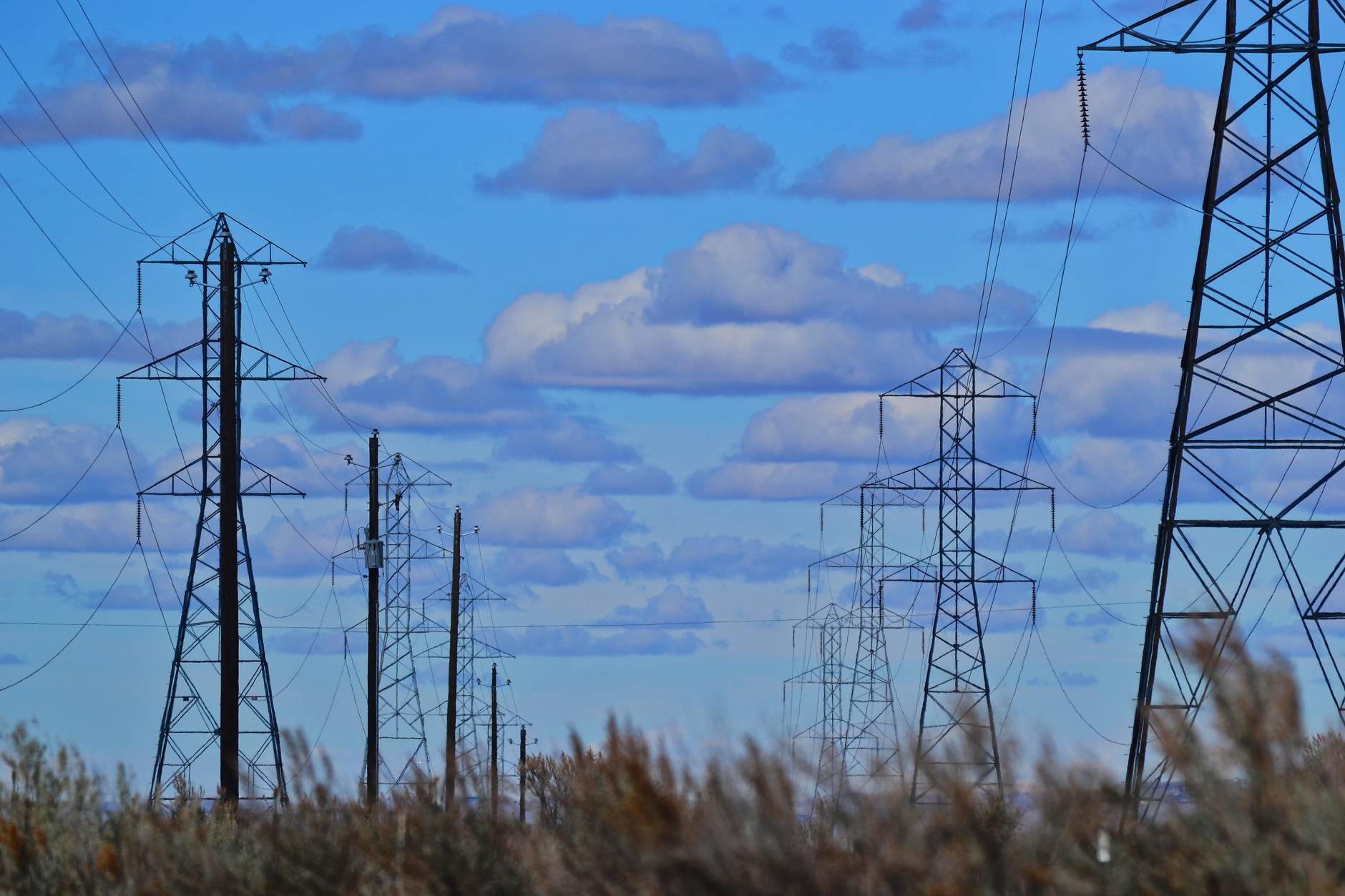
Lumino Industries Limited has won a major power infrastructure project in Assam, bidding ₹176.14 crore to construct a 220/132KV AIS substation and associated transmission lines.
Why it matters: Grid congestion is the #1 killer of European solar projects; understanding where global EPC resources are flowing helps you anticipate component delays.
On the surface, a ₹176 crore (€19.5 million) substation in Assam seems like a local affair. But for those of us in the EU watching project lead times for high-voltage equipment stretch into 2027, this is a signal of why your local utility is dragging its feet. While European developers are fighting for every hectare to build compact Gas Insulated Switchgear (GIS), India is aggressively rolling out Air Insulated Switchgear (AIS) like this Morigaon project because they have the space and the need for speed.
The Global Component Drain
Lumino’s win highlights a massive regional push that is sucking up global manufacturing capacity. Companies like Siemens Energy and Hitachi Energy are looking at these high-volume, state-backed tenders in emerging markets and prioritizing them over smaller, fragmented European C&I orders. If you are a developer in Poland or Romania waiting on 132KV-level kit, you aren't just competing with your neighbor; you're competing with the Assam Electricity Grid Corporation (AEGCL).
A Lesson in Cost and Scale
At roughly €20 million for a 220/132KV hub plus transmission lines, the price point here is a stark reminder of how expensive European labor and permitting have become. We’ve seen similar 220KV substation builds in Germany or the Netherlands cost 2x to 3x this amount when accounting for environmental mitigation and specialized engineering. The takeaway: The global supply chain for grid-critical components is currently being dictated by massive infrastructure build-outs in India and China. If you aren't locking in your transformer and switchgear suppliers at the pre-permit stage of your solar farm, you're effectively gambling on a losing hand.