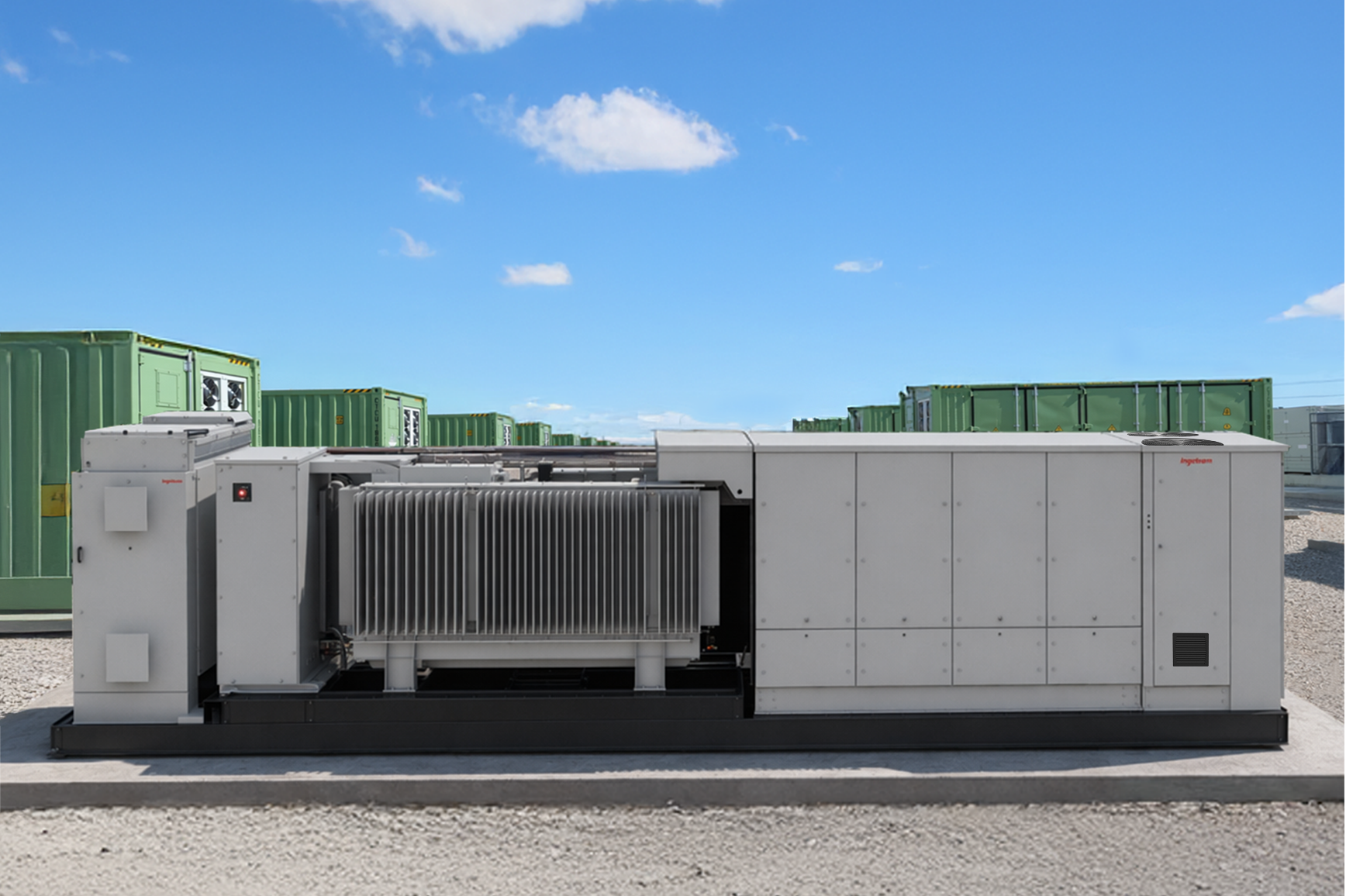
La plataforma está disponible en cuatro configuraciones: 3400 FSK M, 4500 FSK M, 6800 FSK M y 9000 FSK M; con potencias de carga y descarga de 3,4 MW, 4,5 MW, 6,8 MW y 9,1 MW.
Why it matters: Grid-forming is no longer a luxury; if your BESS doesn't stabilize the frequency, your local TSO will eventually block your grid connection.
The End of the 'Dumb' Battery Era
If you’re still pitching utility-scale storage projects that simply 'shift energy,' you’re already obsolete. Ingeteam’s release of the FSK M series, topping out at a massive 9.1 MVA, isn't just about raw power; it’s a direct response to the tightening screw of ENTSO-E Requirements for Generators (RfG). In markets like Spain and Italy, where the grid is becoming increasingly saturated with non-synchronous generation, 'grid-forming' capability is transitioning from a premium add-on to a non-negotiable permit requirement.
Why Modular Wins the Capex War
I’ve walked enough sites in the Alentejo and Puglia to know that 'one-size-fits-all' containers are a logistical nightmare. Ingeteam is moving toward a modular power block strategy that mirrors what we’ve seen in the string inverter space, but at a utility scale. Here is why the 9000 FSK M matters for your next 50MW+ project:
The Synthetic Inertia Factor
The real 'secret sauce' here is the grid-forming software. As we retire thermal plants across the EU, the grid loses physical inertia. Ingeteam is betting that TSOs will soon pay a premium for synthetic inertia and black-start capabilities. If you are building a BESS today without these features, you are leaving future ancillary service revenue on the table. A 9.1 MVA block with these specs isn't just a battery; it's a virtual synchronous machine that can bail out a weak local substation when the wind stops blowing.