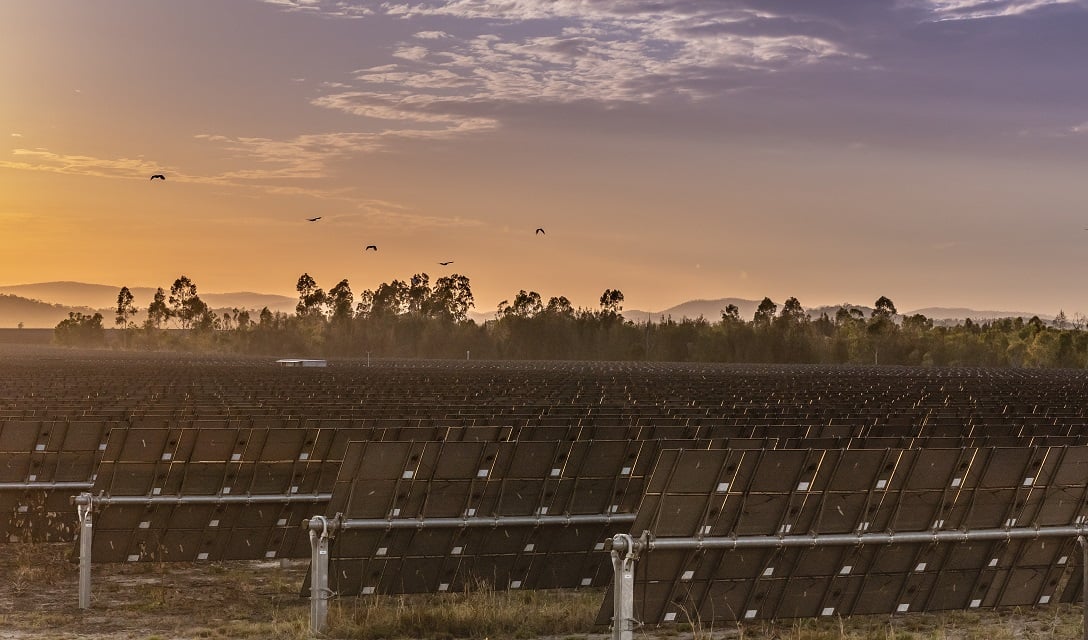
Queensland has opened a formal call for proposals under the state government’s AU$200 million North West Energy Fund in Australia.
Why it matters: Heavy industry is moving off-grid to survive energy price volatility—learn the microgrid tech stack now or get sidelined by specialized industrial integrators.
Stop looking at Australia as a distant desert and start seeing it as the world’s most aggressive laboratory for industrial islanding. This AU$200 million (€122 million) fund isn't about slapping panels on houses; it’s about decarbonizing the most energy-intensive, remote, and grid-unfriendly operations on the planet: mining. For European developers, this is the precursor to what we are about to see in the Nordic mining belts and the lithium-rich regions of Portugal and Spain.
The End of the 'Grid-First' Mentality
In the North West Minerals Province, the grid is either non-existent or fragile. The Queensland government is essentially subsidizing the proof-of-concept for multi-megawatt microgrids. We’ve seen this pattern before: Australia de-risks the tech stack, and two years later, it becomes the bankable standard for C&I projects in the EU. If you are a project developer in Germany or Poland, pay attention to the ratio of storage to PV in these winning bids. We are moving past the 1:1 ratio into deep-storage territory (4-8 hours) to handle heavy industrial loads 24/7.
Mining the EU Opportunity
Why does this matter in Brussels? Because the EU’s Critical Raw Materials Act is pushing for domestic mining of lithium, copper, and rare earths. Companies like LKAB in Sweden or developers in the Iberian Pyrite Belt cannot rely on the aging European grid to handle the massive surges required for ore processing. They will need the same PV-plus-BESS blueprints currently being funded in Queensland. When a mining CEO asks you how to replace 50MW of diesel baseload with solar, you shouldn't be guessing; you should be pointing at the Queensland results.