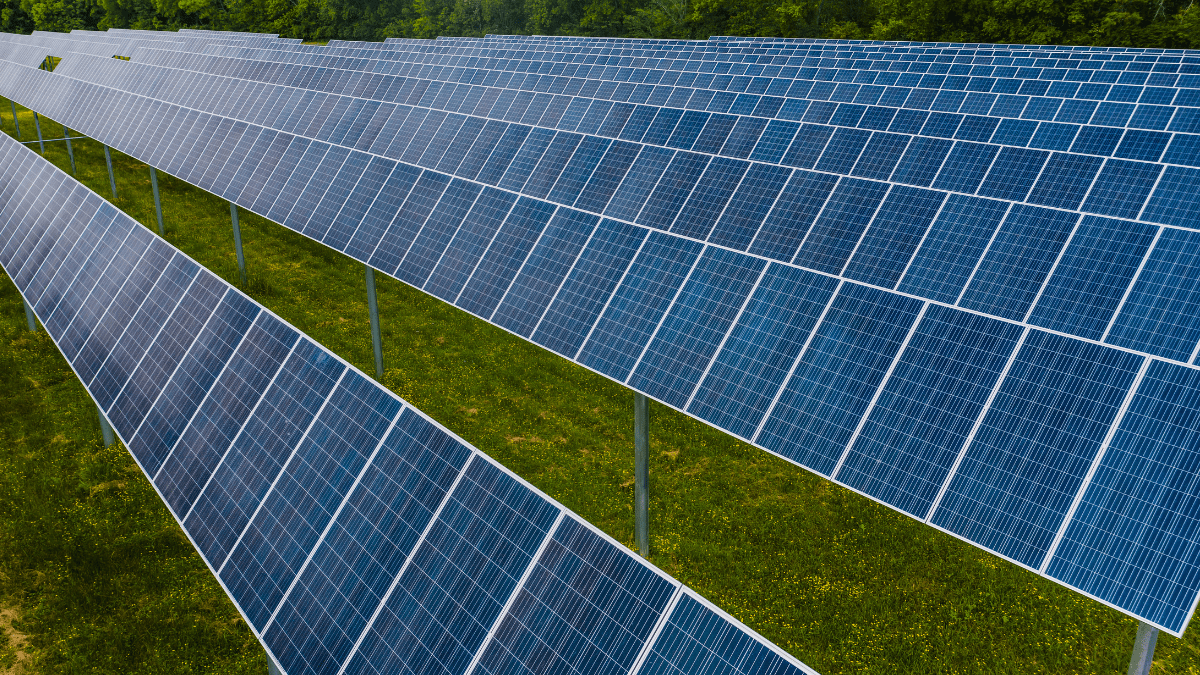
Red Sea Global has received validation from DNV for avoiding 117,879 tonnes of carbon dioxide emissions in 2024 through its renewable energy initiatives.
Why it matters: As EU grid queues lengthen, the Red Sea’s success proves that massive off-grid BESS isn't a desert fantasy—it’s the future of high-margin European C&I sales.
Don’t let the PR-friendly “equivalent to 27,500 cars” fluff distract you. The real story here isn't the carbon; it’s the formal validation of the world’s largest off-grid renewable energy system. When DNV (Det Norske Veritas) signs off on these numbers, they aren't just auditing a spreadsheet—they’re confirming that a massive 1.3 GWh battery storage installation is successfully powering an entire luxury economy without a grid umbilical cord.
The "Island" Strategy for European Commercial Projects
For installers in the Netherlands or Germany currently facing five-year wait times for grid reinforcement, the Red Sea project is a blueprint, not a desert mirage. We are rapidly moving from a "grid-tied with backup" mentality to "autonomous by design." If you’re pitching a logistics hub in the Port of Rotterdam or a manufacturing plant in Brandenburg, the conversation has shifted. It’s no longer about Feed-in Tariffs; it’s about avoiding the €100k+ per MW grid connection fees and the crushing uncertainty of curtailment.
The Bottom Line: Red Sea Global isn't doing this for the environment alone; they're doing it because the logistics of diesel at that scale is a margin killer. In Europe, carbon taxes and grid congestion are creating the same economic pressure. Stop selling "green panels" and start selling "energy sovereignty."