Array Technologies has announced an update to its Array OmniTrack trackers, which can now rotate by up to two degrees.
Why it matters: Stop paying for excavators and start bidding on the 'unbuildable' hillsides your competitors are ignoring.
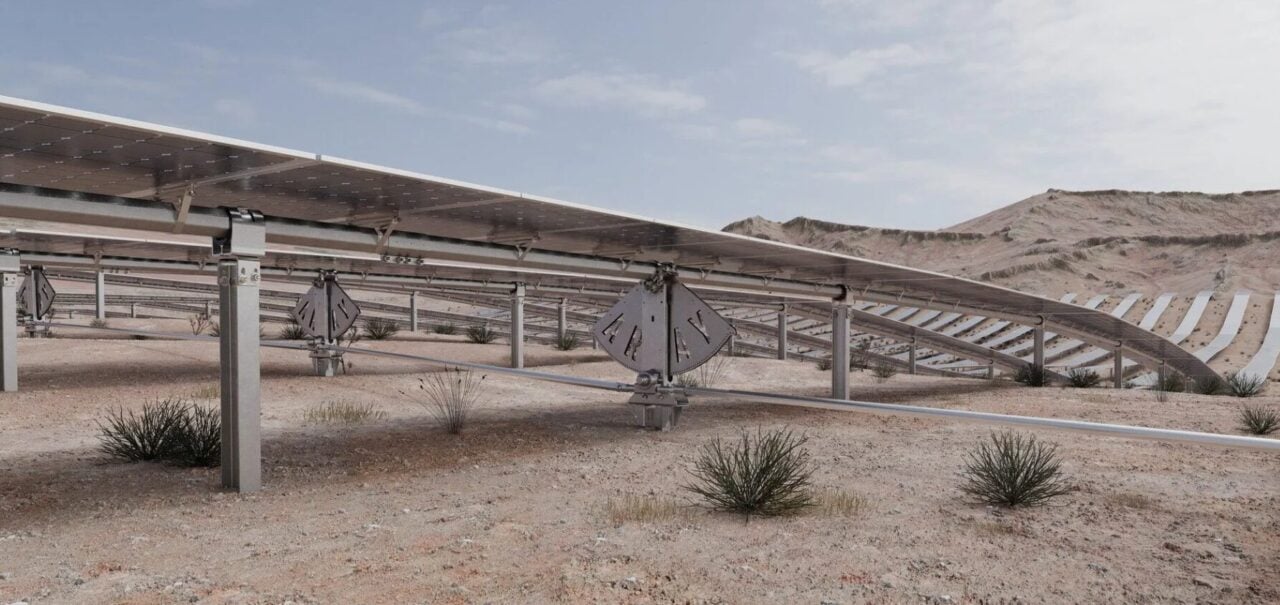
Array Technologies has announced an update to its Array OmniTrack trackers, which can now rotate by up to two degrees.
The Death of the Bulldozer
If you’re still looking for pool-table-flat land in Southern Europe, you’re looking for a unicorn. The 'easy' utility-scale sites in Extremadura and Puglia are long gone. What’s left? Rolling hills, uneven terrain, and sites that used to require a massive grading budget. Array Technologies’ minor-sounding 2-degree update to the OmniTrack is actually a direct attack on your civil engineering costs.
In Germany, the Bundes-Bodenschutzgesetz (Federal Soil Protection Act) makes heavy grading a permitting nightmare. Every cubic meter of soil you move is a liability. By increasing the tracker's ability to follow the natural contour of the land—even by a seemingly small increment—you are essentially removing the need for heavy machinery and the subsequent environmental mitigation. It’s the difference between a project that pencils out and one that gets stuck in permitting purgatory.
The Margin Math for EPCs:We’ve seen this play before with NextTracker’s NX Horizon-XTR. Array is playing catch-up, but for developers in the hilly terrain of the French Massif Central or the Spanish interior, having a second bankable option for 'unbuildable' land is a massive win for procurement leverage. Don't let your civil sub-contractor tell you the site needs leveling; tell them the tracker hardware needs to do its job.