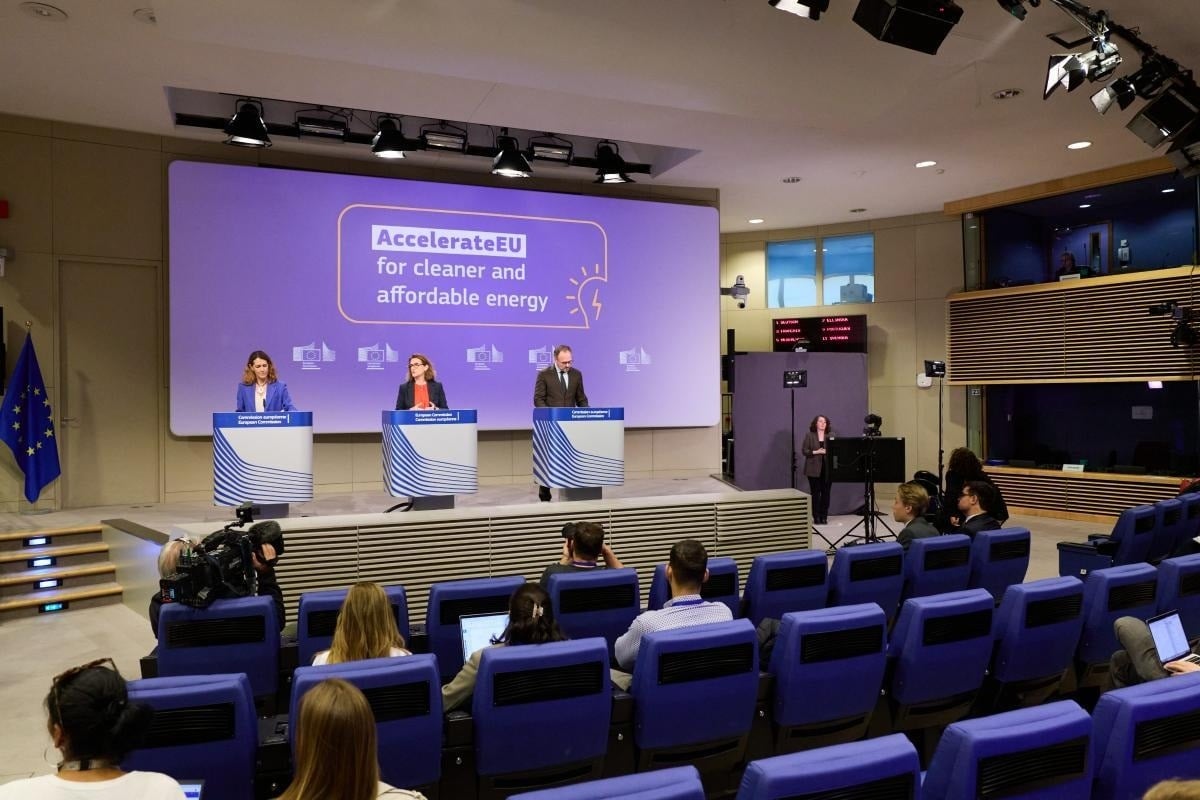
The European Commission must “acknowledge the clear role of long-duration energy storage,” organisations including Energy Storage Europe and the LDES Council have urged.
Why it matters: LDES is a policy fantasy until the EC creates a specific revenue stream for duration; keep selling 2-4 hour Li-ion systems to your C&I clients for now.
Trade groups asking the European Commission for "acknowledgment" is the energy sector equivalent of sending a LinkedIn request to a celebrity: it feels productive, but it rarely changes your bank balance. While Energy Storage Europe and the LDES Council are technically correct—we can’t hit 2050 net-zero targets on 2-hour lithium-ion cycles alone—the current market design in the EU is actively hostile to anything that doesn't look like a standard battery.
The CAPEX Trap
For a typical developer in Germany or the Netherlands, the math for Long-Duration Energy Storage (LDES) like Vanadium Redox Flow (VRFB) or iron-air technology just doesn't compute. Right now, a 4-hour lithium-ion BESS can be delivered for roughly €250-€300/kWh. LDES technologies, while promising lower degradation over 20 years, are struggling to break the €500/kWh barrier for full system integration. Without a specific "strategic reserve" payment or a massive shift in the EU’s Electricity Market Design (EMD) that rewards duration over raw power (MW), these technologies will remain lab darlings.
The Missing Revenue Stack
I’ve sat through enough Intersolar presentations to know the pitch: "We solve the dunkelflaute!" Great, but who pays for it? Currently, an ancillary services market like FCR (Frequency Containment Reserve) rewards speed, which favors Li-ion. To make an 8-to-100-hour battery viable, we need a Capacity Remuneration Mechanism (CRM) that specifically carves out duration. Until the EC mandates that Member States provide multi-day backup that isn't gas-fired, your C&I clients will stick to 2-hour peak shaving because that’s where the ROI lives.