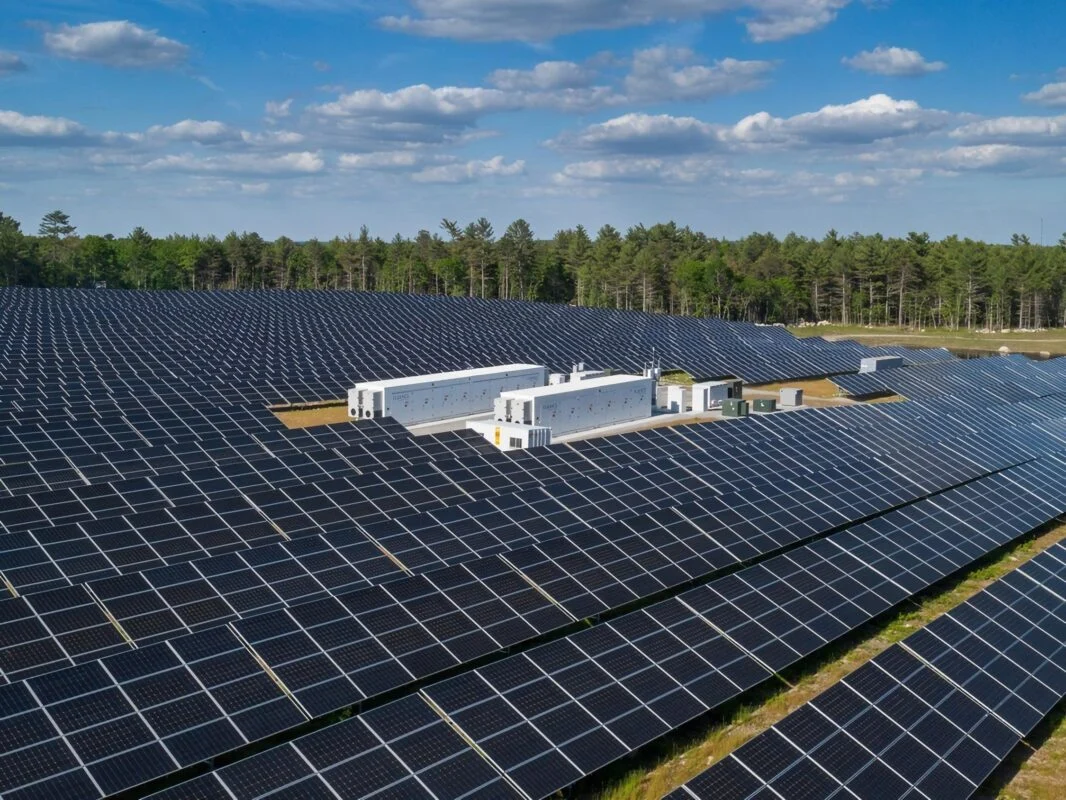
With BESS in the generation mix, energy is no longer simply generated and exposed to the market; it can be stored and used when most valuable.
Why it matters: PV-only projects are becoming financial liabilities; BESS is the only way to insulate your clients from negative power prices and mandatory grid curtailment.
In the golden era of Feed-in Tariffs, European installers were essentially glorified roofers with electrical licenses. Those days are dead. If you are still pitching PV-only utility or C&I projects in Germany, Spain, or the Netherlands without staring at the 2023 Day-Ahead market data, you are setting your clients up for a financial haircut. In 2023, Germany recorded over 300 hours of negative pricing. If your system is dumping 500kW into the grid at -€20/MWh, you aren't an "environmentalist"—you’re a donor.
The Arbitrage Reality Check
The conversation is shifting rapidly from LCOE (Levelized Cost of Energy) to what I call the 'Value of Captured Revenue.' For a developer in the Iberian Peninsula, co-locating a 2-hour BESS using a Sungrow PowerTitan or Tesla Megapack isn't just about being "dispatchable." It’s about price protection. When the midday solar glut crashes prices to near-zero, the battery acts as a financial firewall.
The Strategy: Stop selling your C&I clients a solar array. Sell them a "Power Hedge." A 1MW system with a 2MWh battery might have a slightly longer nominal payback period on a spreadsheet, but it’s the only asset that will actually deliver its projected IRR once the market fully cannibalizes midday solar prices. If you don't build flexibility into the project now, you'll be back in three years doing a costly retrofit for a frustrated customer.