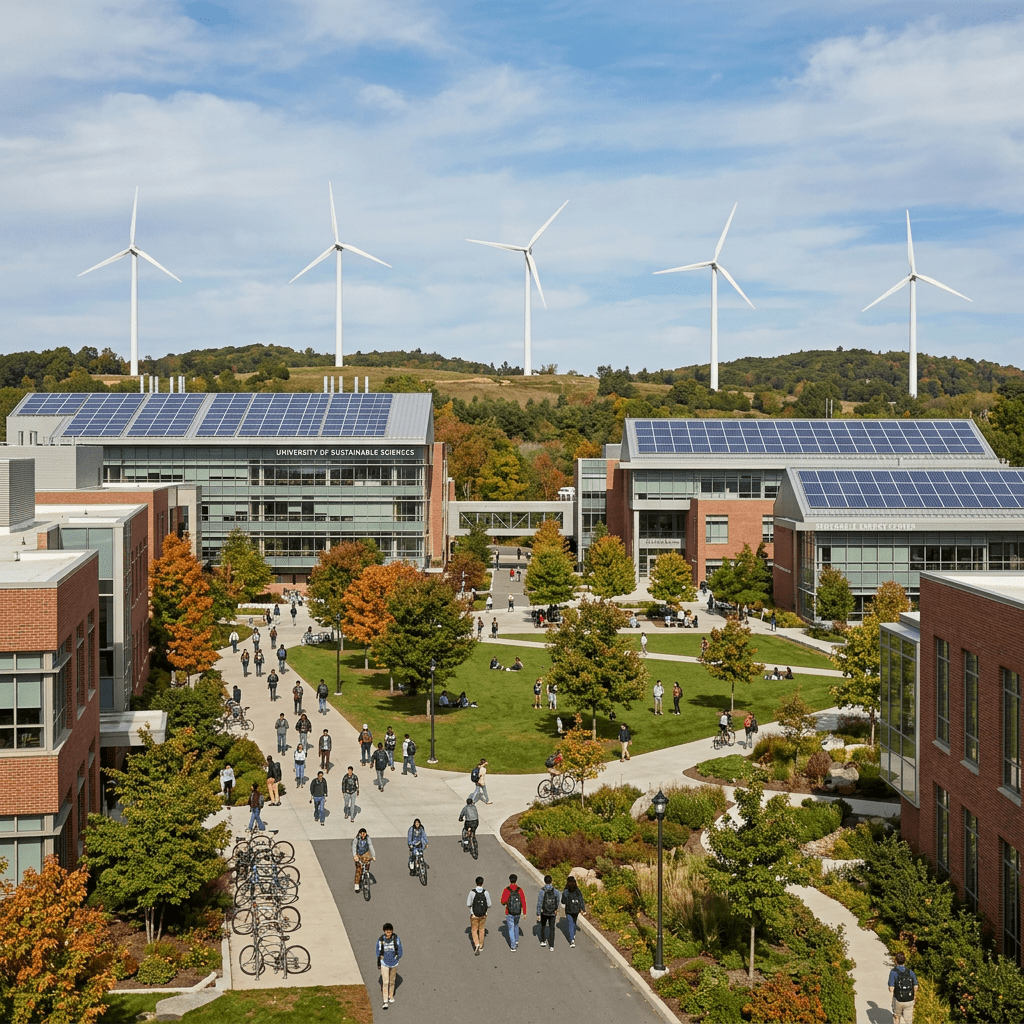
This agreement will supply 90% of UCT's power needs, significantly reducing carbon emissions and providing educational funding for energy-related research and scholarships.
Why it matters: Public institutions are shifting from rooftop-only to massive off-site PPAs—if you only offer panels, you're missing the big contracts.
The Death of the 'Rooftop-Only' Sales Pitch
If you're still walking into C&I meetings in the EU pitching nothing but a few hundred kilowatts of rooftop solar, you’re playing a losing game. The University of Cape Town (UCT) deal with Discovery Green isn't just a win for South Africa; it’s a masterclass in why 'wheeling'—the transport of renewable energy from a remote site via the utility grid—is the only way to hit 90% decarbonization targets for large institutions.
The Grid Congestion Workaround
We’ve seen it in the Netherlands with TenneT and in parts of Germany: the local distribution grid is choked. You want to install a 5MW array for a campus or factory, but the grid operator says 'no' for five years. The UCT model bypasses the physical limitations of the building’s roof by leveraging a platform that aggregates wind and solar from elsewhere. In Europe, the EU Energy Performance of Buildings Directive (EPBD) is going to force public buildings into these deep decarbonization targets. If you aren't partnering with PPA platforms like Pexapark or local energy traders to offer off-site solutions, you’re capping your own revenue at whatever fits on the customer's tiles.
The 'Energy Orchestrator' Margin
Discovery Green isn't just selling electrons; they are selling a financial and operational layer. For European installers, the money is moving from the physical labor of mounting rails to the digital labor of energy orchestration. UCT isn't just getting power; they're getting research funding and stable Opex. When you approach a university in Berlin or a hospital in Milan, the pitch shouldn't be about the efficiency of a LONGi or Jinko panel—it should be about the 15-year hedge against price volatility that only a multi-source PPA can provide. Stop being an electrician and start being a hedge fund manager who happens to own a crimping tool.