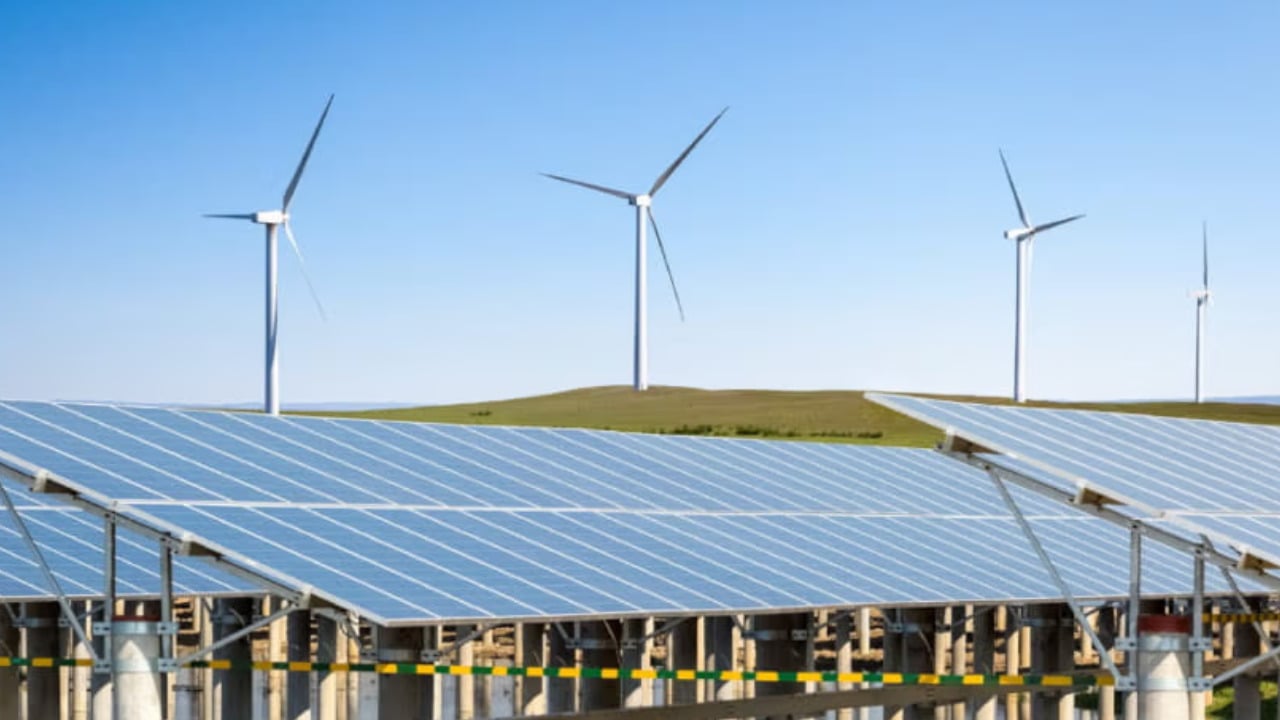
The insurance market will need to evolve its underwriting approaches to keep pace with the rapid growth of co-located renewable energy projects, according to a new report.
Why it matters: Insurance costs are no longer a rounding error; they are a project-killer if you don't design for fire safety from day one.
We’ve spent the last decade convincing the world that PV is a safe, boring asset class. Then we decided to bolt on massive lithium-ion batteries to solve the cannibalization problem, and the insurance industry collectively lost its mind. If you're building a hybrid project in 2024—whether it’s a 50MW solar farm in Extremadura with a 20MWh BESS or a smaller C&I setup in North Rhine-Westphalia—you are no longer just a power producer; you are a risk manager for a high-energy chemical facility.
The Underwriting Blind Spot
Traditional underwriters at firms like Munich Re or Zurich are comfortable with PV. They have decades of data on hail damage and inverter failures. But co-location introduces the "aggregation of risk." When you put a BESS next to a PV array, the insurer doesn't just see two assets; they see a potential thermal runaway event that could take out the entire revenue stream. I’ve seen premiums for hybrid sites jump 30% higher than standalone assets simply because the underwriter didn't understand the fire suppression delta between LFP and NMC chemistries.
The VdS 3103 Reality Check
In Europe, particularly Germany, the VdS 3103 guidelines are becoming the de facto bible for battery safety, yet many developers are still pitching projects that don't meet these stringent spacing and containerization requirements. If your project doesn't account for specific blast-wall placement or remote monitoring that feeds directly to a 24/7 O&M center, expect your deductible to eat your IRR. We are moving toward a world where the "bankability" of a project is dictated as much by the fire marshal as the off-taker.
Don't wait until the financial close to talk to an underwriter. If you haven't budgeted for an Insurance-Linked Warranty (ILW) or specialized BESS coverage that explicitly addresses Business Interruption from a battery fire, your project finance is built on sand. The gap between technical innovation and actuarial comfort is widening, and only the developers who treat insurance as a primary engineering constraint will survive the next market correction.