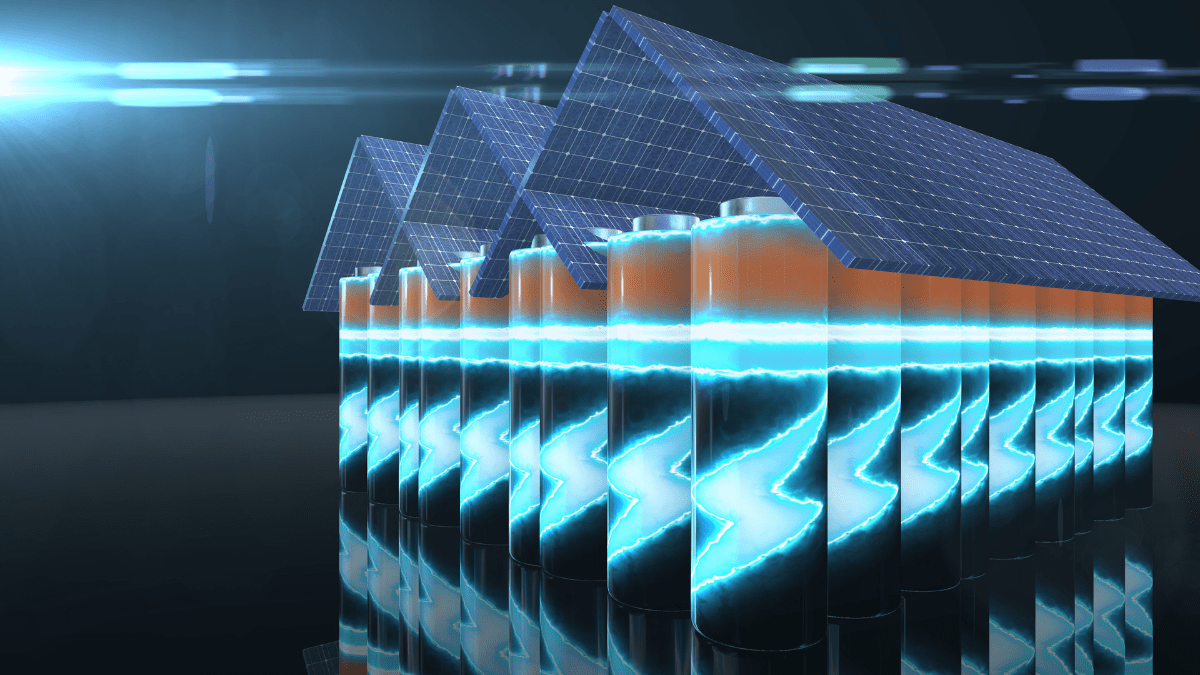
The facility will utilize solar technology with battery storage, ensuring reliable electricity.
Why it matters: Global giants like ACWA are making storage-integrated solar the baseline, which will tighten battery supply chains for European installers while setting a new standard for C&I tenders.
If you’re still trying to push utility-scale projects in the EU without a serious BESS component, ACWA Power just sent you a postcard from the future. This 500MW deal in New Clark City isn’t just another land lease; it’s a masterclass in how global capital is bypassing traditional grid constraints by treating storage as a mandatory limb rather than an optional accessory.
The Death of the 'Dumb' Solar Plant
While European developers are often still wrestling with legacy grid operators over 10MW interconnections in places like Brandenburg or Andalusia, ACWA is building at a scale that necessitates total energy management. The Philippines, much like parts of Eastern Europe, suffers from high retail electricity prices and a grid that’s about as stable as a house of cards. By integrating storage from day one, ACWA isn't just selling electrons; they are selling dispatchability. This is the exact pivot we’re seeing in the Netherlands, where negative pricing has turned 'solar-only' into a liability during peak hours.
The Procurement Power Play
For the European installer, the signal here is about the supply chain. When ACWA moves on a 500MW + BESS project, they aren't calling local distributors. They are locking in direct-to-factory contracts with the likes of Sungrow or CATL. Every one of these massive Asian projects eats up global production capacity for the same LFP cells you need for your C&I projects in Milan or Lyon. We are entering an era where your project’s ROI is dictated more by ACWA’s global appetite than by your local subsidy regime.
Don't look at this as 'just some project in Asia.' Look at it as the reason your battery lead times just went up another two weeks.