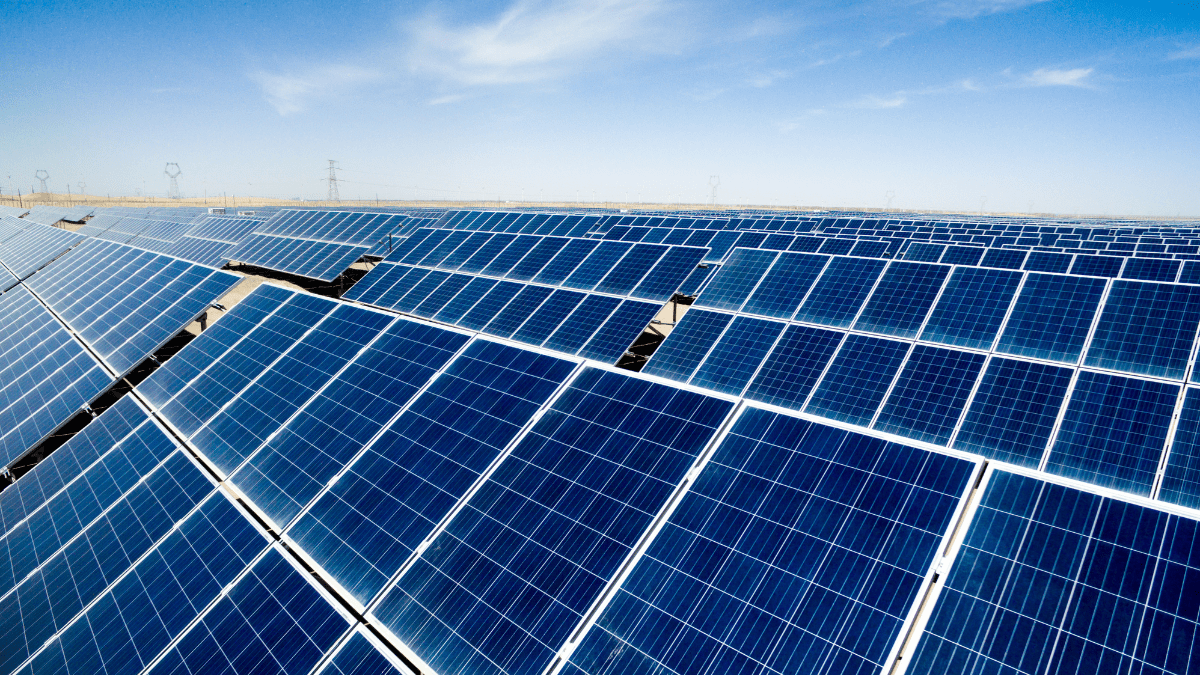
The partnership aims to integrate solar tracking systems with automated cleaning robots, improving performance and reducing maintenance costs.
Why it matters: Stop treating O&M as a post-handover problem; integrated tracker-robot systems are now the baseline for protecting utility-scale IRRs against rising European labor costs.
The End of the 'Dumb' Tracker Era
If you’re still deploying utility-scale trackers that only follow the sun, you’re building a legacy asset in a smart-grid world. The partnership between Spain’s Gonvarri Solar Steel and China’s Solar-LIT isn't just about sticking a robot on a rail; it’s about solving the 'cleaning angle' friction that has plagued O&M teams for a decade. In the high-soiling environments of Southern Spain or Southern Italy, the lack of communication between tracker and robot is a silent yield killer.
The Interoperability TrapMost field engineers have lived through this: the cleaning robot requires a 0° stow position to traverse the row safely, but the tracker SCADA is either locked in a wind-stow or simply doesn't 'talk' to the robot's controller. By integrating these systems at the factory level, Solar Steel is removing the integration risk that usually falls on the EPC. For a 100MW project, this can shave weeks off the commissioning phase and thousands of Euros off the annual O&M budget.
The Margin Math for European Developers
This move signals a broader shift: hardware is becoming a commodity, but integrated operations are a moat. If you aren't asking your tracker supplier about their robot compatibility today, you're building a project that will be O&M-obsolete by its first scheduled maintenance.