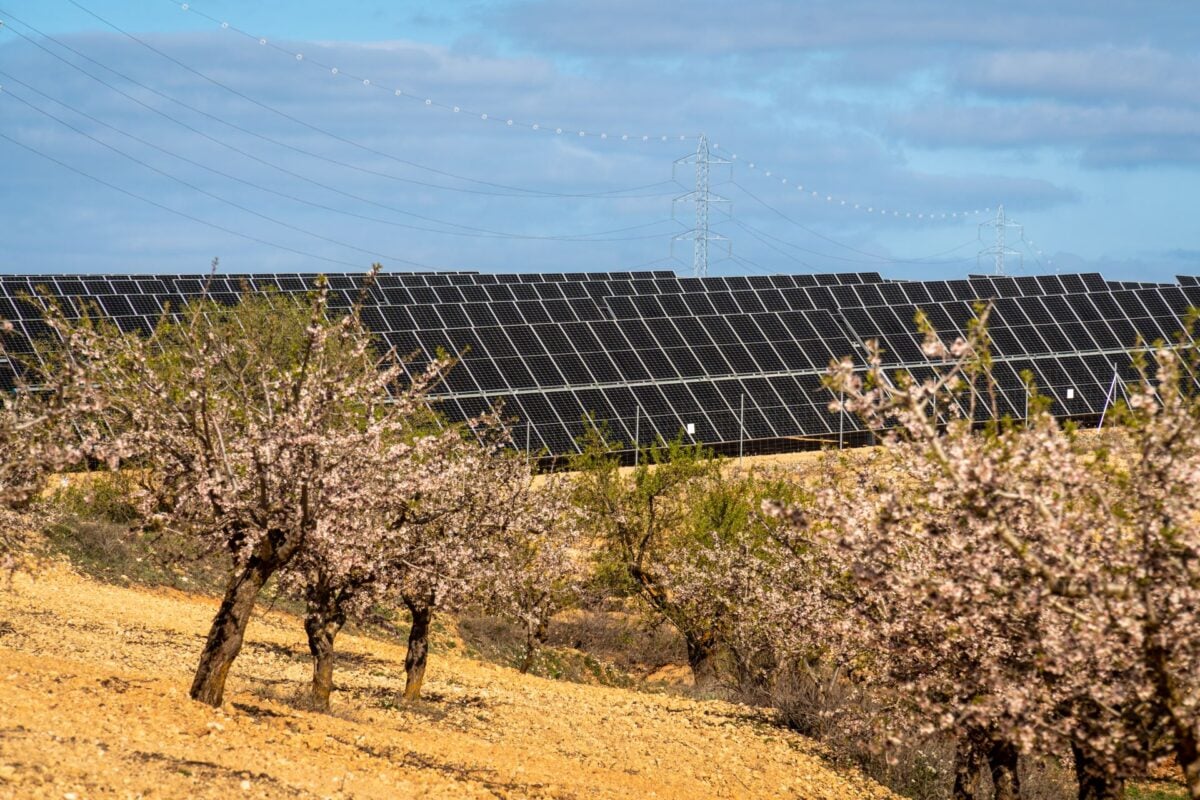
Independent power producer Sonnedix has reached financial close on a 102MW solar PV portfolio in Spain and Italy.
Why it matters: The bankability gap is widening; if you aren't de-risking your projects with storage or high-credit PPAs, your pipeline is just a pipe dream.
On the surface, Sonnedix closing financing for a 102MW portfolio across Spain and Italy looks like business as usual. But look closer at the cost of capital. While small-to-medium developers in the EU are currently getting hammered by base rates and banks demanding 60% or more in PPA coverage, the global IPPs are still finding the "smart" money. This deal is a loud signal that the market is bifurcating: the big get bigger, and the small get squeezed.
The Spanish Cannibalization Trap
In Spain, the story isn't about building anymore—it's about surviving the 0€/MWh midday prices. If you’re a developer in Murcia or Extremadura, you’re seeing this firsthand. Sonnedix isn't just throwing up glass; they are likely betting on a portfolio hedge that a 5MW local player can’t replicate. If your Spanish project doesn't have a strategy for the "duck curve" or a pathway to hybridization with BESS, your financing will stall where Sonnedix’s sailed through. Lenders are no longer interested in pure merchant exposure in Iberia.
The Italian Permitting Premium
Italy remains a different beast entirely. With the recent Decreto Agricoltura creating new hurdles for ground-mounted PV on agricultural land, any portfolio that actually reaches financial close has already survived a permitting gauntlet that would break most boutique firms. For installers and developers in Puglia or Sicily, this news confirms that the "permitted project" is the only currency that matters. The 102MW split shows a sophisticated geographic hedge: Spain for scale and low CAPEX, Italy for higher capture prices and regulatory scarcity.
The lesson for the rest of us? The era of "build it and the bank will come" is dead. To compete with the likes of Sonnedix for liquidity, you need to de-risk through extreme technical differentiation—think N-type TOPCon efficiency gains or integrated storage—to prove to lenders that your yield isn't just a theoretical exercise in a declining price environment.