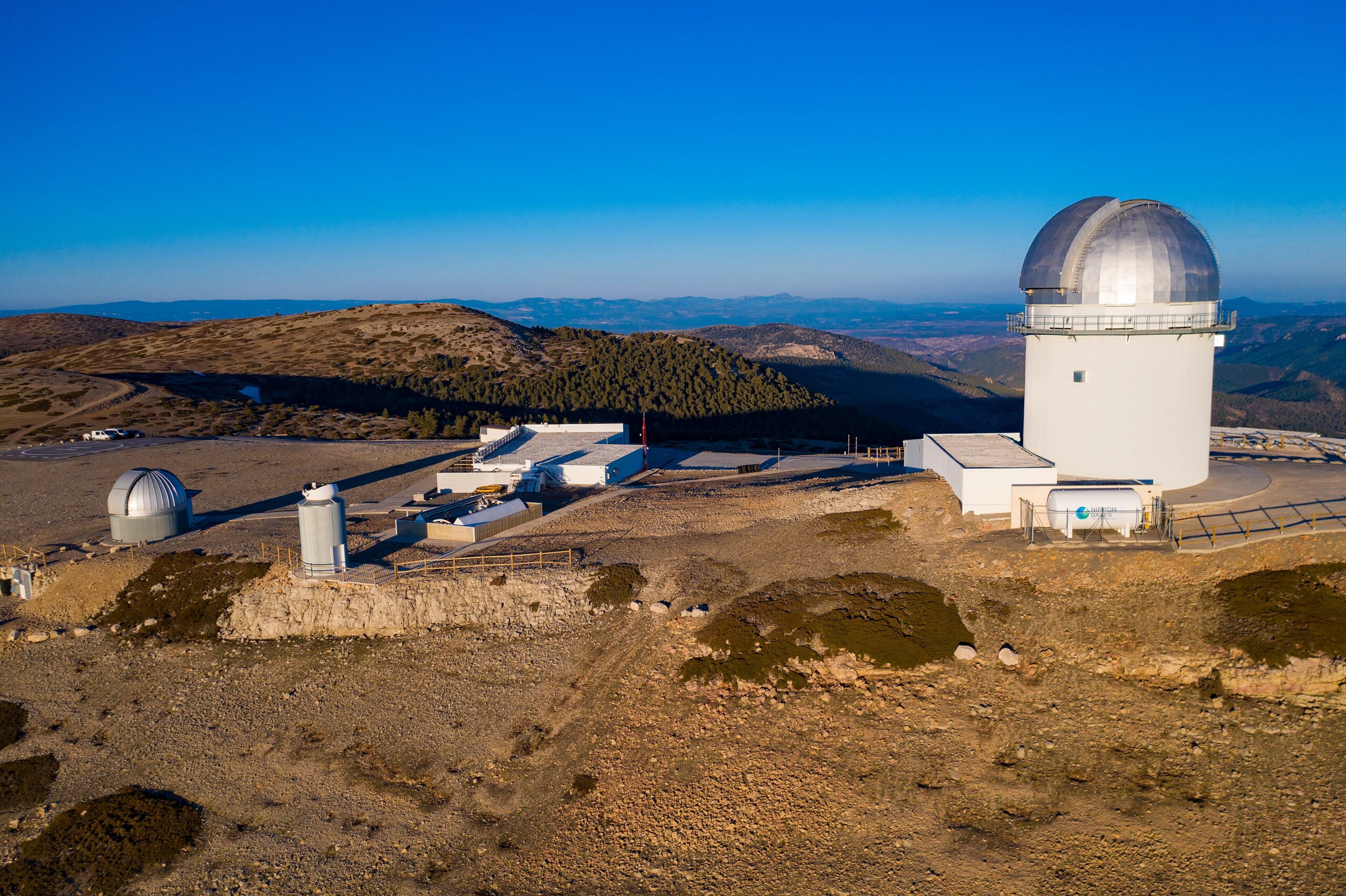
La licitación de la Fundación Centro de Estudios de Física del Cosmos de Aragón dispone de un presupuesto total de 370.000 euros, un plazo de ejecución de cuatro meses y un periodo de recepción de ofertas abierto hasta el 19 de junio.
Why it matters: Extreme altitude projects offer double the typical margins, but only if you price in the specialized hardware and logistical risks that flat-land installers ignore.
At first glance, a 250 kW project in Teruel sounds like a rounding error for a serious Spanish EPC. But look at the price tag: €370,000 for a quarter-megawatt. That is roughly €1.48 per watt-peak—nearly double the current market rate for standard C&I ground mounts in the Iberian peninsula. If you think the Fundación is overpaying, you’ve clearly never hauled a crane up to 1,950 meters in the Sierra de Gúdar.
The High-Altitude Technical Trap
This isn't a solar project; it’s an aerospace logistics exercise. At nearly 2,000 meters, your engineering team needs to throw the standard playbook out the window. First, the Voc (Open Circuit Voltage) calculations: in the freezing winters of Javalambre, those voltage spikes will fry a standard string inverter designed for the coastal heat of Valencia if you don't adjust your string sizing for the extreme temperature coefficients. I’ve seen 1000V strings hit 1150V in alpine conditions, turning expensive hardware into paperweights.
The Margin is in the Difficulty
For installers tired of the race-to-the-bottom pricing in flat-land solar farms, these niche tenders are where the real money is—if you have the technical chops. The high budget reflects the technical premium. If you approach this with a "vanilla" mindset using standard CTE (Código Técnico de la Edificación) assumptions for wind and snow, you’ll lose your shirt on O&M. But for the firm that speculates on high-durability components like SMA’s Highpower series or SolarEdge with optimized strings for mismatched snow-shading, it’s a high-margin masterclass.