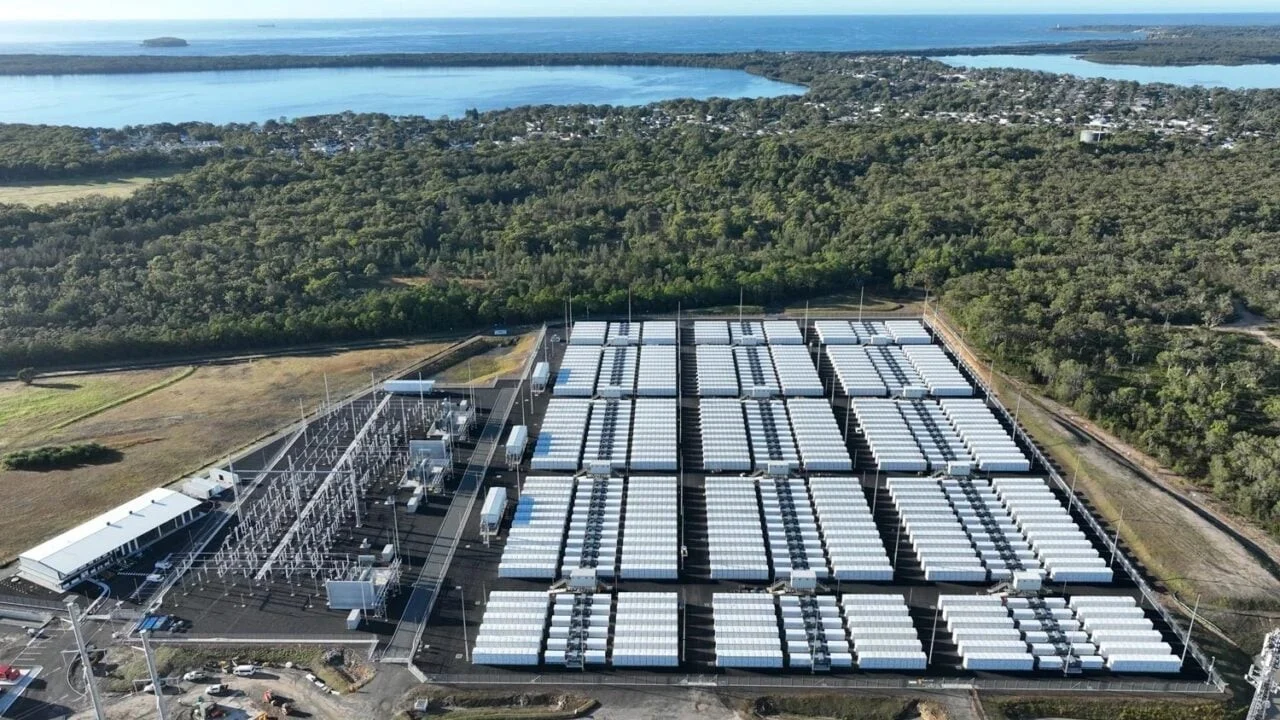
Akaysha Energy's Waratah Super Battery is now operating at 700MW and 1,680MWh following the successful return to service of High Voltage Transformer 2 (HVT2), the BlackRock-backed developer confirmed in a market update today (4 June).
Why it matters: One failed transformer can turn your flagship BESS project from a cash cow into a stranded asset with a two-year wait for a replacement.
Everyone loves to talk about LFP cell chemistry and C-rates, but the Waratah Super Battery just gave us a masterclass in the unsexy reality of utility-scale storage: the single point of failure. When you’re dealing with a BlackRock-backed 1.6GWh monster, you aren't just building a battery; you’re building a critical piece of grid infrastructure. If one High Voltage Transformer (HVT) goes down, your capacity—and your revenue—drops like a stone.
The Lead-Time Trap for European Developers
If you are developing BESS projects in the UK, Germany, or the Netherlands, the Waratah outage should keep you awake at night. In the current market, the lead time for a 400kV or 220kV transformer is stretching toward 80 to 100 weeks. If you don't have a redundancy strategy or a rock-solid O&M contract with guaranteed uptime, a transformer failure isn't just a technical glitch; it’s a two-year hole in your IRR.
We’ve seen this pattern before in the offshore wind sector—everyone focuses on the turbines until the subsea cable snaps. For BESS installers, the lesson is clear: Don't get blinded by the MWh. The 'Super' in your battery refers to the entire chain, and right now, the weakest links are the ones made of copper and iron, not lithium.