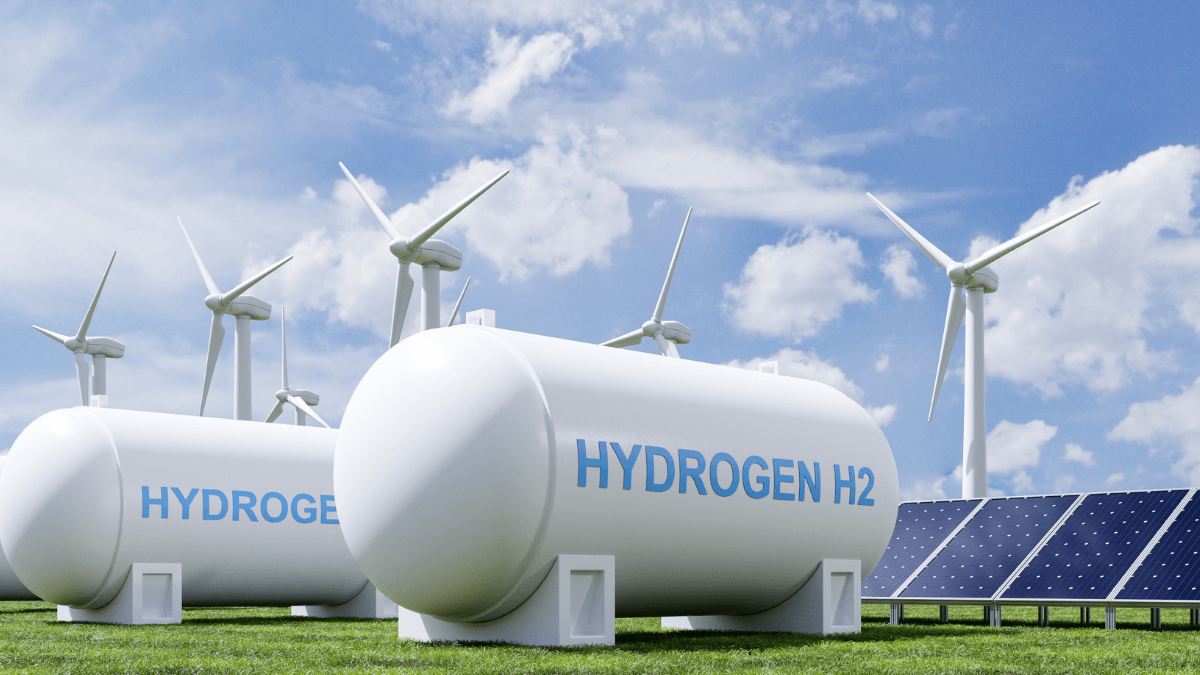
With a capacity of 600 MW, it enhances the company’s power generation by 45%. Designed for future energy transitions, it can co-combust hydrogen and natural gas, supporting Singapore’s growing energy demands while promoting sustainability and lower carbon emissions.
Why it matters: The 'hydrogen-ready' gas lobby is the biggest threat to long-term grid-scale solar storage mandates in Europe—don't let your clients buy the bridge-fuel myth.
Don’t be fooled by the marketing gloss on Keppel’s 600 MW Sakra Cogen plant. While the headline screams "hydrogen," the reality for the power market is that this is a high-efficiency natural gas play designed to protect baseload margins. For the European solar professional, this isn't just a news item from Southeast Asia; it is a mirror of the German Kraftwerksstrategie (Power Plant Strategy) and similar moves in the UK and Italy.
The 'Hydrogen-Ready' Trap
When an OEM like Mitsubishi Power or Siemens Energy talks about "hydrogen-compatible," they are usually referring to a turbine that can handle a 30% hydrogen blend today, with a theoretical path to 100%. But here is the catch: burning green hydrogen in a thermal turbine is an efficiency nightmare. You lose roughly 60-70% of the energy in the round-trip from electrolysis to combustion. From a Capex perspective, these plants are being built to ensure that gas stays in the mix for another 20 years under the guise of being 'future-proof.'
What This Means for Your Pipeline
If you are developing C&I or utility-scale solar in Europe, these plants are your silent competitors for grid priority. Governments are subsidizing "H2-ready" gas to solve the intermittency problem that we should be solving with LDES (Long-Duration Energy Storage) and over-provisioned PV. The math is clear: a 200MW BESS combined with optimized solar is becoming cheaper than the levelized cost of 'green' hydrogen combustion, especially when EU carbon prices (ETS) fluctuate.
We’ve seen this before with "Clean Coal" and "Carbon Capture Ready" plants. They are hedges against the total dominance of renewables. Your pitch to investors shouldn't be about competing with gas—it should be about the volatility hedge that solar provides, which no 'hydrogen-ready' gas plant can ever match while it's still tied to a pipeline.