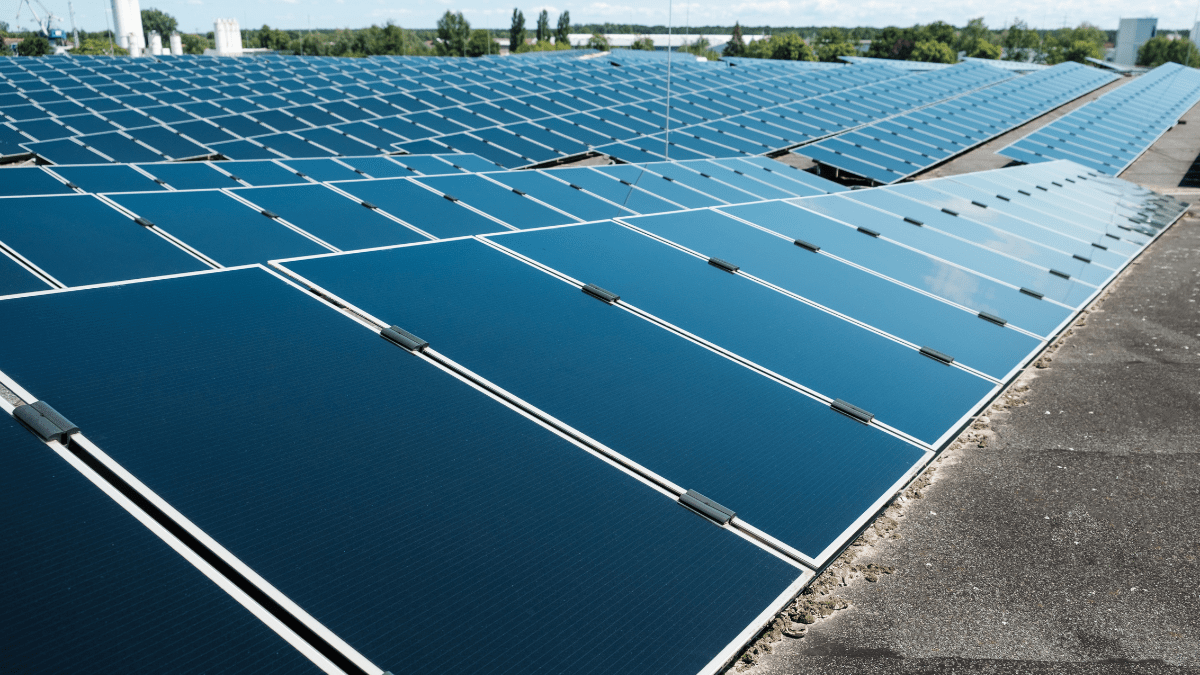
Odisha Governor Hari Babu Kambhampati inaugurated a 485 kWp rooftop solar power plant at Lok Bhavan, enhancing its solar capacity to 635 kW.
Why it matters: The EU’s 2026 public building mandate is coming; if you aren't bidding on 500kW government rooftops now, you're forfeiting the most stable pipeline of the decade.
While a 485 kWp project in India might seem like a footnote for a major Spanish or German developer, it represents a global shift toward the "Public Building Powerhouse" model that European installers ignore at their peril. This isn't just a feel-good ribbon-cutting ceremony; it’s a precursor to the regulatory tsunami hitting the EU under the revised Energy Performance of Buildings Directive (EPBD).
The 2026 Deadline Is Closer Than You Think
By 2026, the EU Solar Rooftop Initiative mandates that all new public and commercial buildings with a floor area over 250 square meters must have solar installations. By 2027, this extends to existing public buildings. The Odisha project, executed by the National Buildings Construction Corporation (NBCC), mirrors the exact strategy we are seeing from European construction giants like Vinci or Eiffage—integrating PV into the core infrastructure of state governance to hedge against volatile wholesale energy prices.
The "Anchor Tenant" Strategy
For an EPC firm in the Netherlands or Poland, these 500kW-range public tenders are the ultimate de-risking tool. Unlike private C&I clients who might pivot or go bankrupt, government buildings are the "anchor tenants" of the energy transition. They offer:
The Money Angle: We are seeing a massive shift in how these projects are financed. In Europe, the InvestEU program and green bonds are flooding the market with capital specifically for public sector decarbonization. If your business model is still focused on 10kW residential rooftops, you are fighting for scraps while the real margins are moving into the 500kW–2MW public sector sweet spot. Don't wait for the 2026 mandate to build your public tender desk—by then, the construction giants will have already locked up the supply chains for the high-efficiency TOPCon modules needed to maximize these limited rooftop footprints.