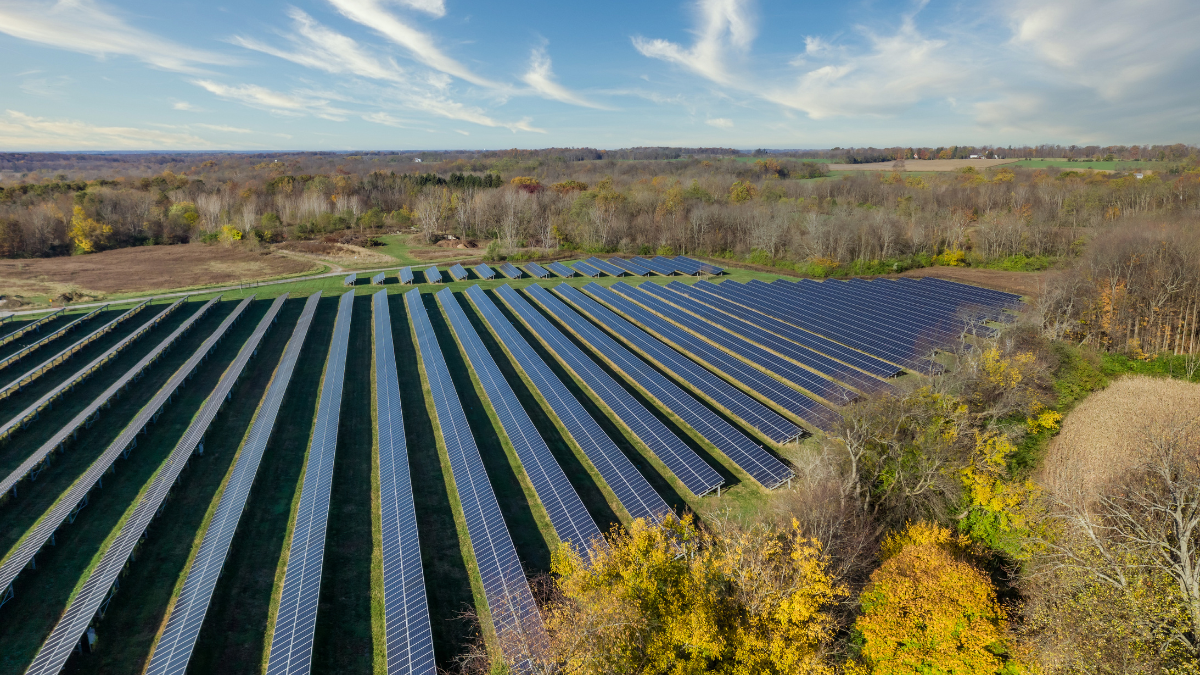
The European Bank for Reconstruction and Development (EBRD) has financed a 32 MW solar park in Greece, valued at €18.9 million. This project will supply renewable energy to Hellenic Halyvourgia, reducing carbon emissions by over 22,000 tonnes annually.
Why it matters: Heavy industry is moving from 'passive energy consumer' to 'active solar generator' to survive CBAM and price volatility—be the EPC that facilitates that shift.
For years, the utility-scale EPC market in Europe was obsessed with tech giants and their 24/7 load-matching requirements. This €18.9 million EBRD package for Hellenic Halyvourgia signals a pivot toward the "hard-to-abate" sectors. If you’re a developer in Italy, Poland, or Germany, look at your local steel mills and cement plants. They aren't buying solar because they want to look green; they’re buying it because the Carbon Border Adjustment Mechanism (CBAM) is coming for their margins, and spot prices are too volatile to hedge long-term.
The Math of Industrial Survival
At approximately €590,000 per MW installed, this project is lean. It reflects the harsh reality of industrial solar: the margins for the installer are tighter than a residential string inverter, but the volume and bankability are unmatched. Hellenic Halyvourgia is effectively fixing their energy costs for the next 20 years to avoid the fate of other European manufacturers who were crushed during the 2022 energy crisis. For an installer, this means moving away from speculative projects toward high-certainty, bank-backed industrial partnerships.
The Industrial Pitch Checklist
If you’re still pitching "save the planet" to C&I clients, you’re losing the room. The winning pitch to European industry is "insulate your EBITDA from the next energy crisis." This isn't just a Greek story; it's the blueprint for the survival of European manufacturing.