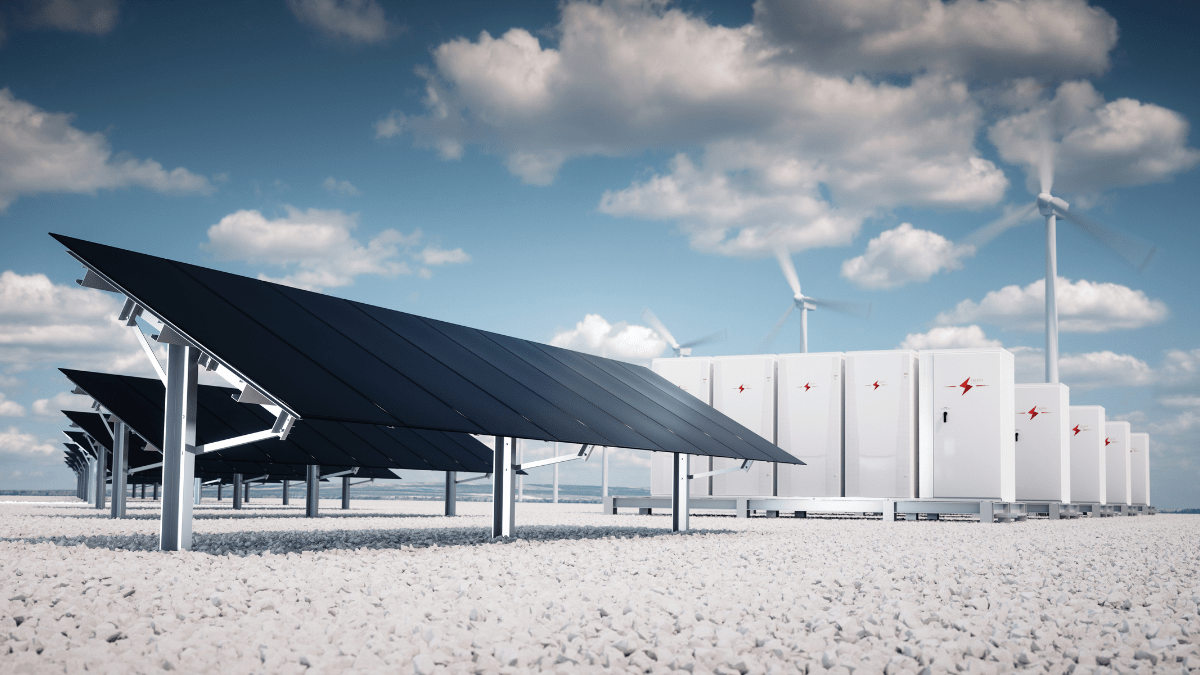
TIANNENG has entered into a strategic cooperation agreement with a Philippine consortium, including renewable energy platform CS First Green, to jointly develop solar-plus-storage projects in the Philippines
Why it matters: Chinese manufacturers are moving from selling you batteries to competing with you for the entire project contract using their own subsidized hardware.
If you still think of Tianneng as just the company making batteries for electric scooters in Shanghai, you’re missing the tectonic shift. This 100 MW solar-plus-storage deal in the Philippines isn't just a regional win; it’s a blueprint for how Chinese giants are evolving from component suppliers to full-stack project orchestrators.
The "Total Solution" Squeeze
For a developer in the Benelux or a mid-sized EPC in Iberia, the signal is clear: the era of "pick and mix" procurement is under siege. When a manufacturer like Tianneng moves upstream into development with partners like CS First Green, they aren't just selling cells; they are securing the entire margin from ingot to interconnect. They can underbid any European developer relying on third-party BESS procurement because they are their own supply chain. With LFP cell prices currently hovering around $0.05–$0.07/Wh, vertically integrated deals like this allow manufacturers to absorb costs that would bankrupt a traditional developer.
The Market Signal Checklist:Don't be fooled by the geography. The Philippines is a brutal testing ground for high-irradiation, high-humidity environments. If they can make a 100 MW BESS work there without thermal runaway or massive degradation, bringing that battle-tested hardware to the Mediterranean is a trivial step. European developers must decide: compete on price against these giants (a losing game) or pivot to the complex, high-margin C&I retrofits that are too bespoke for Chinese mega-corps to automate.