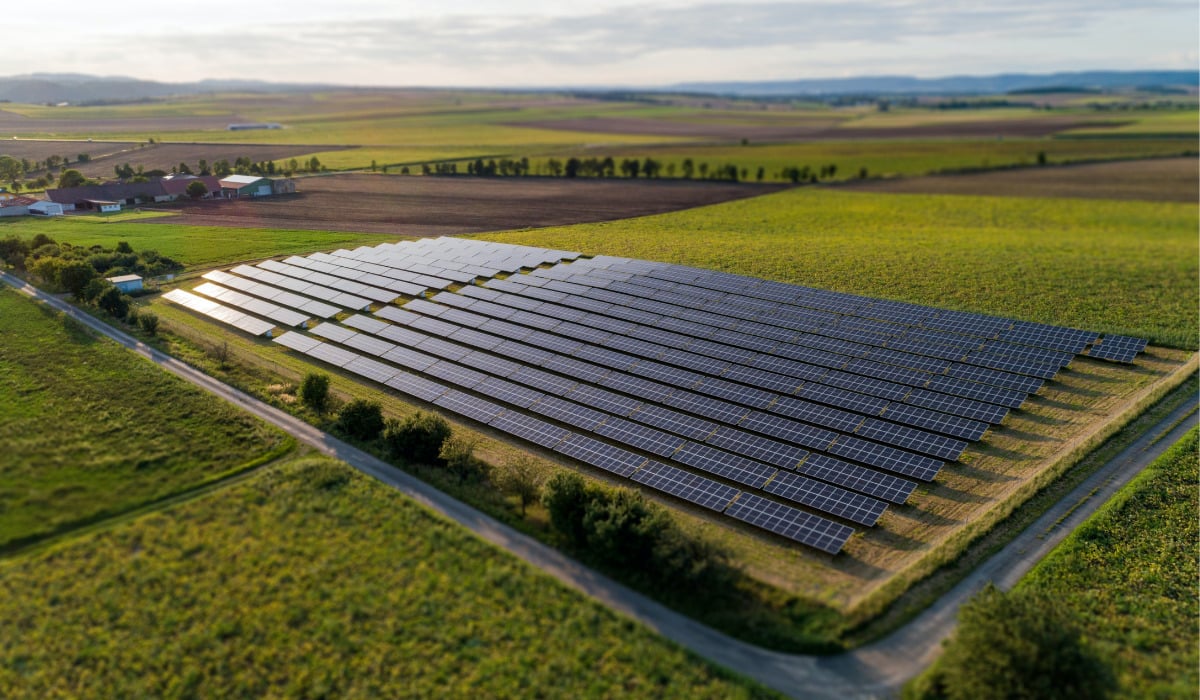
Greenwood Sustainable Infrastructure (GSI) and the Ocean Man Nakoda Nation (OMNN) have broken ground on the 100MWac solar project in Saskatchewan, Canada.
Why it matters: True community equity is the only way to defeat EU NIMBYism and secure the massive land parcels required for 100MW+ projects.
While European developers are busy fighting NIMBY lawsuits and begging for grid connections, the 100MW Iyuhána Solar project in Saskatchewan is a masterclass in what I call 'Equity-as-Permitting.' This isn't just another utility-scale plant; it’s a partnership where the Ocean Man Nakoda Nation is a core owner. For those of you in Germany or the Netherlands struggling with the EU’s Renewable Energy Directive (RED II) requirements for 'Energy Communities,' this is your blueprint.
The Myth of the Passive Stakeholder
In Europe, we often treat community engagement as a box-ticking exercise—a public town hall, a few flyers, and maybe a 5% discount for locals. It doesn’t work. The Iyuhána project succeeds because the local community isn't a neighbor; they are the landlord and the partner. When the people living next to the panels own a piece of the 100MW pie, the 'Not In My Backyard' sentiment evaporates. If you’re a developer in Spain or Poland looking at a 50MW+ pipeline, stop offering participation and start offering equity stakes. It’s the only way to bypass the inevitable three-year litigation cycle.
High-Latitude Technical Lessons
Saskatchewan isn't exactly the Costa del Sol. We’re talking about 100MWac in a region that sees -30°C and significant snow loads. For installers in the Nordics or the Alps, watch the tech choices here. You can bet your bottom Euro they are using bifacial modules on high-clearance trackers. In snowy regions, the albedo effect from ground cover can boost yields by 15-20% if your racking height is dialed in correctly. If you're still pitching mono-facial in high-latitude C&I projects, you're leaving money on the table and your ROI calculations are prehistoric.
Ultimately, GSI (a Libra Group company) is proving that scale and social license aren't mutually exclusive. If you want to build 100MW in 2025, you don't need better PR; you need a cap table that includes the people who live in the shadows of your trackers.