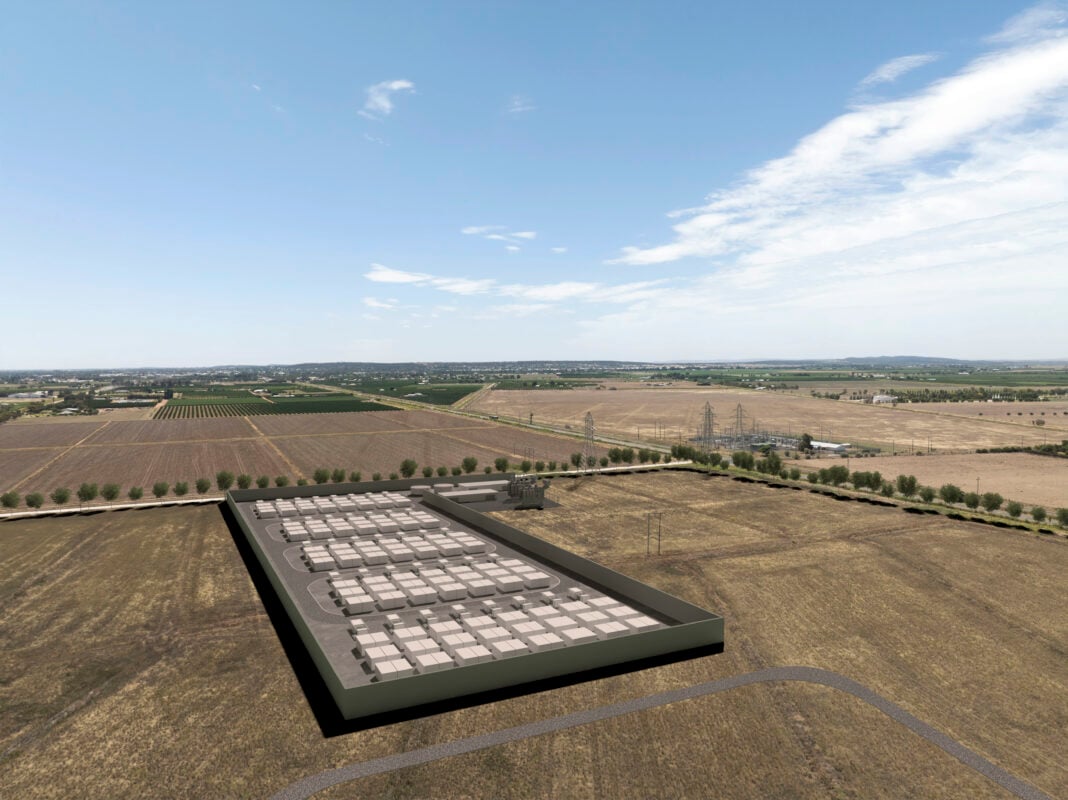
Eku Energy has submitted its 1,000MWh Griffith battery energy storage system (BESS) for environmental assessment under Australia's EPBC Act.
Why it matters: Stop thinking about storage as a 'buffer' and start seeing it as the primary product; 10-hour durations are the only way to survive the coming wave of negative pricing.
The End of the Two-Hour Arbitrage Era
While many European developers are still patting themselves on the back for commissioning 2-hour BESS units in the UK or Germany, Eku Energy is moving the goalposts with a 10-hour monster in New South Wales. A 1,000MWh system over 10 hours implies a 100MW discharge rate. This isn’t just about catching the evening peak anymore; it’s about shifting solar energy into the dead of night. For anyone building PV in markets like Spain or the Netherlands, where negative pricing during summer mid-days is becoming the default, this is your unavoidable future.
The market signal here is deafening. In the EU, we’ve seen the 'cannibalization effect' crush margins for pure-play solar projects. When every 50MW plant in Andalusia is dumping power at 1:00 PM, the spot price hits €0 or worse. A 2-hour battery barely gets you through the evening ramp. A 10-hour duration, however, allows a developer to effectively bypass spot market volatility entirely. We are witnessing the birth of Baseload Solar.
If you're an EPC or developer in Europe, don't look at this as an Australian oddity. Look at it as a technical blueprint. As LFP cell prices hover near $60/kWh, the CAPEX for 8-10 hour systems is finally entering the realm of the possible. If your current project designs don't leave physical footprint or electrical capacity for massive storage expansion, you're building an asset that will be stranded before the modules' 25-year warranty is halfway through. I’ve seen enough 'stranded' solar assets to know that flexibility is the only hedge against a grid that no longer wants your un-buffered electrons at noon.