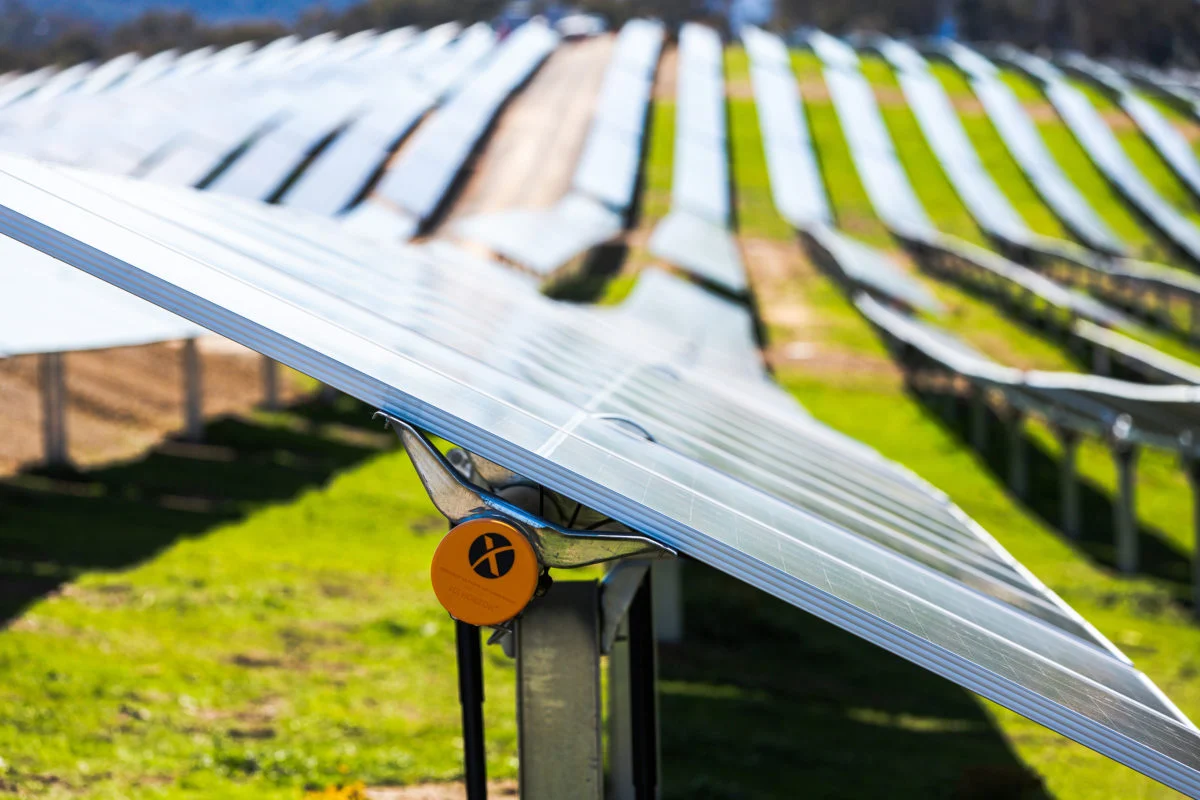
The top 10 PV tracker manufacturers are investing in artificial intelligence applications or advanced materials to improve tracker performance or reduce solar project costs.
Why it matters: Stop treating trackers as steel commodities; the software layer is now the only thing keeping your project’s IRR above the cost of capital on uneven European terrain.
The 'Smart' Label is a Defensive Moat
Let’s be honest: when a tracker company says 'AI', they usually mean algorithmic backtracking that doesn't suck. For years, trackers were just dumb steel and actuators. But as the European market moves toward topographically challenging sites—think the rolling hills of Castilla-La Mancha or the uneven slopes of Southern France—the standard 'flat earth' astronomical algorithms are leaving 2-5% of yield on the table due to row-to-row shading. If you're still spec'ing 'dumb' trackers for anything other than a flat desert, you're gifting the client's IRR to the shadows.
Yield Gains vs. O&M Headaches
Major players like Nextracker (with TrueCapture) and Spain's PV Hardware (PVH) are weaponizing software to solve the 'diffuse light' problem. On a typical overcast day in Germany or the Netherlands, a standard tracker stays pointed at a sun it can't see. 'AI' sensors now allow the array to stow flat to capture diffuse irradiance, potentially boosting output by 1% to 1.5% annually. That sounds marginal until you realize your 50MW project is fighting for every basis point to satisfy a PPA tender.
The real shift isn't just in the tilting; it's in predictive O&M. We are finally seeing sensors that monitor motor current draw to flag a failing slew drive before it seizes. Replacing a component during a scheduled visit instead of an emergency truck roll is how you protect your long-term service margins.