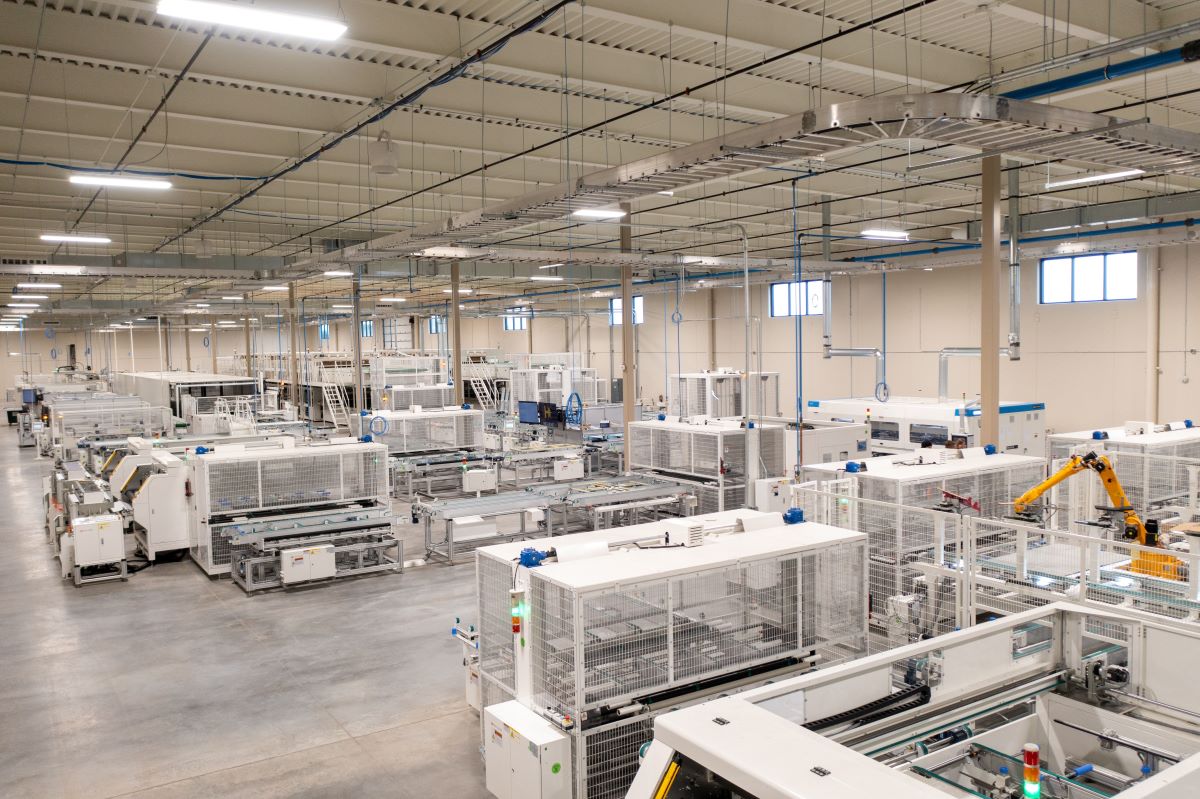
US solar installer SUNation Energy and merchant cell manufacturer Suniva have agreed to merge to create an integrated platform combining US-based solar manufacturing with residential and commercial installation services.
Why it matters: Vertical integration sounds like a supply chain solution, but for most installers, it's just an expensive way to lose your competitive edge in a falling-price market.
Don’t be fooled by the press release fluff about 'synergy.' This isn't a merger of strength; it’s a survival pact fueled by the distorted incentives of the US Inflation Reduction Act (IRA). For those of us in Europe, this looks like a fever dream. Imagine a mid-sized installer in Bavaria or the Netherlands deciding that because supply chains are messy, they should go out and buy the remains of a bankrupt cell manufacturer like Meyer Burger or the old SolarWorld assets.
The 'Domestic Content' Mirage
The logic here is purely financial, driven by the US 10% Domestic Content bonus. By owning the cell production (Suniva) and the installation arm (SUNation), they are trying to capture the entire value chain of subsidies. But here is the reality check: manufacturing cells and installing panels are two fundamentally different businesses. One requires massive CAPEX, cleanrooms, and obsessive yield management; the other requires logistics, sales hustle, and a fleet of vans. We’ve seen this movie before in the EU, and it usually ends in a liquidity crisis.
A Warning for the European Mid-Market
In the EU, we are seeing a push for the Net-Zero Industry Act (NZIA), which nudges public tenders toward local content. Some installers might think that tying themselves to a local manufacturer secures their supply. It doesn't. It anchors you to their price point. When Jinko or LONGi drops prices by another 15% next quarter—which they will—SUNation will be stuck installing expensive 'in-house' cells while their competitors buy cheap Tier-1 modules on the spot market. Unless you have the massive scale of an Enel (3Sun), trying to bridge the gap between a wafer and a roof is a recipe for margin suicide.