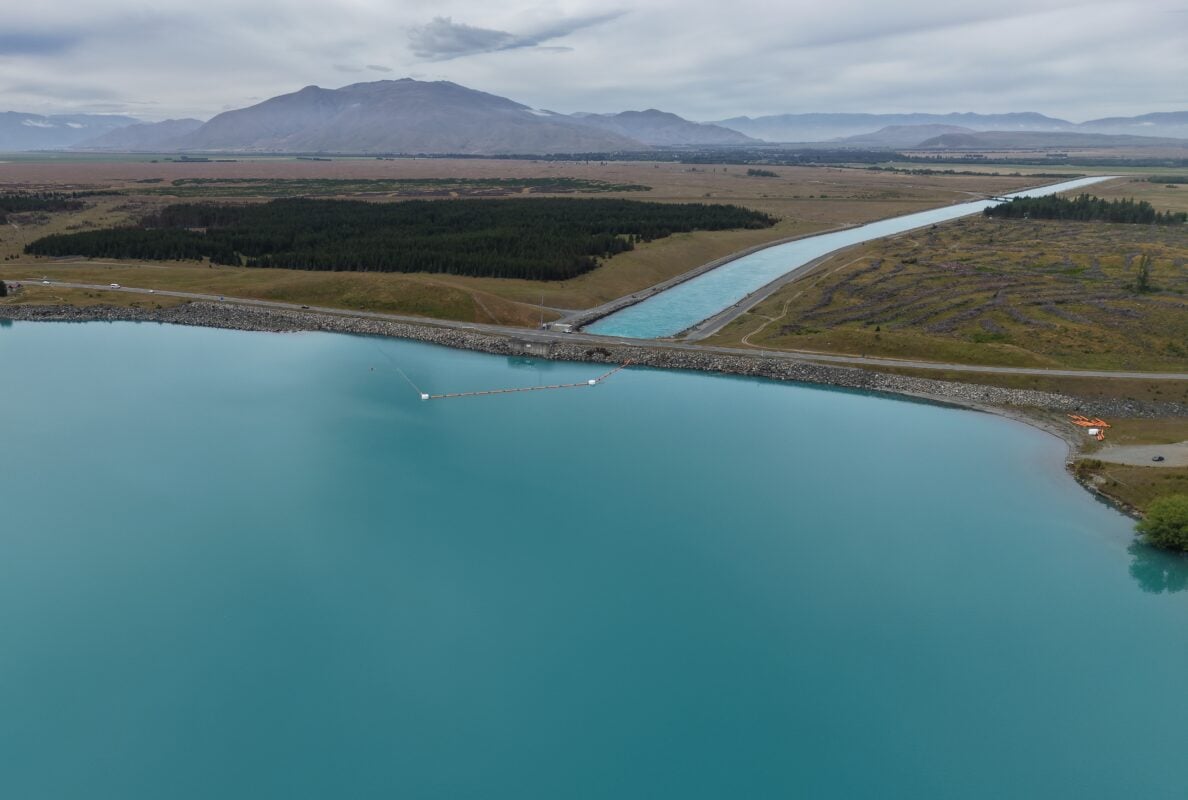
New Zealand's Meridian Energy has received a draft decision proposing to ease access restrictions on contingent hydro storage at Lake Pūkaki.
Why it matters: Regulatory shifts in hydro management can evaporate BESS arbitrage margins faster than a summer heatwave.
While European installers are busy obsessing over 2-hour lithium-ion batteries for C&I projects, New Zealand just reminded us what real grid-scale storage looks like. Meridian Energy getting the nod to tap into 545 GWh of 'contingent' hydro storage isn't just a local regulatory win; it’s a masterclass in how existing assets can suddenly shift the floor out from under the storage market.
The Nordic Parallel
For those of us building in the EU, the Lake Pūkaki decision is a mirror held up to the Nordic and Alpine regions. Norway alone holds nearly 50% of Europe’s hydro storage capacity—roughly 87 TWh. When regulators decide to 'ease restrictions' on how that water is managed, it doesn't just stabilize the grid; it destroys the price volatility that makes merchant BESS projects viable. If you're pitching a 100MW BESS project in Northern Germany or Denmark based on arbitrage, you are essentially betting against Statkraft or Vattenfall getting similar regulatory leeway to play with their 'emergency' reserves.
The 'Contingent' Trap
What Meridian is doing is moving 'contingent' storage—essentially an emergency brake—into the active market mix. This is the ultimate 'Long Duration Energy Storage' (LDES). In Europe, we are seeing similar whispers within ENTSO-E discussions regarding the 'Energy Storage Policy.' As solar penetration hits 30-40% in markets like the Netherlands or Spain, the pressure to unlock every drop of hydro for daily balancing will become irresistible. The math is simple: why pay an installer for a container of cobalt and lithium when you can just change a sub-clause in a dam's operating permit?
Stop looking at hydro as a static baseline. It is a massive, regulated battery that can be 'upgraded' with the stroke of a pen. If you’re developing storage in regions with existing hydro assets, your financial models need to account for this regulatory 'stroke-of-the-pen' risk.