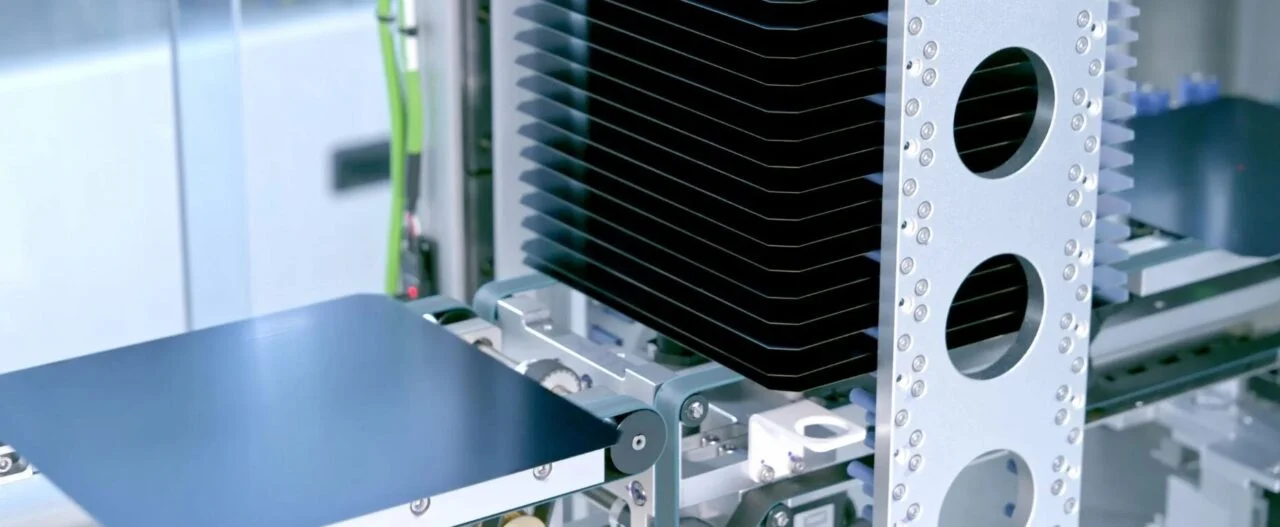
Toyo has announced plans to add 1.5GW of heterojunction technology solar cell production capacity at its Houston, Texas facility.
Why it matters: US subsidies are monopolizing the global HJT supply chain, leaving European premium installers with fewer high-efficiency options and higher prices.
This isn't just a capacity expansion; it’s a masterclass in trade-war whack-a-mole. Just weeks after their Ethiopian facility got caught in the crosshairs of the US Department of Commerce’s AD/CVD (Antidumping and Countervailing Duties) net, TOYO is fleeing to the tax-haven safety of Houston. For those of us in the EU watching from the sidelines, this is a clear signal: the 'Made in USA' label is the only shield left for manufacturers using Chinese capital or supply chains.
The HJT Premium Trap
While the European market is currently drowning in a sea of cheap TOPCon modules from Jinko and LONGi, TOYO is doubling down on Heterojunction (HJT). This is a high-stakes gamble. HJT offers better temperature coefficients and bifaciality, but it’s notoriously hard to scale without massive subsidies. In the US, they get the Section 45X tax credit—roughly $0.04 per watt for cells. In Europe? We have the Net-Zero Industry Act, which is essentially a polite suggestion compared to the hard cash the Americans are throwing around.
Why European Installers Should Care
If you’re a high-end residential installer in Germany or Benelux, you’ve likely relied on Meyer Burger or REC for your premium HJT offerings. TOYO’s move to Texas, fueled by US subsidies, means that high-efficiency cell capacity is being sucked out of the global pool and locked behind American borders. We are seeing a bifurcation of the market: the US gets the subsidized, high-tech HJT, while Europe becomes the dumping ground for standard TOPCon. If you want to offer your clients the best LCOE on constrained roof spaces, your supply chain for N-type premium glass-glass modules is about to get a lot more complicated—and expensive.
Don't expect these Houston-made cells to ever hit a port in Rotterdam. They are destined for the US domestic market to satisfy the 'Domestic Content Bonus' requirements. The real question is: who is next to jump ship from their offshore 'workaround' factories in Southeast Asia or Africa to set up shop in the land of the IRA?