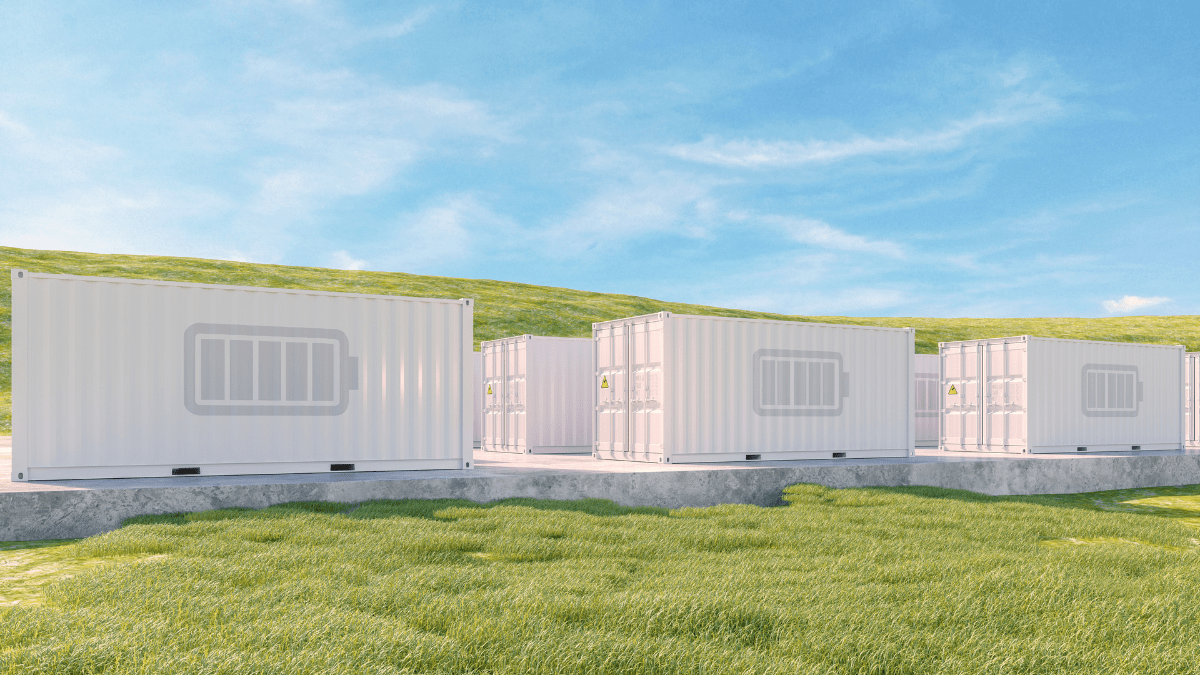
The project will not receive capital subsidies, as determined by the Hindi version of the Uttar Pradesh Solar Energy Policy 2022, supporting only state-owned utilities.
Why it matters: Stop building your business model on government handouts; if an 80MW project can survive a subsidy rug-pull, your European BESS projects must learn to stand on merchant revenue alone.
The 'State Champion' Trap
If you think European policy is a bureaucratic maze, look at Uttar Pradesh. A private utility (NPCL) just got the rug pulled out from under them because of a translation discrepancy in the state's solar policy. The Hindi version restricted subsidies to state-owned entities, leaving the private sector to foot the bill for an 80MW/320MWh asset. For European developers, this isn't just a story about Indian red tape—it’s a mirror reflecting the protectionist tendencies we see in France with EDF or the grid-access favoritism in Eastern Europe.
The Merchant Transition is Mandatory
The real takeaway? NPCL is moving forward anyway. This signals a massive shift: BESS is no longer a subsidy-dependent experiment; it’s a core infrastructure requirement. In markets like Germany or the Netherlands, where the 'SDE++' or similar schemes are becoming hyper-competitive or drying up, the message is clear: if your IRR (Internal Rate of Return) relies on a 20% capital grant to stay above water, your project is already dead. You need to be looking at multi-use cases—FCR (Frequency Containment Reserve), arbitrage, and local congestion management—rather than waiting for a government check that might never arrive.
Lessons for the European C&I Sector
We’ve seen this before during the 2012 solar feed-in tariff collapses in Spain and the UK. The survivors weren't the ones who complained the loudest; they were the ones who optimized their CAPEX and found private off-takers. Whether you're in Noida or Nuremberg, the era of 'free money' for storage is ending, and the era of the energy trader has begun.