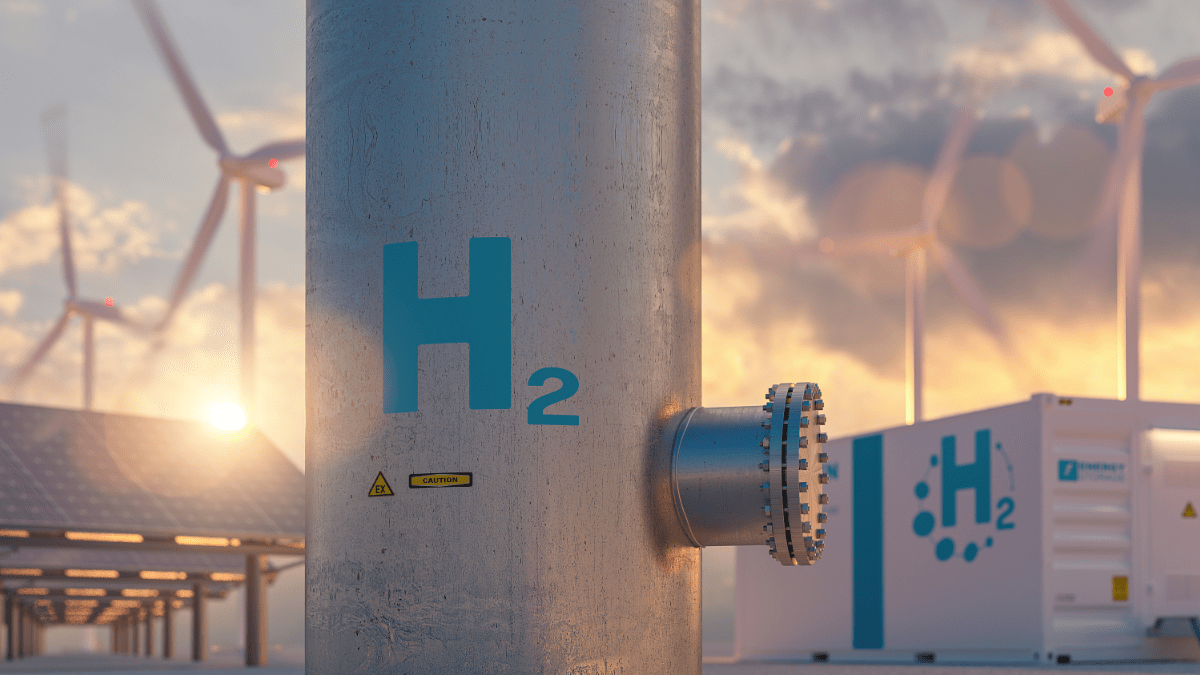
ACME Group's $4.2 billion green hydrogen project in Oman will begin commercial operations for its second and third phases in 2030 and 2033, producing 400,000 metric tonnes of green ammonia and 71,000 metric tonnes of green hydrogen annually each.
Why it matters: The dream of decentralized EU hydrogen is dying; massive Middle Eastern imports will set the price floor, forcing local developers to pivot to niche applications or high-service maintenance.
While European developers are still bickering over the fine print of Additionality Rules under the EU’s Delegated Acts, the ACME Group is moving $4.2 billion into the Omani desert. This isn't just another pilot project; it’s a terrifyingly efficient scale-up that should make every EU-based green hydrogen startup sweat. By 2033, we aren't looking at a few megawatts of electrolyzer capacity—we are looking at an industrial-scale ammonia factory designed to feed the global market.
The Brutal Math of LCOH
If you're a project developer in Germany or the Netherlands, you’re fighting for land, facing high labor costs, and dealing with an intermittent sun that’s lucky to hit 1,200 kWh/kWp. In Oman, ACME is looking at capacity factors that make European solar look like a hobby. When you combine that with the 71,000 metric tonnes of H2 output per phase, the Levelized Cost of Hydrogen (LCOH) drops to a level that domestic European production simply cannot touch without massive, permanent subsidies.
The 'Ammonia Bridge' Reality
Notice the focus on green ammonia. For the European installer or EPC firm, this is the real market signal. Ammonia is the carrier that makes hydrogen transportable. This project confirms that the future of hydrogen in Europe isn't likely to be 'homegrown' in small-scale 5MW clusters connected to C&I rooftops. Instead, it will arrive via tankers at ports like Rotterdam or Hamburg. Thyssenkrupp and Air Liquide are already positioning for this shift, and smaller players need to realize that the 'local hydrogen economy' might just be a pipe dream compared to these Gulf-to-EU pipelines.