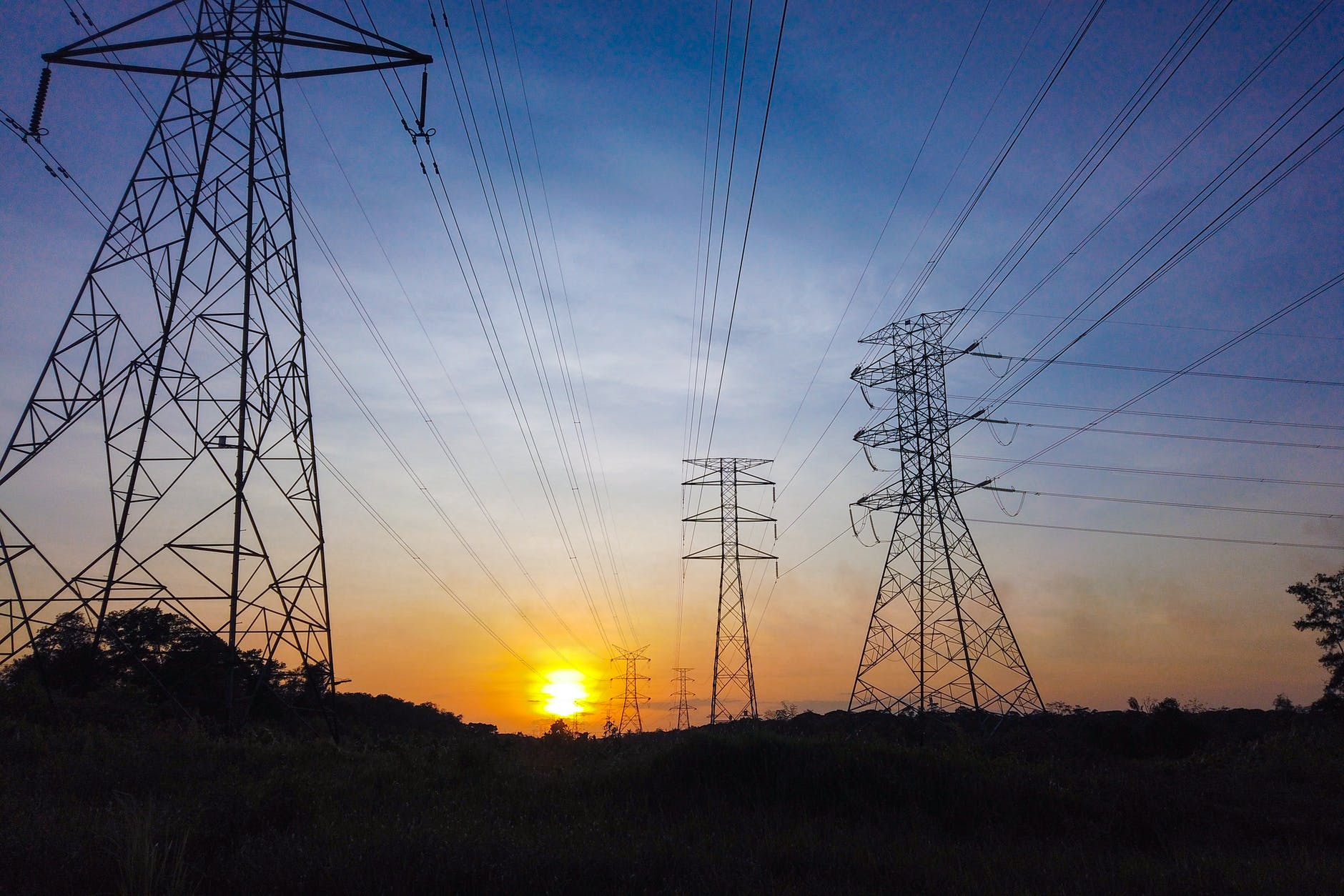
This update aligns local regulations with the new Indian Electricity Grid Code.
Why it matters: Global inverter manufacturers prioritize firmware for the strictest markets; India’s grid hardening is the blueprint for the next wave of EU interconnection hurdles.
The Global Convergence of Grid Stringency
At first glance, a regulatory update in a small Indian state like Meghalaya seems like background noise for a developer in Essen or a project manager in Lyon. It isn’t. We are currently witnessing a global 'hardening' of grid codes, where the Indian Electricity Grid Code (IEGC) 2023 is setting a pace that often outstrips ENTSO-E requirements in terms of sheer aggression toward non-synchronous generation.
When a state like Meghalaya aligns with national standards, it’s a signal that the 'wild west' days of solar—where you could dump intermittent power into a weak grid with minimal technical overhead—are officially dead. For European installers, this matters because manufacturers like Sungrow, Huawei, and SMA do not build bespoke hardware for every tiny jurisdiction. They develop global platforms. When India or Australia mandates advanced Low-Voltage Ride-Through (LVRT) or active frequency response in challenging mountainous terrain, those features become the baseline for the firmware updates that eventually land in your C&I projects in the Alps or the Pyrenees.
The Retrofit Trap
We’ve seen this pattern before. Regulations change, and suddenly 'Tier 1' inverters that were compliant six months ago require expensive communication cards or complex firmware flashes to meet new DSO demands. If you are sitting on old stock or quoting projects with multi-year lead times, you are exposed. The MSERC move is part of a broader trend where regulators are shifting the burden of grid stability entirely onto the asset owner. In Germany, we already see this with the VDE-AR-N 4110 standards; expect those 'draft' requirements in India to mirror the next wave of European mandates regarding reactive power compensation at night.
The Money Angle
If you're building a 5MW plant today, you need to be budgeting for the 'Grid Code Premium.' This isn't just about the inverter; it’s about the Power Plant Controller (PPC) and the inevitable requirement for a BESS (Battery Energy Storage System) to provide the synthetic inertia that regulators are salivating over. Don't get caught quoting 2023 prices for a 2026 regulatory reality.