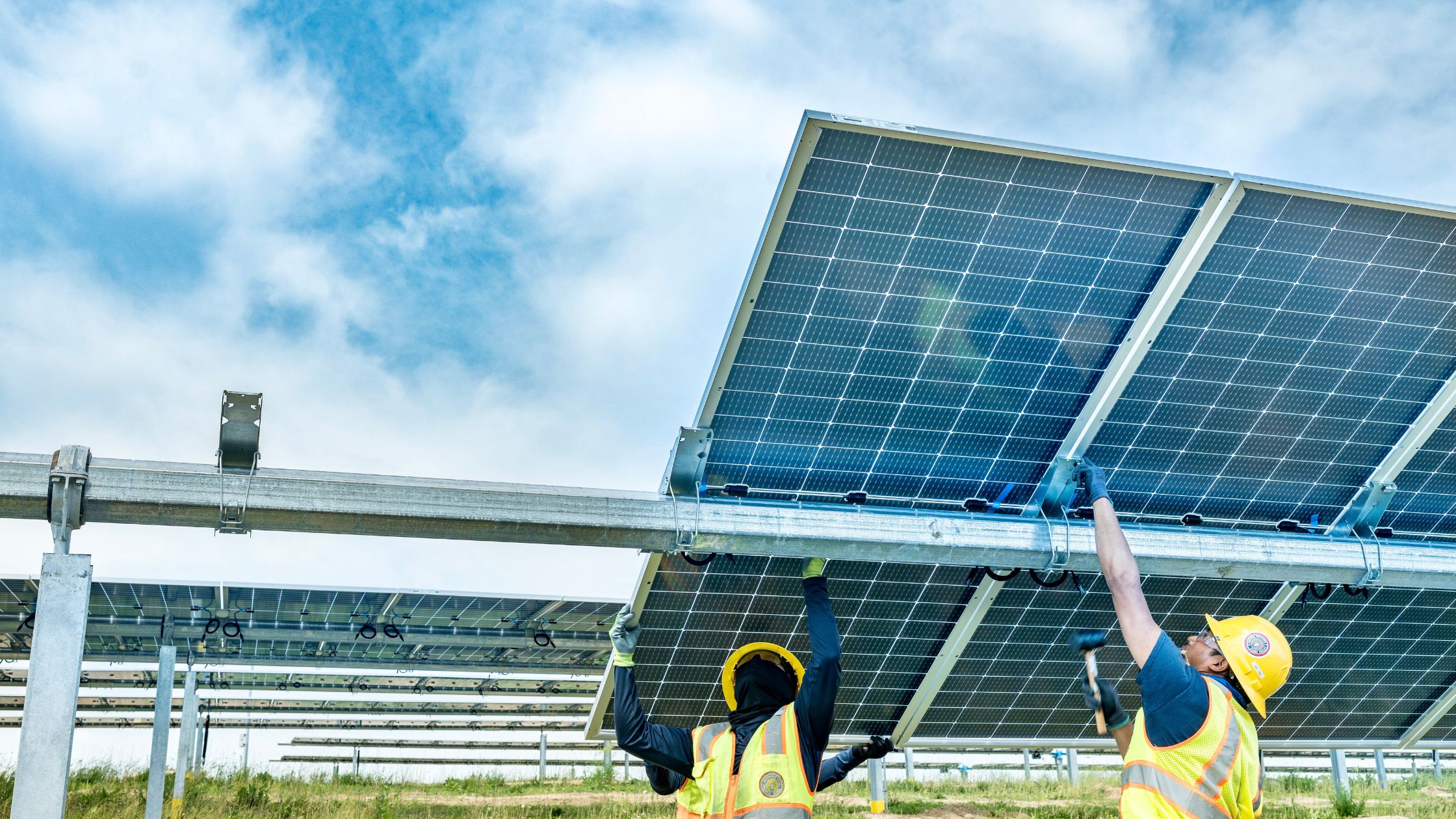
Company to exhibit tracker units at Booth A5.155 and highlight solutions built for faster construction, flexible site design, all-weather resilience, and long-term performance
Why it matters: As EU insurance premiums soar due to extreme weather, your choice of tracker stow-logic is now more important than the inverter brand for long-term project bankability.
When an American tracker heavyweight like FTC Solar doubles down on Intersolar Europe, it’s not just a vacation to Munich for the beer—it’s a calculated strike at a market that is increasingly obsessed with topography and tolerance. For years, the U.S. market was about flat, sprawling deserts. Europe? We’re building on old vineyards, sloping hills in Andalusia, and uneven terrain in the Rhine Valley. If your tracker can’t handle a 17.5% slope without massive grading costs, you’re dead on arrival in the current EU tender landscape.
The Labor Math is Changing
FTC’s focus on "faster construction" is the only pitch that matters right now for EPCs in high-labor-cost regions like Germany or France. We’ve seen mechanical installation costs creep up to nearly 15-20% of total CAPEX in some jurisdictions. If a tracker design reduces the part count—specifically the number of fasteners or the complexity of the drive system—it’s a direct margin injection. I’ve walked sites where poorly designed 2P (two-in-portrait) systems required twice the man-hours for alignment compared to a simplified 1P architecture like FTC’s Pioneer platform.
The Survival Factor
We need to talk about "all-weather resilience" without the marketing fluff. After the devastating hail events in Spain and parts of Italy over the last 24 months, insurance premiums for PV plants have skyrocketed, sometimes by 300%. A tracker is no longer just a yield booster; it’s an insurance policy. The ability of a system to hit a high-angle stow position (50 to 60 degrees) in under 60 seconds is the difference between a minor O&M ticket and a total asset write-off. FTC is clearly trying to signal they can compete with the likes of Nextracker and PVH on these survival metrics.
The bottom line: If you're visiting Booth A5.155, don't ask about yield percentages. Ask about the stow speed and the minimum pile depth for rocky soils. That’s where the real money is won or lost in 2026.