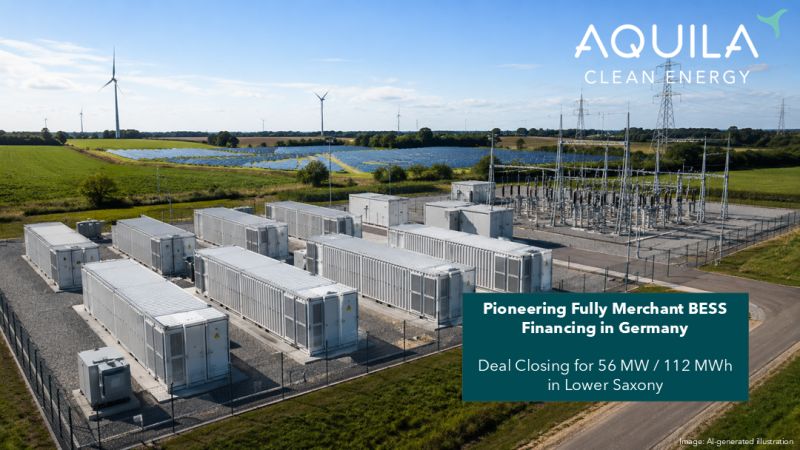
Aquila Clean Energy EMEA has financed a merchant project, Chint Solar has sold a portfolio to Second Foundation while Twaice will provide analytics on behalf of BayWa r.e..
Why it matters: The German market is shifting from 'set-it-and-forget-it' subsidies to high-stakes merchant risk where asset data determines your final exit price.
The Death of the PPA Crutch
Aquila’s move into fully merchant financing isn’t just a headline; it’s a eulogy for the old way of doing business in Germany. For a decade, developers wouldn't wake up without a 10-year PPA or a feed-in tariff (EEG) in their pocket. That safety net is fraying. With German day-ahead prices increasingly hitting zero or negative during peak solar hours—we saw over 300 hours of negative prices in 2023—the merchant model demands a level of risk management most local EPCs simply aren't equipped for.
The Secondary Market Heat Map
When Chint Solar offloads 180MWh to Second Foundation, it signals a maturing secondary market where the 'build-to-sell' strategy is thriving despite high interest rates. If you’re a mid-sized installer or developer, pay attention to who is buying. These aren't utility fossils; they are specialized asset managers who value operational data over historical yield. This is where the BayWa r.e. and Twaice deal becomes the blueprint. If you aren't using advanced battery analytics for a project on the scale of 282MWh, you aren't managing an asset; you’re babysitting a liability.
Survival Checklist for the Post-Subsidy Era