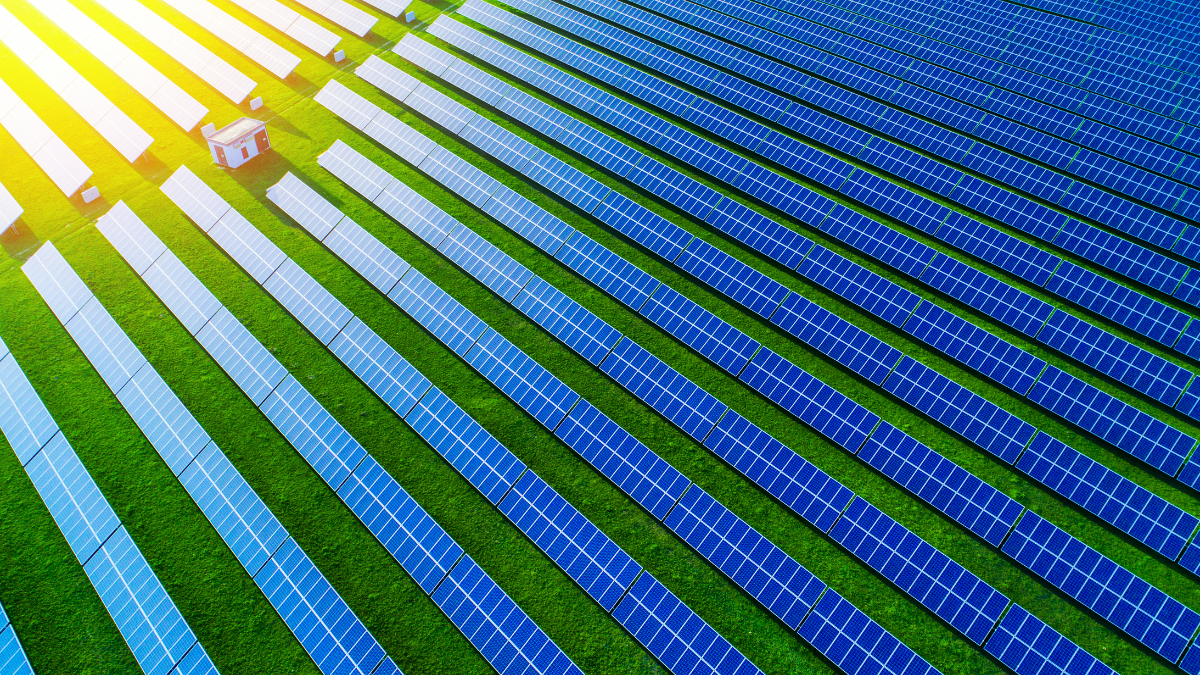
Juniper Green Energy has launched 305 MW of renewable energy in Gujarat, bolstering its portfolio through solar (183 MWp) and wind (122 MW) projects.
Why it matters: India's rapid hybrid deployment is hoarding the global supply chain, meaning your next project's hardware lead times just got longer.
While European developers are busy navigating the labyrinthine requirements of the Renewable Energy Directive (RED III) and waiting years for a single transformer, Juniper Green Energy just delivered a 305 MW masterclass in Gujarat. This isn't just about the scale; it’s about the hybridization strategy and the speed of execution that should make every EPC in the EU take a hard look at their project management software.
The Hybrid Efficiency Play
By pairing 183 MWp of solar with 122 MW of wind, Juniper isn't just selling electrons; they are selling a smoother generation profile. In markets like Germany or the Netherlands, where grid congestion is the primary killer of C&I and utility-scale projects, the 'solar-only' model is becoming a liability. We’ve seen dozens of projects in the Iberian Peninsula stuck in 'permitting purgatory' because they lack the firming capacity that wind or BESS provides. Juniper’s ability to commission ahead of schedule suggests a streamlined procurement and land-acquisition model that European regulators are still only dreaming about.
The Supply Chain Warning
If you are an installer in Poland or Italy wondering why your Tier 1 inverter delivery is delayed, look no further. When massive portfolios like this hit milestones ahead of schedule in India, they swallow up the global supply of high-capacity central inverters and mounting structures. Manufacturers like Sungrow, Huawei, and Nextracker will always prioritize 300MW+ 'ahead of schedule' projects over fragmented European orders. This is a market signal: the 'Global South' is no longer a secondary market; it is the primary competitor for the hardware you need for your 2025 pipeline.