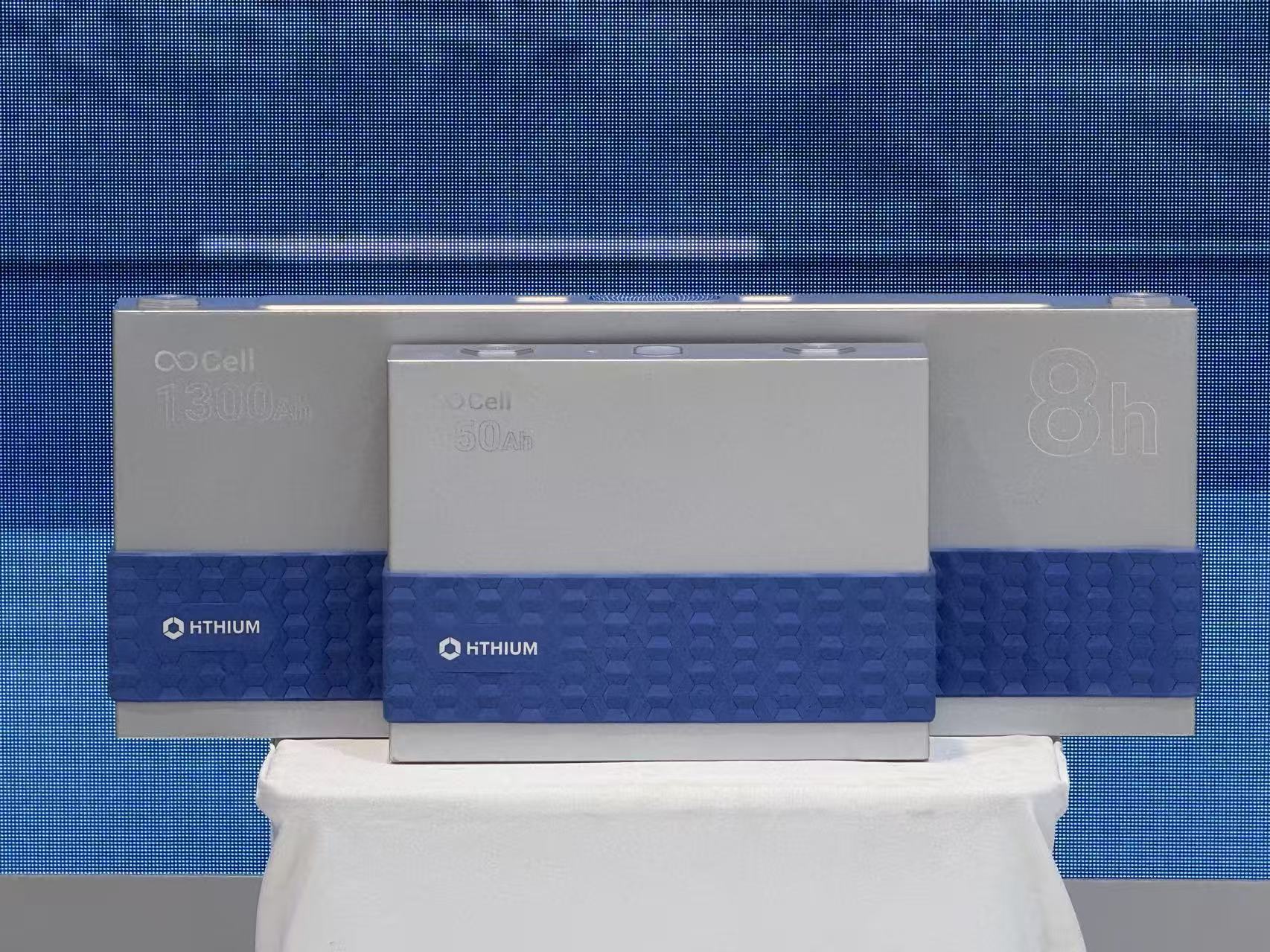
El fabricante chino Hithium presentó la versión comercial de su celda LFP Cell de 1.300 Ah y el sistema contenerizado Power de 6,9 MW/55,2 MWh para hasta ocho horas de almacenamiento.
Why it matters: The shift to 8-hour storage means your solar-only projects are obsolete; integrate long-duration BESS now or watch your margins disappear into zero-price midday hours.
The Death of the Four-Hour Standard
For years, the industry has treated four-hour storage as the gold standard for utility-scale projects. Hithium just moved the goalposts to eight. By packing 55.2 MWh into a single containerized system, they aren't just improving density; they are fundamentally changing the revenue model for solar developers in high-penetration markets like Spain and Portugal. If you're still modeling your ROI on 2-hour peak shaving, you're bringing a knife to a gunfight.
Why Navarra Matters
Hithium isn't just dumping hardware from a ship in Valencia; their planned factory in Navarra is a strategic play for 'Made in Europe' residency. This is a direct response to the increasing pressure for local content in EU tenders and the looming shadow of the Net-Zero Industry Act (NZIA). For a developer, a local factory means shorter lead times and, crucially, a support line that operates in your time zone. I’ve seen too many projects stalled because a Tier-1 manufacturer’s tech support was asleep in Shenzhen when a BMS faulted in Extremadura.
The Engineering Gamble: 1,300 Ah Cells
The move to a 1,300 Ah LFP cell is a massive leap from the current 280 Ah or 314 Ah industry standards.
The Bottom Line
In the Iberian market, where midday prices are hitting zero or turning negative with alarming frequency, the ability to shift 8 hours of production isn't a luxury—it's the only way to keep a PPA bankable. Hithium is betting that the market will value duration over raw power (MW), and looking at the 2025-2030 price forecasts, they are absolutely right.