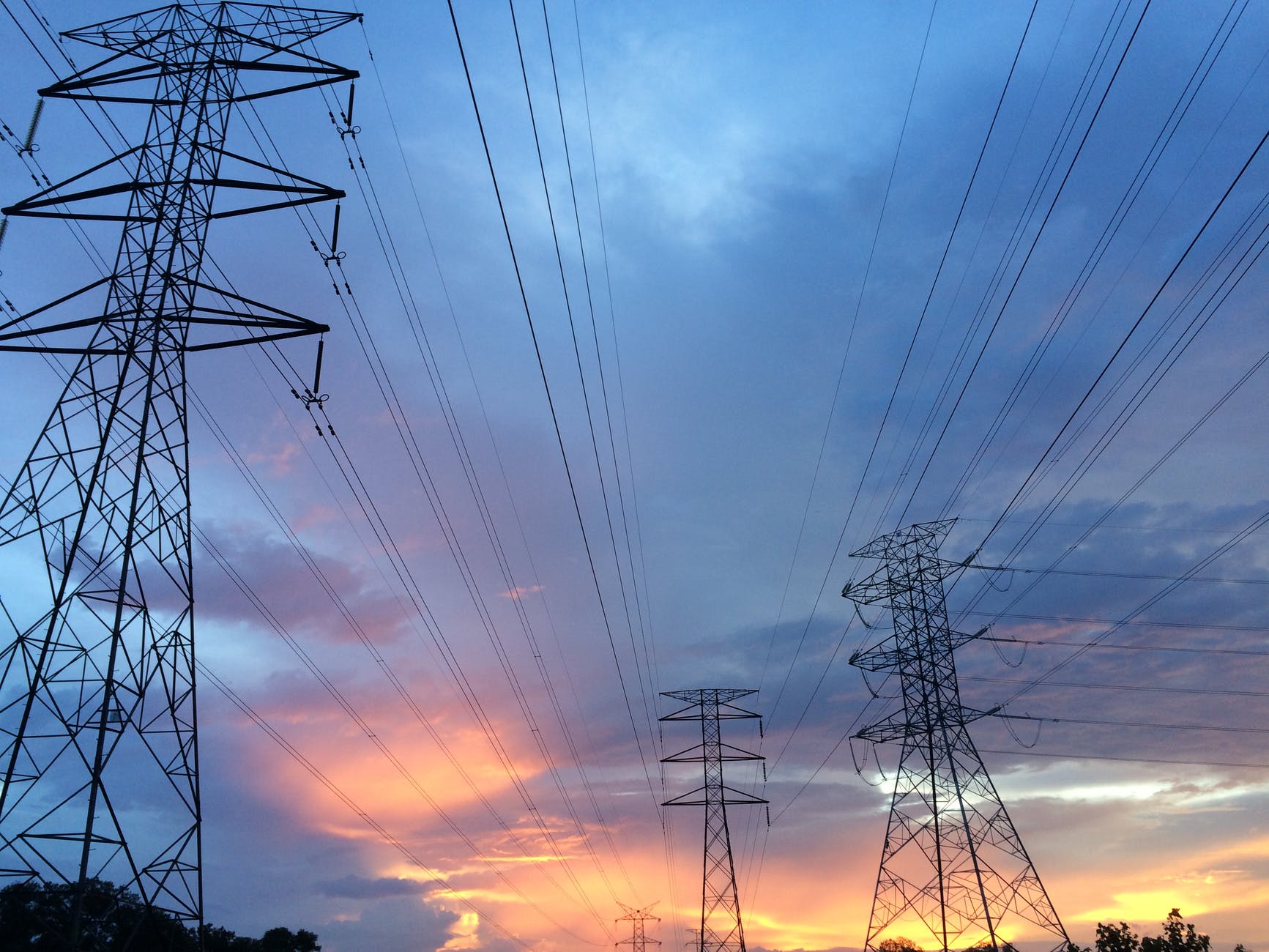
The amendment proposes essential changes, including new technical standards for a 1150 kV AC transmission system and improved guidelines for integrating renewable energy, enhancing infrastructure reliability, and safety measures for substations.
Why it matters: India's push for 1150 kV equipment will monopolize the manufacturing capacity of global transformer suppliers, further extending lead times for European utility-scale solar projects.
On the surface, a deadline extension from India’s Central Electricity Authority (CEA) is the kind of bureaucratic fluff that usually gets filed in the bin. But look at the technical core of this Amendment-II: 1150 kV AC transmission. While European TSOs are still mired in local permitting hell for 380 kV lines and debating the merits of 525 kV HVDC undergrounding, India is codifying the standards for an Ultra High Voltage (UHV) backbone that makes our national grids look like a collection of hobbyist circuits.
The Supply Chain Vacuum
If you’re a utility-scale developer in the EU, this isn’t just 'India news'—it’s a threat to your CAPEX. The global heavy-electrical giants, specifically Siemens Energy, Hitachi Energy, and GE Vernova, are the only players capable of servicing this UHVAC equipment. When India sets 1150 kV standards, it signals a massive upcoming demand for high-spec transformers and switchgear. In a market already reeling from 24-month lead times on power transformers, a subcontinent-wide build-out of UHVAC will suck the oxygen out of the manufacturing room. Your 220kV substation order for a project in Brandenburg or Extremadura just got bumped down the priority list.
RE Integration: A Parallel Struggle
The draft’s focus on renewable energy integration guidelines mirrors the headaches we see with ENTSO-E’s network codes. India is attempting to solve the same problem we face: how to keep a grid stable when you’re dumping GWs of intermittent solar into aging infrastructure. However, their approach is 'brute force'—building bigger, higher-voltage pipes to move power across a continent. In Europe, we rely on digital flexibility and localized BESS. Watch these standards closely; if India’s UHVAC approach succeeds in stabilizing their volatile solar input, expect a renewed (and expensive) debate about 'Super-Grids' vs. decentralized micro-grids in Brussels.
The takeaway: This isn't just about India. It's about where the limited production capacity of the world's power engineering giants will be allocated for the next decade.