The country added over 21 GW of solar capacity in early 2026.
Why it matters: India's massive scale is shifting global hardware priority away from Europe, meaning your equipment lead times are about to get much more volatile.
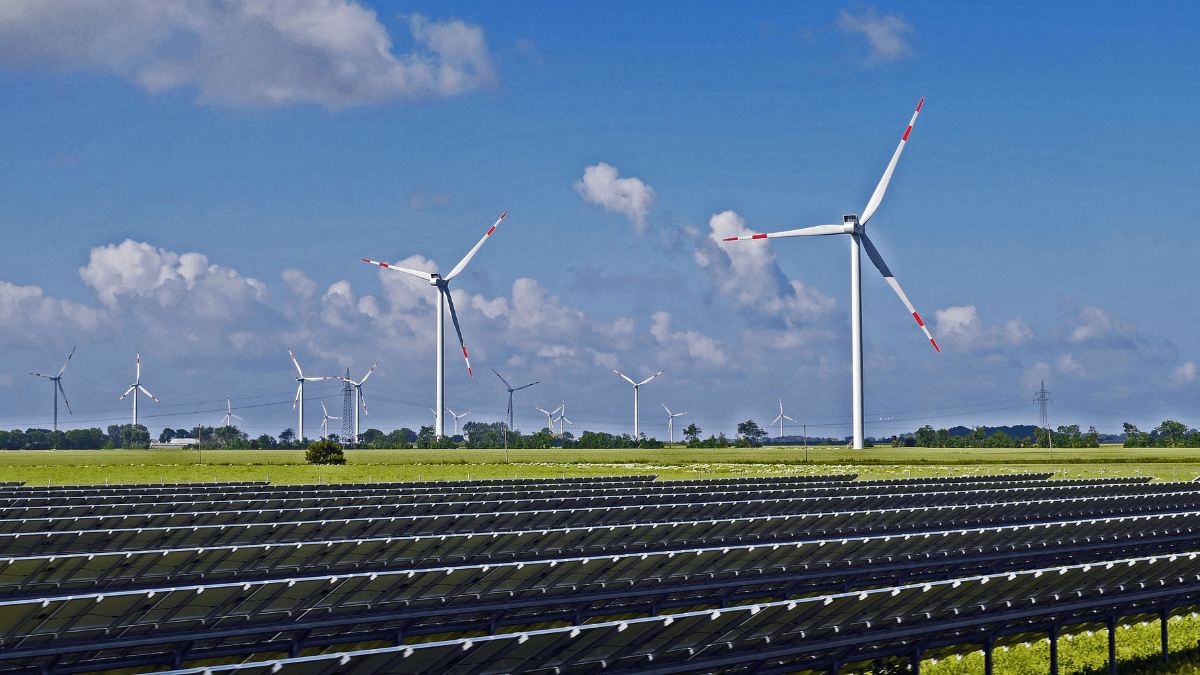
The country added over 21 GW of solar capacity in early 2026.
While European developers are busy navigating the bureaucratic labyrinth of the Renewable Energy Directive (RED III) and waiting months for grid impact studies, India is simply outbuilding everyone. Adding 21 GW in just five months is a staggering pace—roughly 140 MW of new capacity hitting the grid every single day. For perspective, that five-month sprint is nearly equivalent to Germany’s entire record-breaking solar addition for the whole of 2023.
The Supply Chain Vacuum
This isn't just a feel-good story about global decarbonization; it’s a direct threat to the hardware availability of every C&I installer in the EU. When developers like Adani Green Energy or Reliance Industries place orders for multi-gigawatt utility clusters, they don't just buy panels—they suck up the global supply of high-voltage string inverters and specialized power electronics. If you’re a mid-sized installer in Benelux or Poland, you are now competing for the same IGBT chips and semiconductor allocations as a subcontinent that is building at five times your speed. We’ve seen this pattern before: when a single market overheats, lead times for Tier-1 brands like Sungrow or Huawei start to creep up globally.
Protectionism as a Growth Engine
India’s success is fueled by the ALMM (Approved List of Models and Manufacturers), a protectionist wall that makes the EU’s tentative domestic manufacturing subsidies look like a school project. By mandating domestic content, India has forced a manufacturing ecosystem into existence. For European pros, the signal is clear: the "cheap Chinese panel" era is being complicated by massive regional demand centers that will dictate pricing more than any local EU regulation ever will. If you aren't securing your 2027 component pipeline now, you're betting your margins on the leftovers of the Indian and US markets.