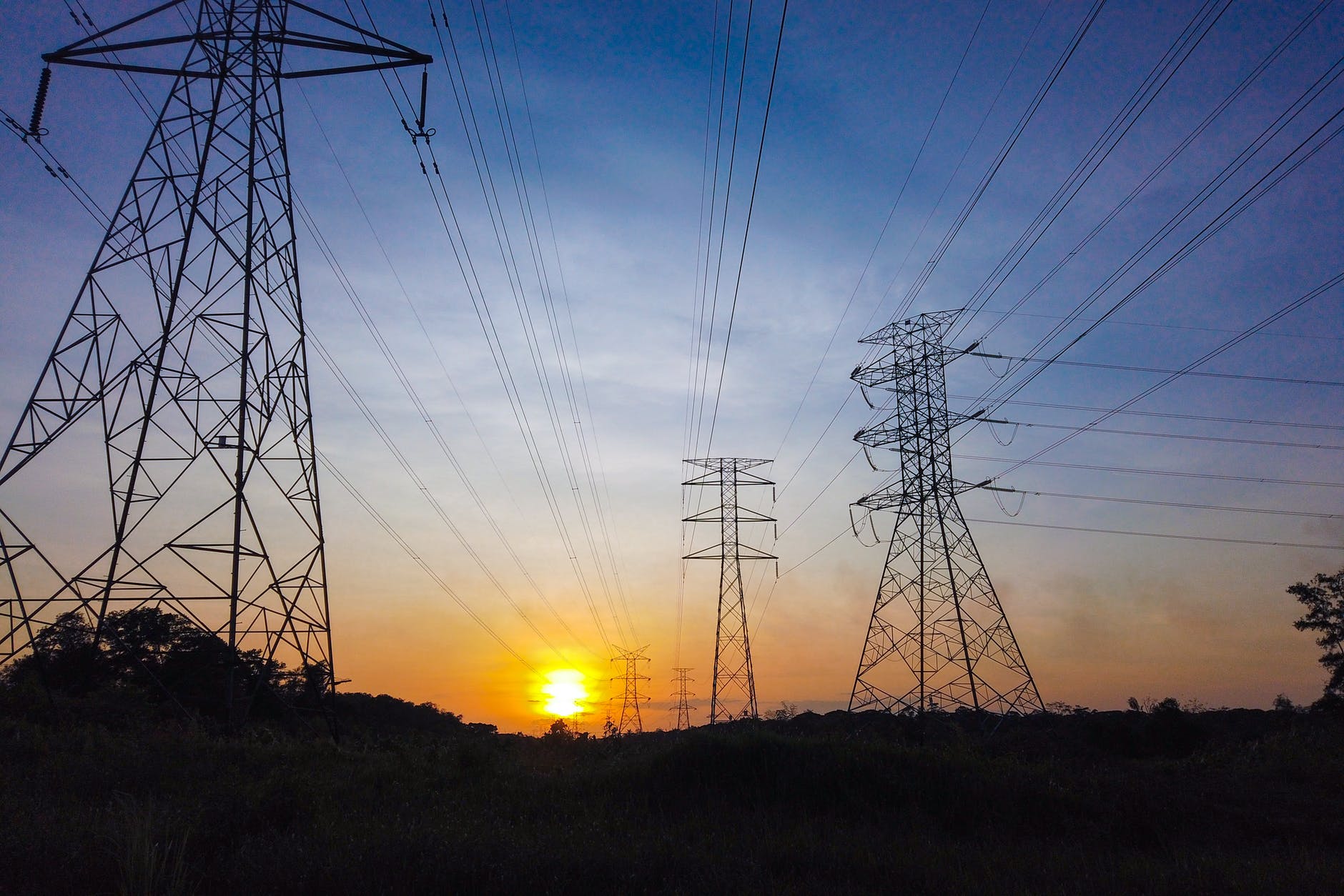
The Kenyan government has retracted a proposal by Kenya Power and Lighting Company to raise electricity tariffs, offering relief to consumers.
Why it matters: Artificial price caps kill the financial incentive for commercial solar, forcing installers to pivot their sales pitch from cost-savings to grid-independence.
On the surface, this looks like a win for the Kenyan consumer, but for the European EPCs and developers eyeing the East African C&I (Commercial & Industrial) market, it’s a flashing yellow light. When a government steps in to block a utility like Kenya Power and Lighting Company (KPLC) from adjusting rates to reflect actual costs, they aren't just 'protecting households'—they are artificially inflating the payback period for every solar project in the pipeline.
The ROI Math Just Broke
Solar sales in emerging markets rely on a simple delta: the gap between the utility's high, unreliable tariff and the Levelized Cost of Energy (LCOE) of a rooftop PV system. In Kenya, commercial rates have hovered around $0.12–$0.15/kWh. A hike would have pushed more manufacturers toward 500kW+ onsite installations. By freezing the tariff, the government has effectively extended the ROI of a typical Victron or SMA-powered hybrid system by eighteen to twenty-four months. For a CFO in Nairobi deciding whether to sign a PPA with a European developer, that delay is often enough to kill the deal.
The Utility Death Spiral, Exported
We’ve seen this pattern before in markets like South Africa and even parts of Eastern Europe. A state utility is cash-strapped and failing to maintain infrastructure. They ask for a hike to survive; the government denies it to avoid unrest. The result? KPLC won't have the CAPEX to upgrade a grid that is already notorious for voltage fluctuations. For installers, this means you can't just sell 'solar'—you have to sell 'resilience.' If the grid price stays low but the grid quality stays poor, your sales pitch must pivot from 'saving money' to 'staying open when the lights go out.'
The takeaway for EU firms: Don't compete with subsidized grid prices. If you're bidding on projects in Kenya or similar jurisdictions, your value prop must be 100% focused on energy security and peak shaving, because the political class will always choose cheap, dirty power over a transparently priced green transition.