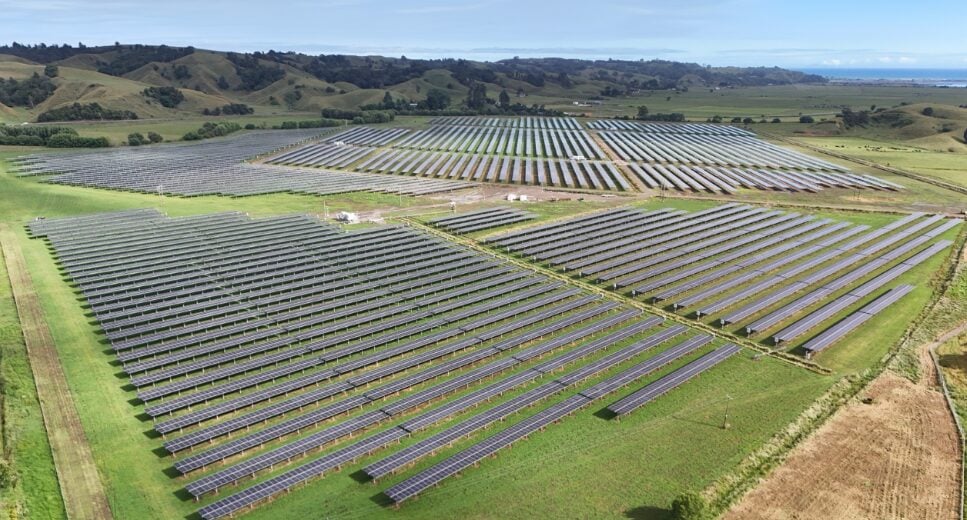
Lodestone Energy & Centralines have confirmed that construction will begin this spring on a NZ$50 million solar PV power plant in New Zealand.
Why it matters: If a 31MW project can reach FID at €0.90/Wp in a merchant market, your lower-cost European projects have more margin than your CFO is letting on.
The 'Island Premium' Reality Check
To the average EPC in Germany or Spain, a NZ$50 million price tag for a 31.5MWdc plant sounds like a clerical error. We are looking at roughly €28.3 million, which pencils out to nearly €900/kWp. In a world where European utility-scale developers are sweating to keep CAPEX below €600/kWp, Lodestone’s project in the Hawke’s Bay region looks catastrophically expensive on paper. But look closer: this is a masterclass in navigating high-cost, isolated markets that lack the massive logistics clusters of Rotterdam or Hamburg.
Why the Math Still Works
New Zealand is a merchant-heavy market with high retail power prices and a grid dominated by aging hydro and geothermal assets. Lodestone isn't building this on the back of a cozy Feed-in Tariff. They are playing the long game on Corporate PPAs. For a European developer, the signal here is clear: stop obsessing over the lowest possible hardware cost and start looking at the revenue delta. If Lodestone can make the IRR work at €0.90/Wp with Kiwi labor rates and the logistics nightmare of shipping Tier 1 modules to the bottom of the world, your 50MW project in Portugal or Poland—with much lower balance-of-system costs—is a license to print money if you can secure the right off-taker.
The Grid Integration Play
The partnership with Centralines (the local lines company) is the real strategic move. In the EU, we often treat DSOs as the enemy or a bottleneck. Lodestone is treating them as a co-developer. This 31.5MW plant isn't just dumping power; it’s providing local grid support in a region prone to climate volatility. If you’re a developer in the Netherlands or East Germany facing curtailment or connection delays, the Lodestone model of 'Grid-First' development is the only way you’ll be building anything larger than a backyard shed by 2026.