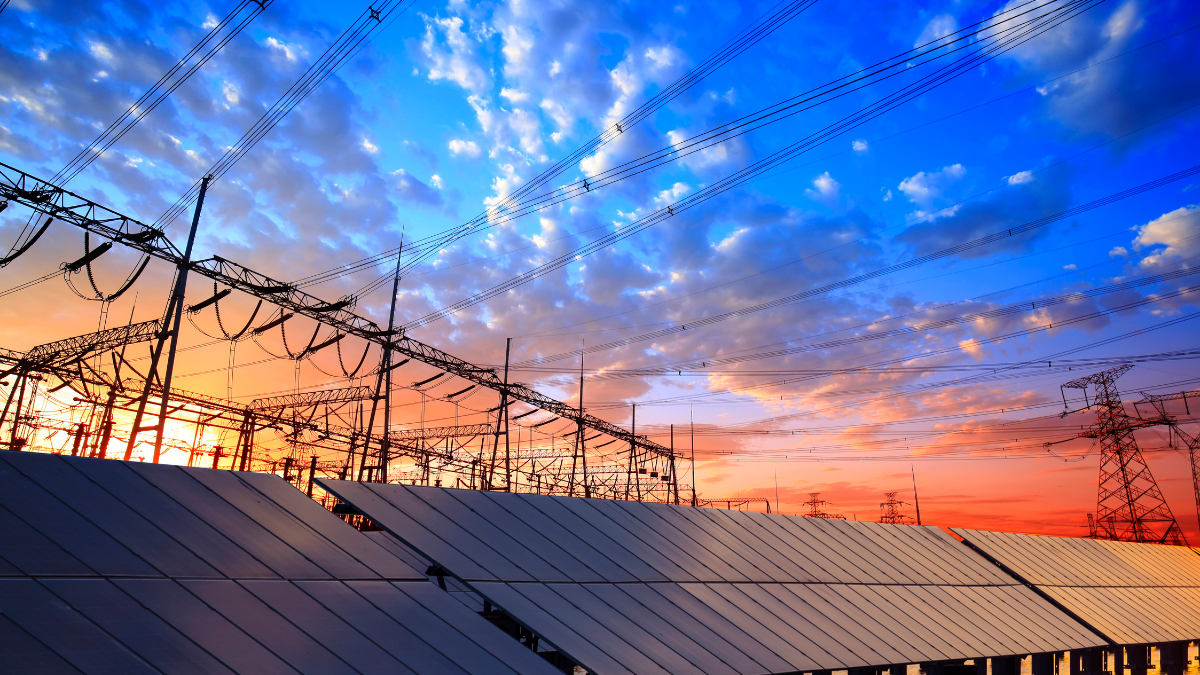
The plan emphasizes renewable energy, particularly solar power, and upgraded infrastructure for both electricity management and water quality monitoring.
Why it matters: Water scarcity is turning solar from a 'green option' into a 'utility must'—watch Qatar's technical specs to see the future of high-heat European PV.
Don’t dismiss Qatar’s Kahramaa 2030 roadmap as just another petro-state greenwashing exercise. For developers and EPCs in Southern Europe—specifically Spain, Greece, and Portugal—this is a preview of the water-energy nexus that will define the next decade of C&I and utility-scale projects.
The Engineering Reality
While European installers are currently obsessed with battery storage arbitrage, Qatar is solving a more existential problem: powering desalination without burning gas. When Kahramaa talks about "modernizing the grid" alongside "water security," they are signaling a shift toward massive, dedicated solar-to-water loads. We’re seeing the deployment of N-type TOPCon modules pushing 700W+ and sophisticated tracking algorithms designed to survive high-albedo, high-heat environments. If you are building in the dust-prone regions of Andalusia or the Alentejo, the O&M data coming out of these Qatari projects is your future Bible.
Follow the Capital and the Specs
European giants like TotalEnergies and Marubeni are already deeply embedded in this region. The technical requirements Kahramaa is baking into their tenders—specifically regarding inverter resilience in 50°C+ ambient temperatures and automated robotic cleaning systems—will eventually become the standard for any project south of the Alps as heatwaves intensify. We’ve seen this pattern before: extreme environments dictate the next generation of hardware durability.
This isn't just about Qatar hitting a 2030 target; it's a stress test for the hardware you'll be installing in five years. If a string inverter can survive a Qatari summer while powering a desalination plant, it’ll handle anything the European climate throws at it.