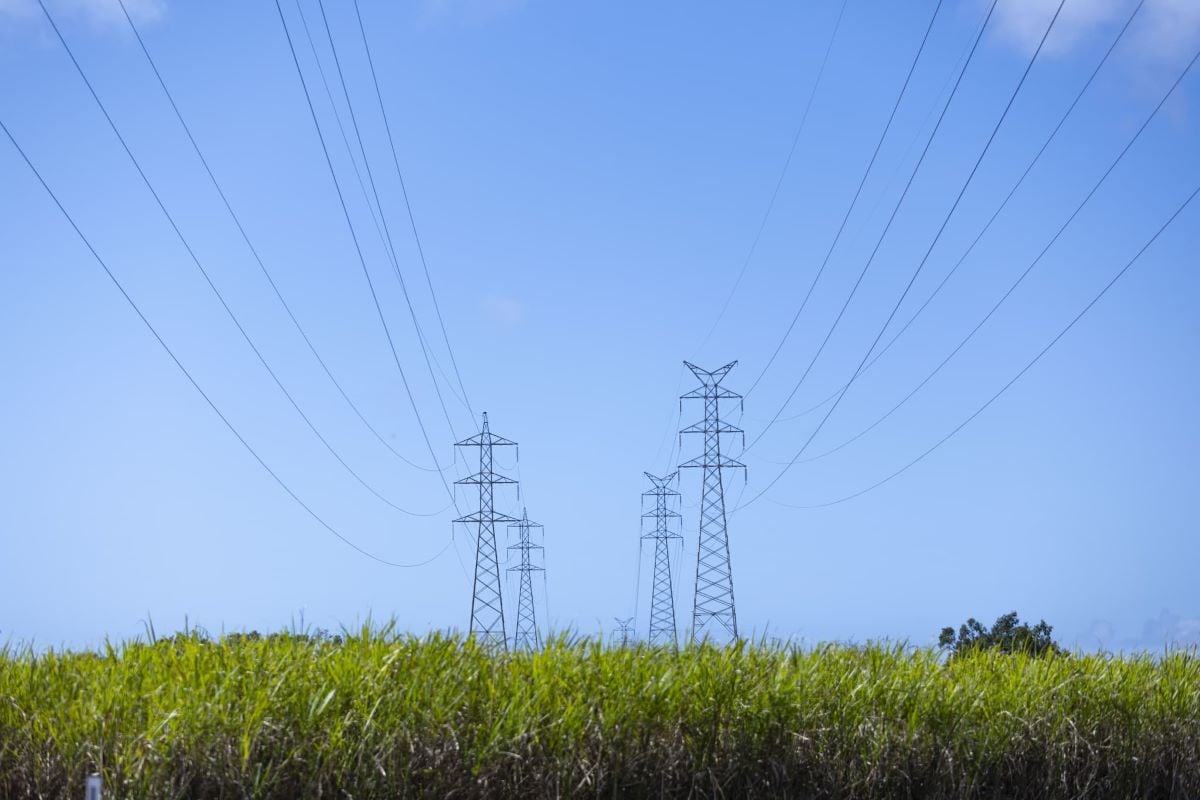
Australia’s Queensland has allocated AU$3.2 billion to the CopperString transmission project in its 2026-27 State Budget.
Why it matters: Grid queues are the #1 killer of EU solar margins; Queensland proves that solving it requires state-led 'overbuilding' rather than the incremental, reactive upgrades currently stalling European projects.
While European developers spend half their lives refreshing their emails for a grid connection update from TenneT or REE, Queensland is putting AU$3.2 billion (€1.97bn) on the table to build infrastructure ahead of demand. The CopperString project isn't just about wires; it’s a strategic strike to unlock the North West Minerals Province. For a European solar pro, this is the 'Build It and They Will Come' philosophy that our own regulators are too timid to adopt.
The 'Chicken and Egg' Death Loop
In markets like the Netherlands or Poland, we are stuck in a cycle where grid operators won't expand until the capacity is proven, and developers won't build until the capacity is guaranteed. Queensland’s move effectively de-risks the next 10 years of solar and wind development in a single budget cycle. They are connecting high-load mining centers directly to high-yield renewable zones. If you’re a developer in Spain looking at the 2021-2026 Transmission Plan, you know that the €7bn allocated there is barely keeping pace with existing curtailment, let alone facilitating growth.
Why This Hits Your Margin
We’ve seen this pattern before: when the grid is an afterthought, negative pricing and curtailment become the default. In Australia, they’ve realized that a stranded asset is the most expensive kind of energy. For those of us building in Europe, the takeaway is clear: stop scouting sites based solely on irradiance. Start scouting based on the state’s willingness to spend on high-voltage backbones. A 100MW project with an AU$3.2bn transmission guarantee is worth ten times a project sitting in a five-year queue in Brandenburg or Puglia.