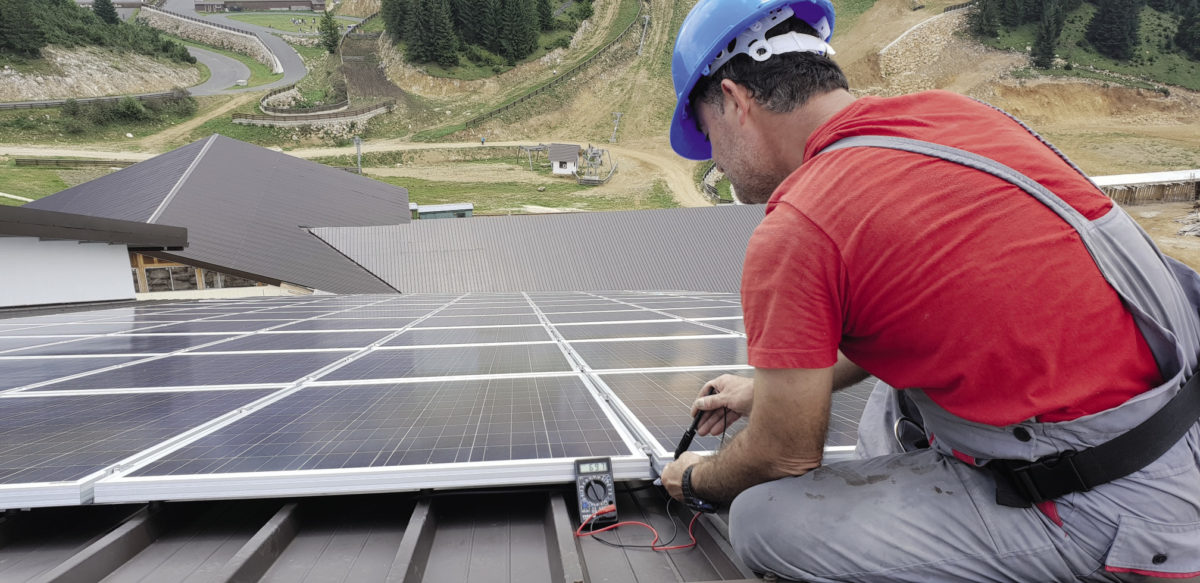
El contrato, que se divide en tres lotes, dispone de un presupuesto total de 384.989 euros y un plazo de presentación de ofertas abierto hasta el 30 de junio.
Why it matters: Public tenders like Sant Andreu's are vanity projects for your portfolio but cash-flow killers if you don't price in the 90-day payment delays and fragmented logistics.
At first glance, a budget of €384,989 for a 300 kWp portfolio looks like a healthy chunk of change. We’re talking about roughly €1.28 per watt-peak. In a world where Tier 1 modules from the likes of Jinko or LONGi are languishing at €0.11/Wp in European warehouses, your bill of materials (BOM) should be comfortably low. But if you’ve spent any time bidding for municipal work in Catalonia, you know the "ordinary processing" (tramitación ordinaria) mentioned here is where the profit goes to die.
The Hidden Costs of 'Ordinary' Bureaucracy
While private C&I projects are moving toward rapid-fire execution, Spanish public tenders remain a different beast. Here is why that €1.28/Wp figure is deceptive:
The Strategy for the Bid
If you’re going for this, don't compete on price alone—someone will always be willing to go bankrupt faster than you. Instead, focus on Life Cycle Costing. With electricity prices in the Iberian market (OMIE) showing extreme volatility and midday cannibalization, the value isn't just in the installation; it's in the O&M contract that follows. If you aren't baking in a robust monitoring suite to prove performance to a skeptical town council, you're leaving the only real long-term money on the table.