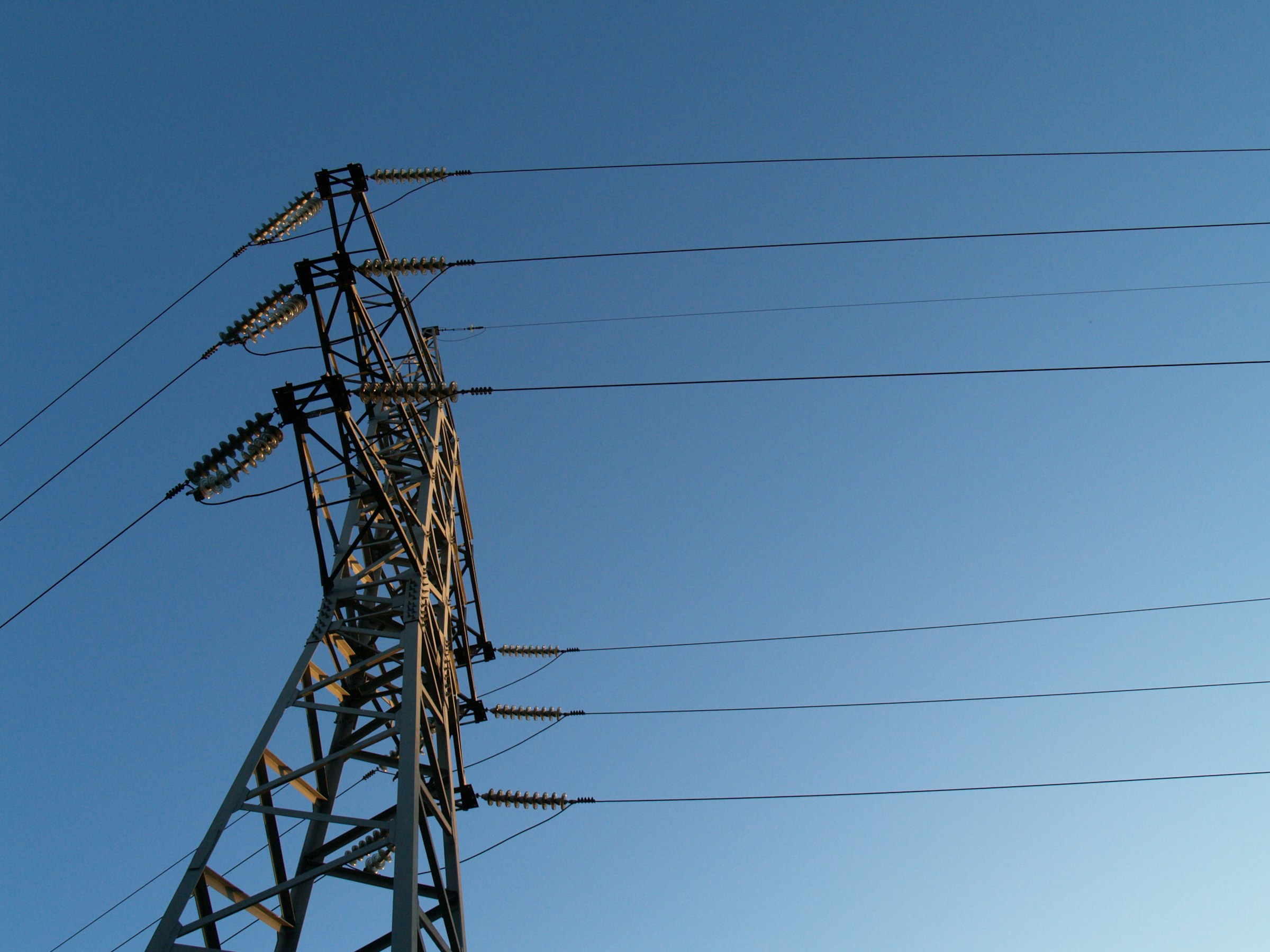
Según la IEA, el principal reto de la transición ya no es la ambición climática, sino acelerar el despliegue de infraestructuras, proyectos y mercados energéticos.
Why it matters: Record installations are hitting a grid-capacity wall; if you aren't integrating storage and smart EMS now, your projects will face zero-value pricing and connection rejections.
We just hit a staggering 800 GW of new renewable capacity globally, yet carbon emissions are still climbing. For the average European installer or project developer, this isn't just a climate paradox—it’s a massive business risk. We are officially entering the 'Infrastructure Wall' phase of the energy transition, where the ability to bolt a module to a roof is far less valuable than the ability to secure a grid connection.
The Death of the 'Solar-Only' Business Model
If you are still selling pure PV without a storage or load-management strategy, you are building obsolescence into your clients' portfolios. In markets like Spain and the Netherlands, we’ve already seen 'cannibalization' drive midday spot prices to zero or negative. The IEA’s warning about 'market deployment' is code for: the grid can't swallow any more unmanaged electrons. If you're a developer in Germany dealing with the 18-month wait for a transformer, or an installer in Poland facing 60-80% grid rejection rates for new C&I projects, you know this isn't a future threat—it's today's bottleneck.
The Copper Crunch is the New Module Shortage
Forget the silicon price wars. The real war is in the balance of system (BOS) and medium-voltage infrastructure. The European Commission estimates that €584 billion in grid investment is needed by 2030 to meet our targets. But capital is getting pickier. As the IEA notes, financing is tightening. Investors are no longer impressed by 'installed capacity'; they want 'delivered energy.' This means your 5MW project in Andalusia is worth less than a 2MW project with an integrated 4MWh BESS that can arbitrage the evening peak.
Practical Pivot for 2025