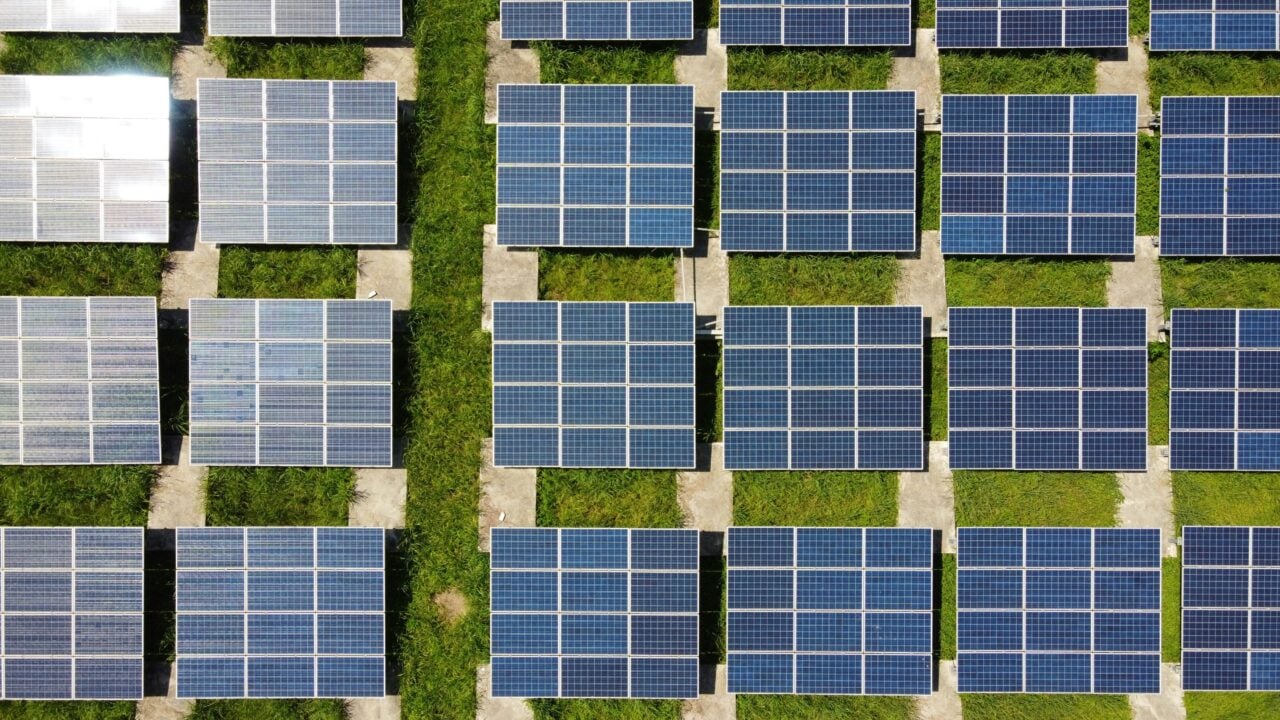
Despite technical challenges, co-locating solar PV and BESS could provide an answer to many of Europe's renewable energy challenges.
Why it matters: Negative power prices and grid congestion are killing pure-solar ROIs; storage is the only way to protect your client's margins and your own pipeline.
The Era of 'Dump and Run' Solar is Dead
If you're still pitching 100kW+ C&I systems without a battery in 2024, you're not just an installer; you're a liability to your client’s ROI. Look at the German market—negative prices are no longer a freak occurrence; they are a structural feature of Sunday afternoons. When the EPEX SPOT price dives to -€50/MWh, your customer isn't just 'not making money'; they are literally paying to keep the lights on for their competitors. This is where co-location shifts from a luxury 'green' add-on to a hard-nosed survival mechanism.
The Hidden Math of the Hybrid PPA
We’re seeing a massive shift in how projects are financed across the continent. In Spain, developers are realizing that a pure solar PPA is a race to the bottom due to massive price cannibalization. However, adding a 2-hour BESS changes the game. By shifting just 20% of your daily generation into the evening peak—typically 19:00 to 21:00—you can often increase the blended PPA price by 15-25%. This isn't theoretical; major players like Statkraft and Grenergy are already baking this into their 1GW+ pipelines to de-risk their portfolios.
Stop Waiting for the Grid; Hack the Capacity
The most pragmatic reason for co-location? Grid capacity constraints. In the Netherlands and parts of Poland, the wait for a new grid connection is now measured in years, not months. If you have a 1MW connection and a 2MW solar array, a BESS allows you to 'shave' that excess generation into the battery and discharge it when the sun goes down. You’re effectively doubling your revenue potential on the same copper wire. If you aren't explaining this 'connection hacking' to your C&I leads, you're leaving the biggest margin on the table. The future isn't about how much you can generate; it's about how much you can control.