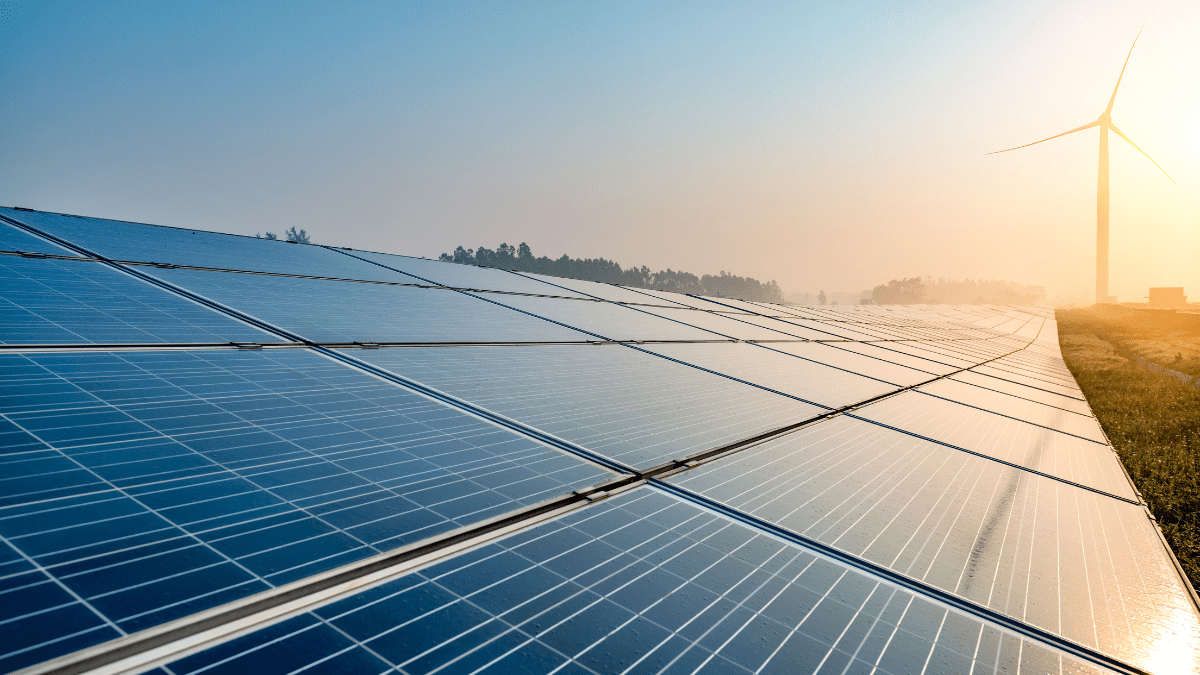
Solar and energy storage accounted for 91% of additions, driven by utility demand and AI infrastructure needs.
Why it matters: The AI-driven solar boom in the US is the pilot program for Europe’s upcoming shift toward mandatory storage-plus-solar for all large-scale C&I projects.
The headline 7.8 GW figure is impressive, but the real story for any European developer worth their salt is the 91% integration rate of solar and storage. In 2026, we aren't just selling "clean energy" anymore; we are selling 24/7 uptime to tech giants. If you’re a developer in Frankfurt, Dublin, or the Netherlands, this US trend is your immediate future. AI clusters don't sleep, and they have zero patience for the intermittency of a standalone PV plant.
The AI Power Suck and the 'Firming' Premium
The U.S. market is proving that solar-only is a dying product for utility-scale and large C&I. In Europe, we are seeing the same logic play out as the EU’s Data Act and regional grid constraints force operators to become more self-sufficient. If you are still pitching commercial projects without a Battery Energy Storage System (BESS), you are essentially handing your client a half-finished product. The US numbers prove that the "solar + storage" combo is the only way to secure a grid connection in a world where AI infrastructure is cannibalizing available capacity.
Navigating the Permitting Wall
The SEIA report warns about permitting delays—a song we know by heart in the EU. Whether it’s the RED III (Renewable Energy Directive) implementation hurdles in Spain or the Byzantine grid queues in Poland, the bottleneck isn't the module price; it's the paperwork. To survive this, European installers should focus on two specific pivots:
Don't be blinded by the GW totals. The real margin is migrating toward those who can solve the grid-firming problem for energy-hungry industrial clients.