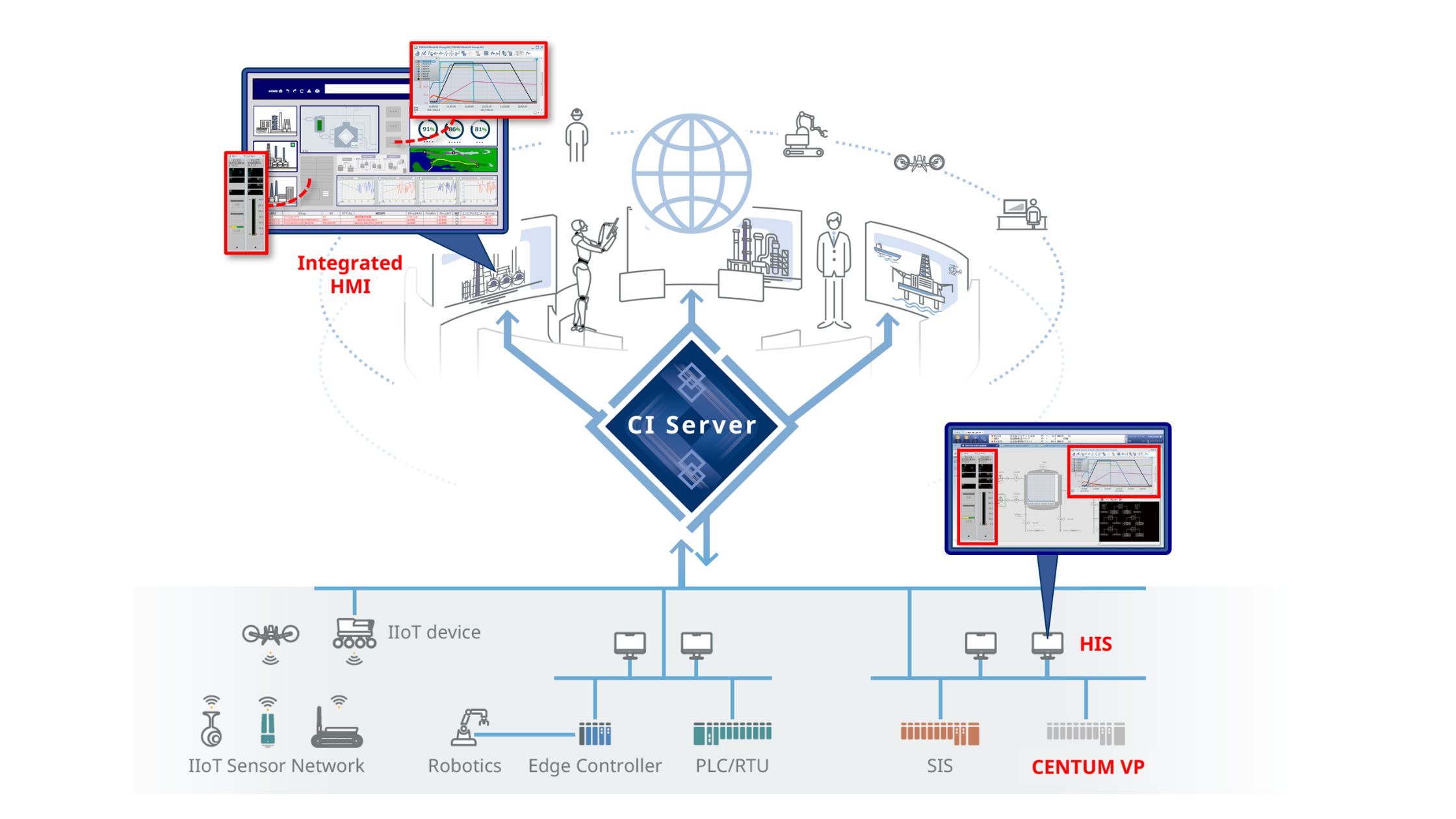
This update improves usability, multi-vendor integration, and security, facilitating a unified human-machine interface.
Why it matters: As European solar assets evolve into complex hybrid plants, industrial-grade SCADA is no longer a luxury—it’s a requirement for NIS2 compliance and operational survival.
If you’re still managing 50MW+ portfolios using the free monitoring apps provided by your inverter manufacturer, you’re playing a dangerous game. Yokogawa’s latest push with OpreX isn't just about oil refineries; it’s a direct response to the increasing complexity of the energy transition where solar, wind, and BESS must act as a single, coherent utility. We are leaving the era of 'solar monitoring' and entering the era of 'Industrial Automation.'
The End of Dashboard Fatigue
In the field, the biggest headache for O&M teams across the Netherlands and Germany is "dashboard fatigue." You likely have one portal for your Sungrow or SMA inverters, another for the Tesla Megapacks or BYD containers, and a legacy PLC system for the substation. Yokogawa is betting on the fact that as European projects scale, the cost of fragmented data—which can drain up to 3% of annual yield through delayed fault response—is no longer acceptable. Their focus on multi-vendor integration is an admission that the "closed ecosystem" model is a relic of the past.
The NIS2 Compliance Pressure Cooker
For any developer or asset owner operating in the EU, the NIS2 Directive is no longer a distant threat; it’s a roadmap for your IT requirements. If your monitoring system doesn't meet industrial-grade security standards, your project is a massive liability. By bringing pharmaceutical-level security to power management, Yokogawa is setting a bar that smaller, solar-only software startups will struggle to clear. This isn't just about seeing your yield on a phone; it's about hardened infrastructure that can withstand a state-sponsored cyberattack on the grid.
The signal here is clear: as we integrate Green Hydrogen and massive BESS into the mix, the 'plug-and-play' consumer-grade software approach is dead. If you're building utility-scale in 2026, you need to start talking to industrial automation experts who understand Modbus, OPC UA, and IEC 61850 as well as they understand PV curves.