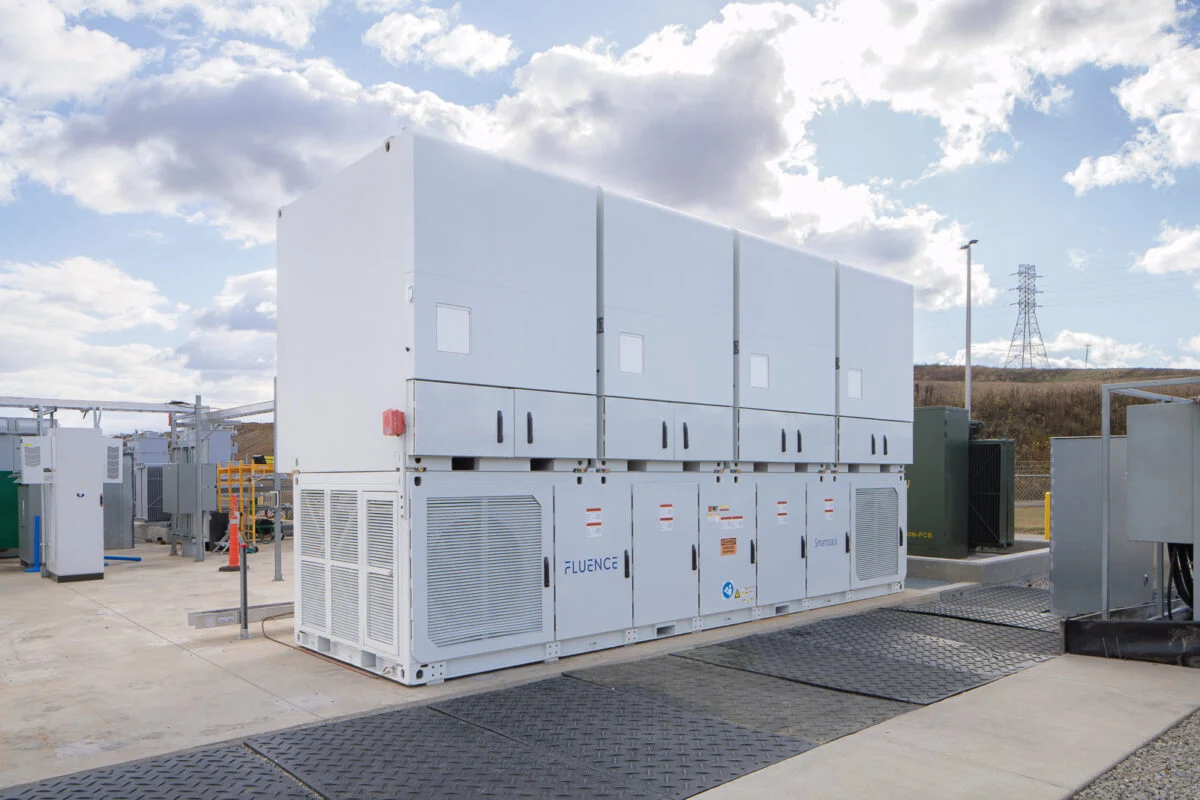
DNV has independently verified that Fluence's global fleet of battery energy storage systems (BESS) achieved 98.7% MW-weighted availability.
Why it matters: Bankability is shifting from 'will it explode?' to 'will it be online during the most profitable 15 minutes of the day?'
The End of the 'Wild West' Era in Storage
For years, BESS developers in Europe have been operating on a 'trust me' basis with hardware manufacturers. We’ve all seen the spreadsheets that project 99% uptime, only to find the reality on the ground involves faulty HVAC units, thermal management glitches, and BMS software that needs more reboots than a Windows 95 PC. Fluence getting DNV to verify a 98.7% availability figure across a global fleet isn't just a marketing win; it’s a shot across the bow for every tier-2 manufacturer trying to break into the EU market.
Why 1.3% Downtime Still Matters
To a residential installer, 98.7% sounds perfect. To a developer bidding into the UK’s Dynamic Containment or Germany’s FCR (Frequency Containment Reserve) markets, that 1.3% of downtime is where the risk lives. If your asset is offline during a frequency event or a price spike on the EPEX Spot, your ROI doesn't just dip—you face non-delivery penalties. In high-stakes markets like the Netherlands, where TenneT is tightening technical requirements, availability is the only metric that keeps the bank from hiking your interest rates. If you’re building a 10MW/20MWh project today, you need to be asking your supplier for third-party verified data, not just an internal PDF.
The MW-Weighted Trap
Notice the phrasing: MW-weighted availability. This is a clever industry standard that favors the big players. It means if a 100MW site stays up while ten 1MW sites go down, the average looks great. For the smaller C&I installer doing 500kWh to 2MWh projects, Fluence’s global average is a benchmark, but not a guarantee. The lesson? Integration is everything. Fluence's success comes from controlling the stack—from the Fluence OS down to the enclosure. If you are 'Frankensteining' a system with a separate inverter, rack, and EMS, don't expect DNV to come knocking with a 98% trophy. You’ll be lucky to hit 90% in year three once the warranty finger-pointing starts.